

ETF black logo ETF black logo ETF black logo ETF black logo

Google Translate

Dockers

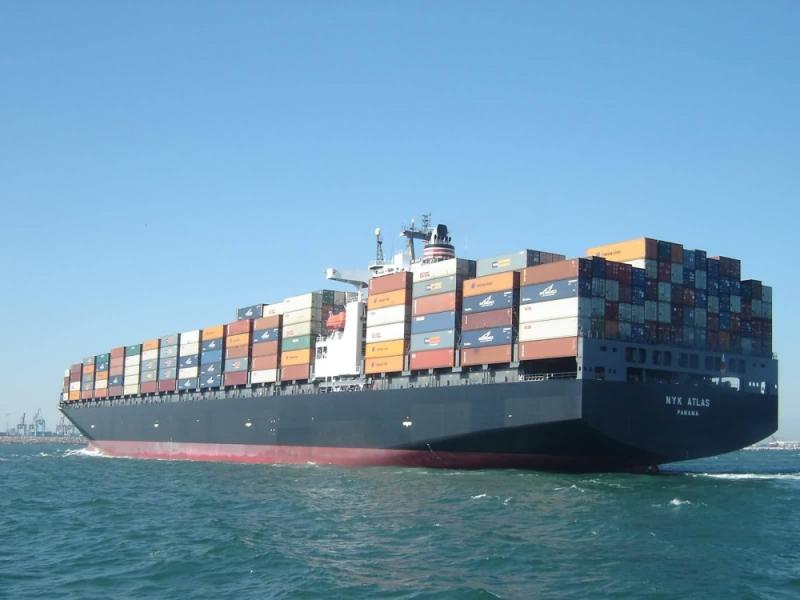
74% of goods that enter or leave Europe go by sea.

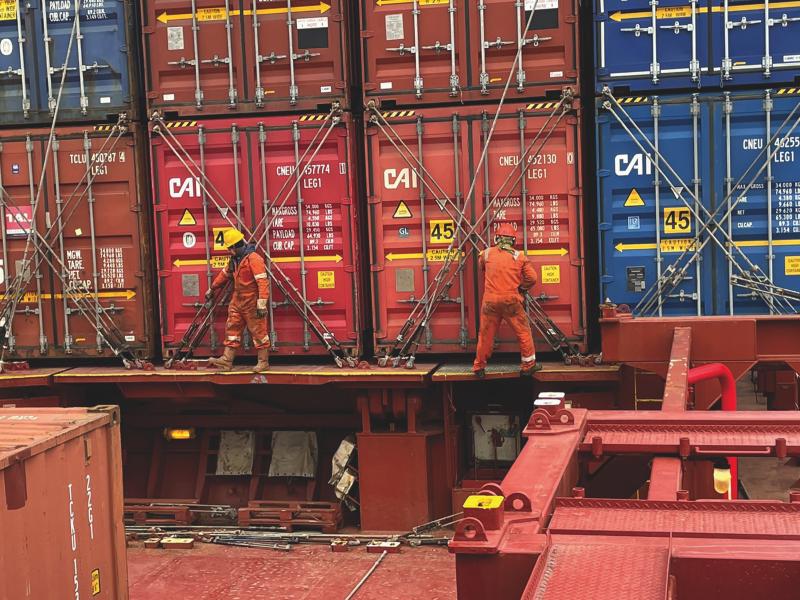
74% of Europe’s trade moves by sea, making ports essential to the continent’s economy and logistics chain. In coastal regions, ports are often major employers, supporting up to 250,000 dockers directly and around 3 million jobs in related sectors—driving prosperity for entire communities.

The ETF Dockers’ Section represents all categories of port workers, including dockers, white-collar staff in terminals and port authorities, maintenance crews, and others across port operations and logistics.


ON THE GROUND
The latest news on the issues affecting us all, and the actions we’re taking to improve our workers’ lives and futures.
News

ETF reaction to the Port Strategy and Maritime Industrial Strategy

The European Transport Workers’ Federation (ETF) welcomes today’s European Commission proposals for an EU Port Strategy and an EU Industrial Maritime Strategy, insisting that workers must be placed at the heart of both initiatives. ETF stands ready to engage constructively with the European Commission, industry stakeholders and social partners to ensure that the final Strategy delivers a just, sustainable and socially responsible maritime future for Europe.
News

Ole Philipsen

It is with deep sorrow that we announce the passing of Ole Philipsen, Chair of the ITF Offshore Task Force and a long-standing member of the ITF’s Fair Practices Committee.

PRIORITIES

We focus on three goals:

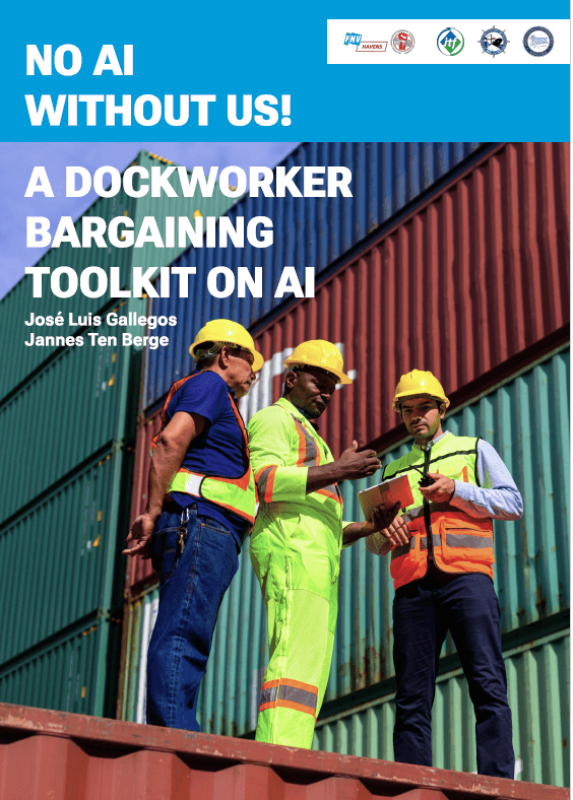
  • Shaping the future of port work as automation and digitalisation transform the industry.

  • Making policies and legislation fairer for port workers.

  • Strengthening our members through training, campaigns and solidarity.

As the voice of port workers in Brussels, the ETF Dockers’ Section defends workers’ interests in EU policymaking, coordinates international actions and disputes, and builds union capacity through research and training. We also take part in the EU Social Dialogue Committee for Ports, working with employers’ organisations to improve conditions across the sector.

We coordinate closely with the ITF Dockers’ Section to ensure European dockers are part of a strong, global movement.

Contact us

Email

WHAT WE DO

Shaping the Future of Port Work

The ETF Port Section leads policy and action on automation, campaigning for a socially sustainable approach to technological change. We equip our affiliates to respond to automation’s impact on jobs, union organising, and collective bargaining. 

We also advocate for fair labour organisation in ports—through research, protecting workers’ rights during operator changes, and pushing for policies that put people at the centre of technological developments. 

Improving health and safety remains central to our work. Through the Sectoral Social Dialogue Committee, we engage with employers to implement priorities that make Europe’s ports safer and fairer for workers.

WHERE WE FOCUS

Campaigning for Fair Shipping and Port Policies

Together with the ETF Maritime Transport Section, we push for fairer EU and national policies on ports and shipping—covering state aid, infrastructure financing, concessions, and the impacts of technological and market change on port labour.

Strengthening International Solidarity

Solidarity is at the heart of the dockers’ movement. The ETF Dockers Section mobilises affiliates to support each other in disputes and build a strong base for European campaigns. We also prioritise involving young workers and women, and foster company networks and regional cooperation in strategic areas.

SOCIAL DIALOGUE

Social dialogue brings together workers’ and employers’ organisations—known as social partners—for structured discussions and joint action. The ETF Dockers Section is a recognised social partner in the ports sector.

In 2013, ETF, IDC, FEPORT and ESPO, with European Commission support, created the Sectoral Social Dialogue Committee for Ports (SSDC). Through the SSDC, social partners work to improve dockers’ working and living conditions while strengthening the competitiveness of EU ports.

Priorities include health and safety, training, women’s participation in ports, and shaping the sector’s future in a changing shipping landscape. Social partners also run joint EU-funded projects to support this work.

Transport Connects Us
OUR PEOPLE

The ETF Dockers’ Section represents port and terminal workers all over Europe. Our affiliates democratically decide on the Section’s positions and activities. A representative Steering Committee takes the lead on strategic decisions, and the ETF Secretariat in Brussels provides political and practical support.

SECTION COMMITTEE

Terje Samuelsen

NTU
,
Norway
Section Chair

Marc Loridan

BTB-ABVV
,
Belgium
Section 1st Vice-Chair

Jose Jorge Garcia Faerna

FSC-CCOO
,
Spain
Section 2nd Vice-Chair

Monique Verbeeck

BTB-ABVV
,
Belgium
Women’s Representative

Nick Loridan

BTB-ABVV
,
Belgium
Young Workers' Representative

Mike Huges

Unite the Union
,
United Kingdom
Ordinary Member

Maurizio Colombai

FILT CGIL
,
Italy
Ordinary Member

Karsten Kristensen

3F
,
Denmark
Ordinary Member

Niek Stam

FNV Havens
,
Netherlands
Ordinary Member

Maya Schwiegershausen-Güth

ver.di
,
Germany
Ordinary Member
Explore Resources