Urban Public Transport
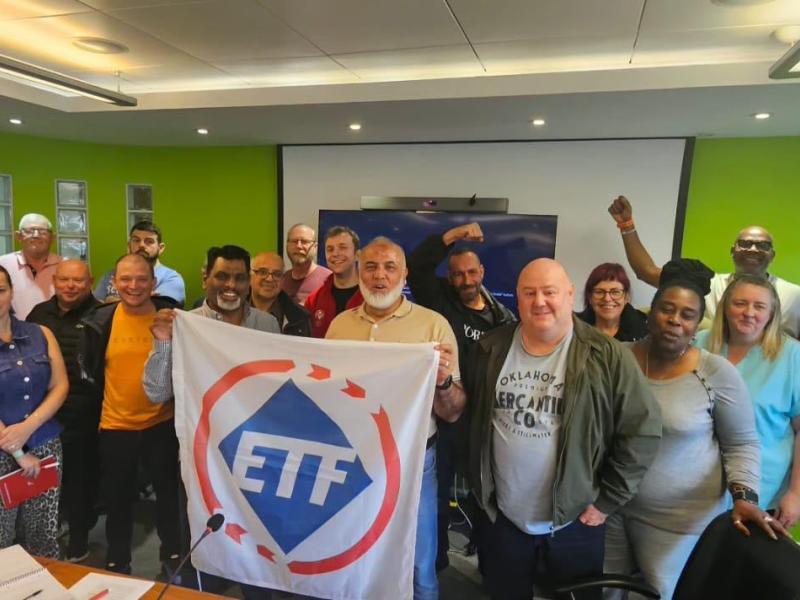
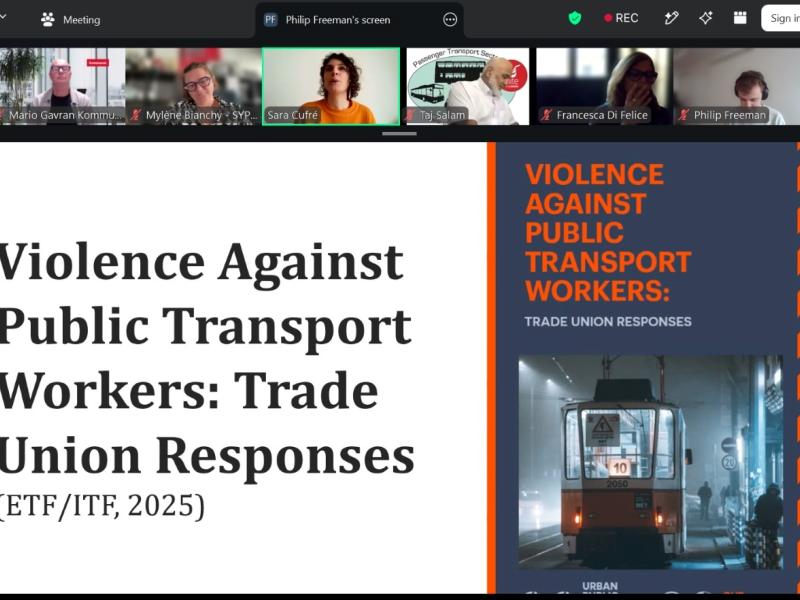
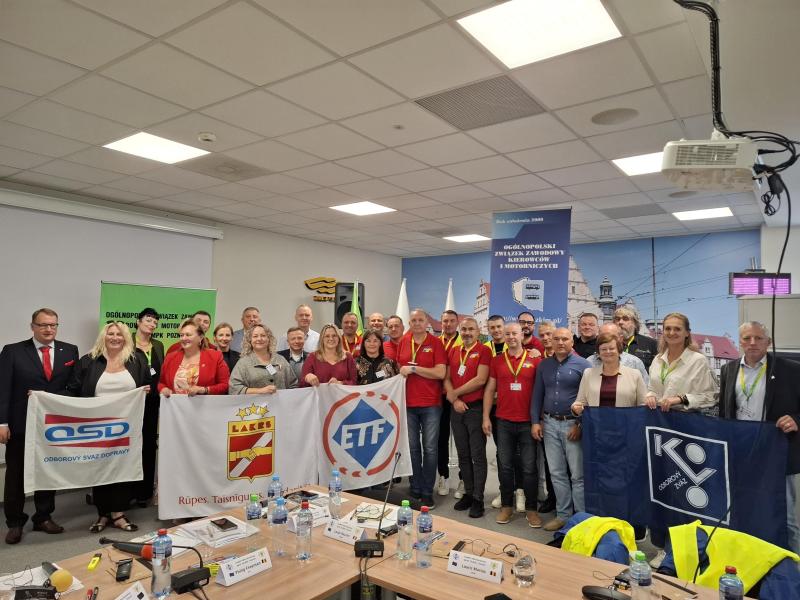
Public Transport: Third Regional Workshop gathered unions in Berlin (TU4BPT Project)
ETF, ITF and IRU call for stronger safety rules to protect bus drivers in frontal collisions
ISSUES
Workers in the sector face threats from liberalisation and privatisation programmes. Social dumping in public transport is facilitated by the growing competition created by tendering of public transport services, some of which is encouraged by EU rules. New forms of work such as Uber are also undermining quality employment in urban public transport.
ETF believes that mobility is a citizen’s right which must be guaranteed by access to inclusive and affordable public transport. Moreover, public transport is a solution for sustainable mobility, contributing to the fight against climate change, congestion and air/noise pollution in cities. UPT thus contributes to the health and wellbeing of European citizens.
Contact us
ETF’s Urban Public Transport Committee (UPTC) acts to defend the interests of public transport workers in Europe. We want to safeguard and improve their social rights in an evolving economic environment, which endangers both working conditions and the very existence of collective public transport. We work to promote public transport as a solution for sustainable mobility, reducing congestion and greenhouse gas emissions.
Our trade union vision for sustainable urban mobility means improved safety for both passengers and workers, and a coherent social strategy for the future of public transport in the era of decarbonization, digitalisation and automation.
For the ETF quality public transport services for citizens and good working conditions for public transport workers go hand in hand. One is not possible without the other.
The priorities of the ETF Urban Public Transport (UPT) Committee for the 2022 – 2027 period are:
- To campaign for a greening of urban mobility that has the UPT at its core;
- To promote an urban public transport that stays in public hands, centred on job safety and quality, democratic control, mobility equality;
- Build capacity to enable UPTC members influence policy making at national and European level
- Foster alliances with organisations and movements sharing same goals and objectives, to build power in fighting for a socially and environmentally sustainable urban mobility
European social dialogue in the urban public transport (UPT) sector was launched in 2001 as part of the Sectoral Social Dialogue Committee (SSDC) for Road Transport. On the employers’ side, ETF’s main social partner is the International Association of Public Transport (UITP).
Our Priorities for 2023–2024
- Putting urban public transport at the centre of the green transition.
- Ensuring EU funding is directed towards public transport.
- Making the UPT sector more attractive to workers and passengers alike.
The ETF Urban Public Transport Committee (UPTC) was established in 2000, as a joint project of the ETF Road Transport Section and the ETF Railway Section.
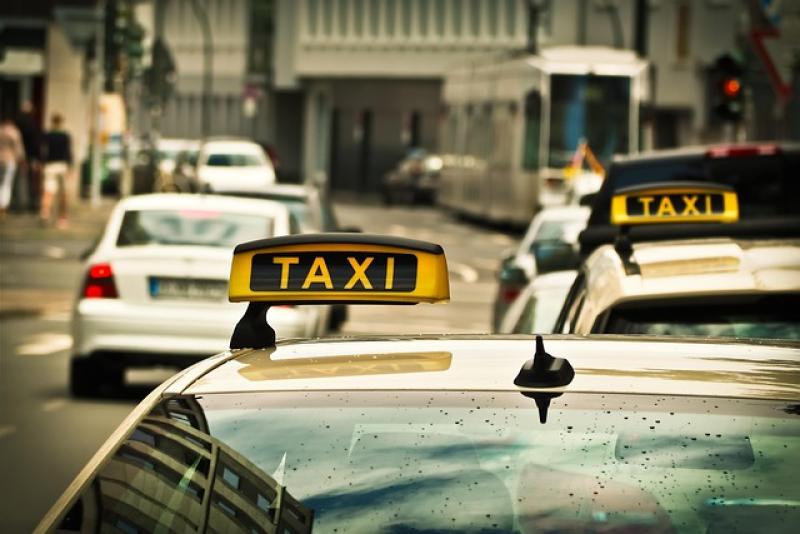
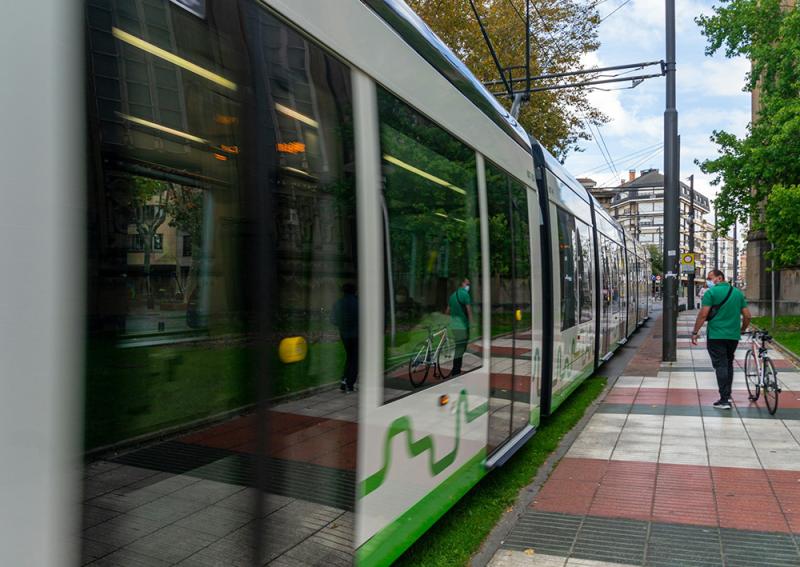
The UPTC brings together trade unions organising workers in public transport companies on both road and rail, whether in private or publicly-owned companies, in all public transport modes: bus, trolley bus, tram, metro, rail or taxis.
It meets once a year and is governed by the Chair and the Steering Committee whose members are elected every five years prior to the ETF Congress.