ETF black logo ETF black logo ETF black logo ETF black logo

Google Translate

Logistics

Standing up against exploitation in logistics and e-commerce.

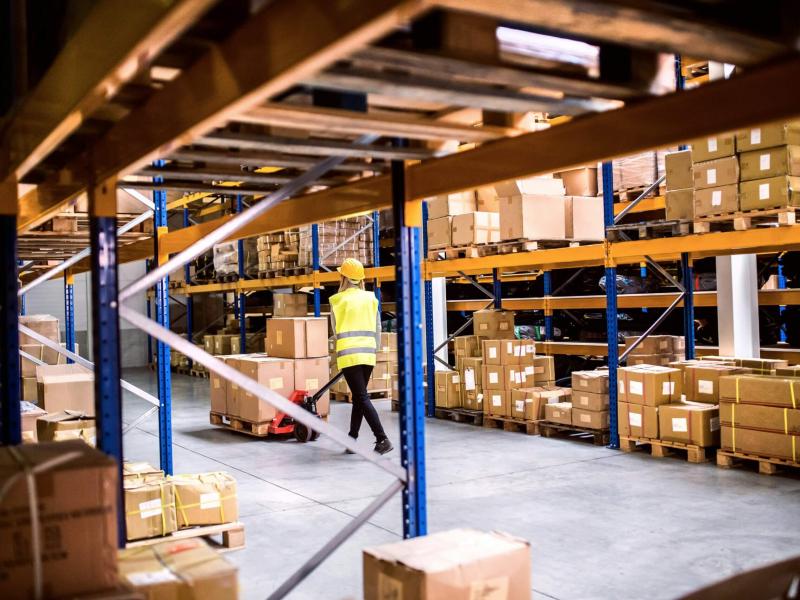
Unlike other transport sectors, logistics does not rely on a single vehicle type and never carries passengers. Instead, it manages the flow of goods across increasingly complex and international supply chains. Globalisation, outsourcing, and the relocation of production have transformed logistics into a fast-growing, cross-border industry where multinational companies dominate. Success is no longer about one mode of transport but about controlling the entire supply chain.

ON THE GROUND
The latest news on the issues affecting us all, and the actions we’re taking to improve our workers’ lives and futures.
News

Italy: New National Agreement between Amazon and transport unions builds on Landmark Organising Success

Amazon has signed the first nationally applicable company-level collective agreement in its history, covering all of its 57 sites in Italy. Concluded by ETF affiliates FILT‑CGIL, FIT‑CISL and UILTrasporti with Amazon Italia Transport and Amazon Italia Logistica, the agreement marks a historic moment for industrial relations between trade unions and the American logistics giant.
News

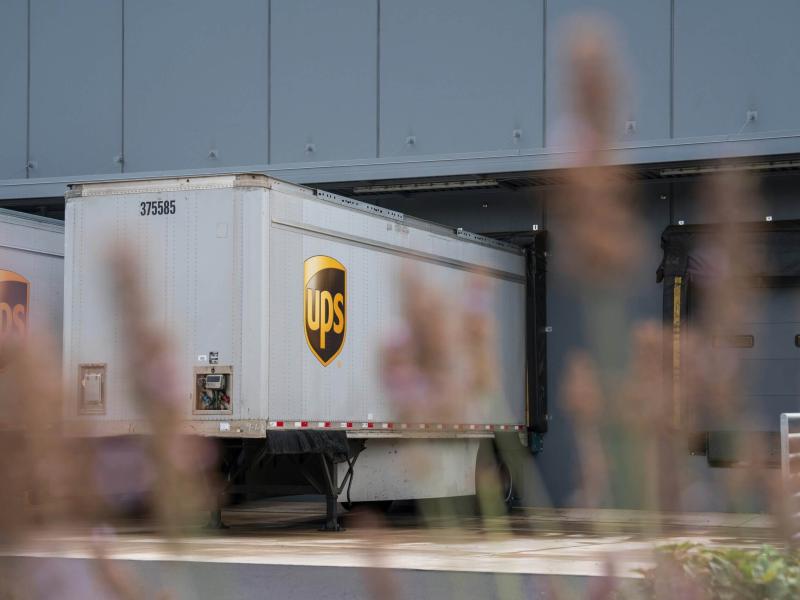
Regulating subcontracting is key to tackling undeclared work in parcel delivery, new study finds

The research reveals that major logistics companies, e-retailers, and postal operators routinely outsource delivery operations to networks of subcontractors, creating chains that obscure accountability and foster non-compliant labour practices. In some European countries, subcontracting has reached saturation: Germany outsources 50% of transport services, while in Poland the figure approaches 100%.

ISSUES

ETF and its unions across Europe are united in the #Fight4FairLogistics — standing up against exploitation in logistics and e-commerce.

While online shopping and logistics companies report record profits, workers face a very different reality. These sectors depend on multiple transport modes — none of which function without the people who keep them moving. Yet unfair business models are spreading, built on low pay, excessive hours, precarious contracts, bogus self-employment, and algorithmic surveillance.

As supply chains expand globally, so too does the race to the bottom in rights and conditions. Companies increasingly dodge social security obligations through webs of subcontracting and agency work. With digitalisation reshaping the economy, the ETF warns: this cannot become the new status quo for work in Europe.

Contact us

Email

WHAT WE DO
  • Run capacity-building programmes to strengthen unions and empower workers in logistics.
  • Coordinate international campaigns to raise labour standards at major multinational companies.
  • Work closely with affiliates and partners to ensure workers’ voices are heard in European and international decision-making.
WHERE WE FOCUS
  • Challenging poor conditions: Logistics remains a sector marked by low standards and exploitative practices, especially in multinational companies.
  • Building union power: We focus on supporting unions in countries supplying workers to the global logistics sector, helping them respond to international challenges.
  • Influencing policy: With European markets shaped by global trade agreements and initiatives beyond the EU, we prioritise a strong international trade union network to defend workers and promote a social Europe.
Transport connects us
Explore Resources