

The European Transport Workers' Federation (ETF) has submitted its response to the European Commission's call for evidence on a future EU directive on training and certification standards for fishers. The ETF strongly supports the full transposition of the revised International Maritime Organization (IMO) STCW-F Convention into EU law and calls for ambitious legislation that covers all fishers working on EU fishing vessels.
A long-overdue harmonisation of training standards
According to the European Commission's 2025 baseline study, training and certification requirements for fishers vary significantly across the European Union. While some Member States have developed comprehensive systems, others have limited requirements or lack formal safety training altogether. The ETF believes this situation is unacceptable in a sector that remains among the most hazardous professions in Europe.
These regulatory disparities create an uneven playing field, undermine worker protection, and contribute to reduce attractiveness of fisheries jobs. A common EU framework would establish minimum safety standards and help ensure that all fishers receive the training needed to work safely at sea.
No fisher should be left behind
Any future directive must apply to all fishers, regardless of the size of the vessel on which they work or their employment status. The ETF stresses that basic safety training is essential for everyone working at sea, including those employed in small-scale and coastal fisheries.
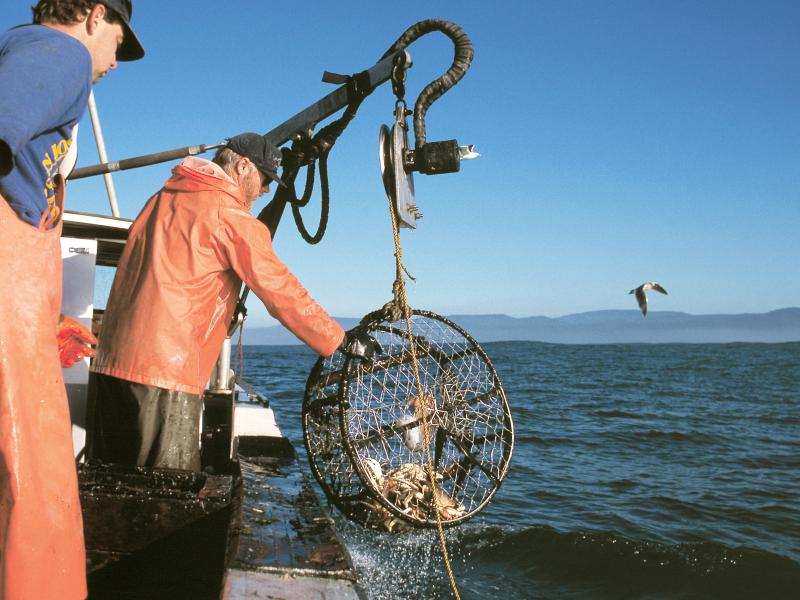
Small-scale vessels represent the vast majority of the EU fleet and frequently face significant occupational safety risks. For the ETF, safety at sea cannot depend on vessel length, fishing area, or whether a worker is employed or self-employed. Every fisher deserves access to fundamental training in areas such as personal survival techniques and elementary first aid.
Ending the second-class status of fishers
The ETF highlights that fishers are exposed to many of the same dangers as merchant seafarers, including fires, severe weather conditions, equipment-related accidents and man-overboard situations. Yet while merchant seafarers benefit from an EU framework implementing international training standards, fishers still lack equivalent protection. Policymakers should ensure that fishers receive the same level of professional recognition, occupational protection and access to internationally recognised qualifications as other maritime workers.
Building on existing systems
Implementing the revised STCW-F Convention would not require Member States to create entirely new administrative structures. Most countries already operate training, certification and quality assurance systems under the existing STCW framework for merchant shipping. By integrating fisheries-specific modules into these established systems, Member States can improve safety standards efficiently and cost-effectively while ensuring consistency across Europe. The argument of administrative burden in case of STCW-F is unacceptable.
Supporting mobility and attracting new entrants
The ETF also stresses the importance of mutual recognition of qualifications. Today fishers face obstacles when seeking employment in another Member State because certificates are not automatically recognised. A common European framework would facilitate mobility, reduce administrative barriers and help address labour shortages affecting many fishing communities.
At a time when the sector struggles to attract young workers, recognised qualifications and structured training pathways can also improve the image of fisheries as a skilled and professional maritime career. Modernising training standards is an important step towards strengthening the sector's attractiveness and creating clearer career prospects for future generations of fishers.
Investing in a sustainable future
The revised STCW-F Convention also includes training related to environmental protection, pollution prevention and responsible vessel operations. The ETF welcomes this approach, recognising that professional competence and environmental responsibility must go hand in hand in the transition towards sustainable fisheries.
ETF calls for an ambitious directive
European fisheries trade unions urge the European Commission to present a strong legislative proposal that fully transposes the revised STCW-F Convention into EU law. The future directive should apply equally to all fishers working on EU vessels, including EU and third-country nationals, workers on large and small-scale vessels, and both employed and self-employed fishers. For the ETF, establishing robust and harmonised training standards is essential to improve safety, strengthen labour mobility, enhance professional recognition and help secure the future of the European fisheries sector.