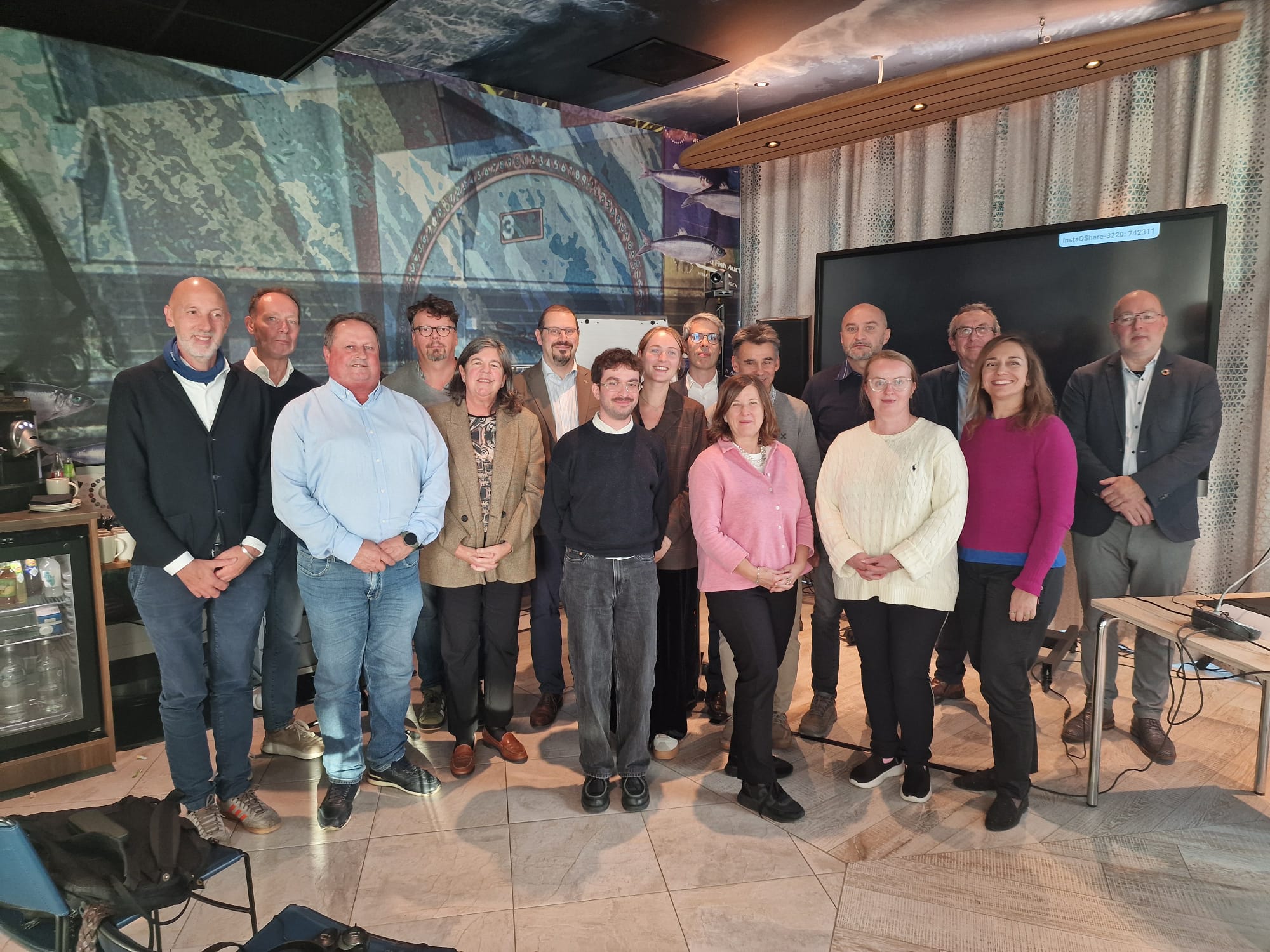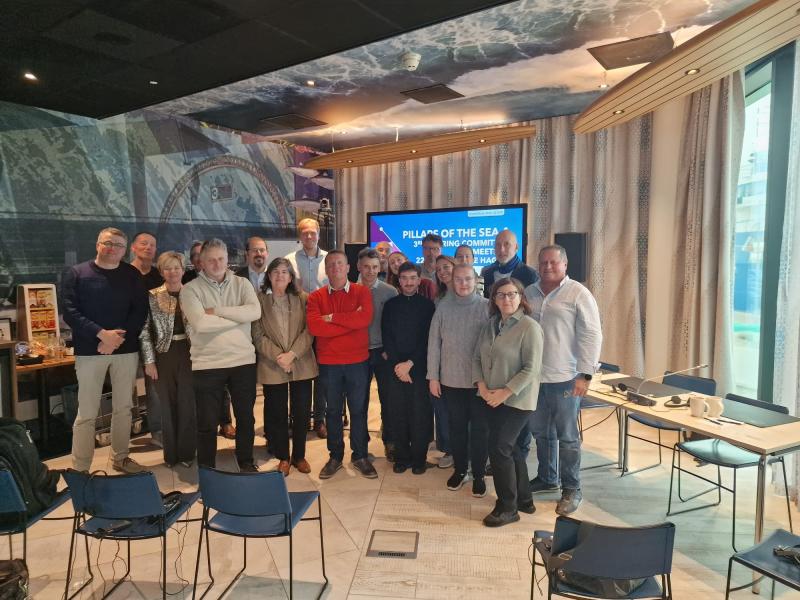


On 22-23 October, the European social partners for sea fisheries met in The Hague to continue their joint work under the EU-funded Pillars of the Sea 4 project. Bringing together representatives of workers and employers, the meeting marked another important step in the common effort to strengthen the social sustainability of the fishing sector across Europe.
During the two-day meeting, the social partners reviewed progress across the project's three main workstreams:
- Development of Occupational Health and Safety (OHS) Guidelines to support the implementation of ILO Convention C188 and improve safety and wellbeing at sea.
- Research on the attractiveness of the fisheries sector, with a particular focus on the barriers that prevent young people from choosing a career in fishing.
- Drafting of a legal proposal on the control and implementation of Council Directive (EU) 2017/159 and the enforcement of the standards established by ILO Convention C188.
A dedicated session was also organised to examine the current state of the sector in the Netherlands and Belgium and discuss practical solutions to attract a new generation of fishers. Participants exchanged experiences and perspectives on the challenges facing fishing communities, from demographic decline to skills shortages.
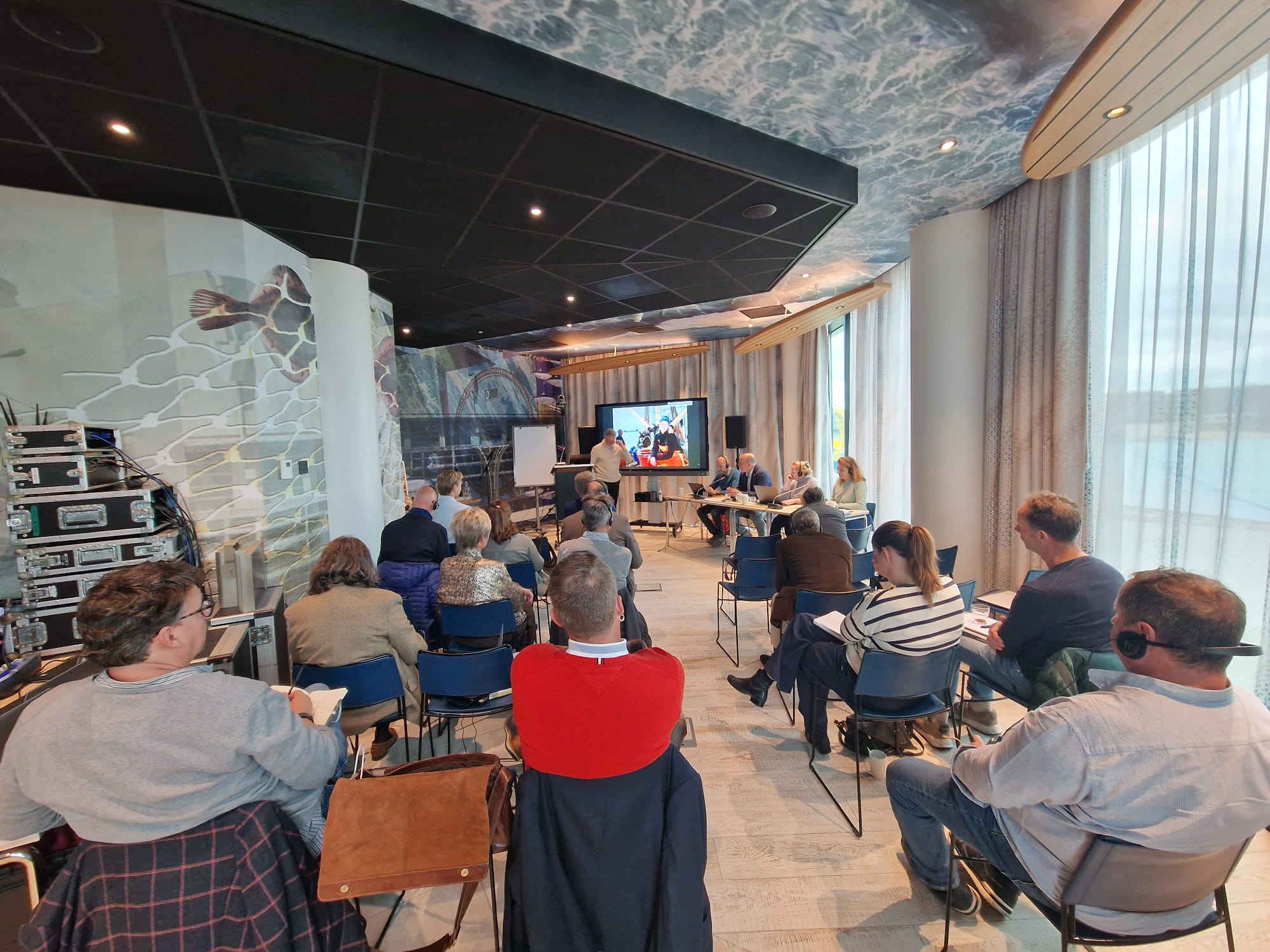
The discussions highlighted several priorities for future action. Participants stressed the need to provide fishers with clearer short and long-term career prospects, improve work-life balance, strengthen training and education opportunities, and continue efforts to upgrade working and living conditions on board across the sector. These elements are essential not only for retaining experienced workers but also for making fisheries a more attractive career choice for young people.
Ensuring safe workplaces, decent working conditions and effective implementation of international and European labour standards remains central to building a sustainable future for fisheries.
Work under the Pillars of the Sea 4 project will continue throughout 2027, with further meetings planned in Spain and France. The outcomes of these discussions will contribute to the development of practical tools, recommendations and policy proposals aimed at strengthening the social dimension of the European fisheries sector.