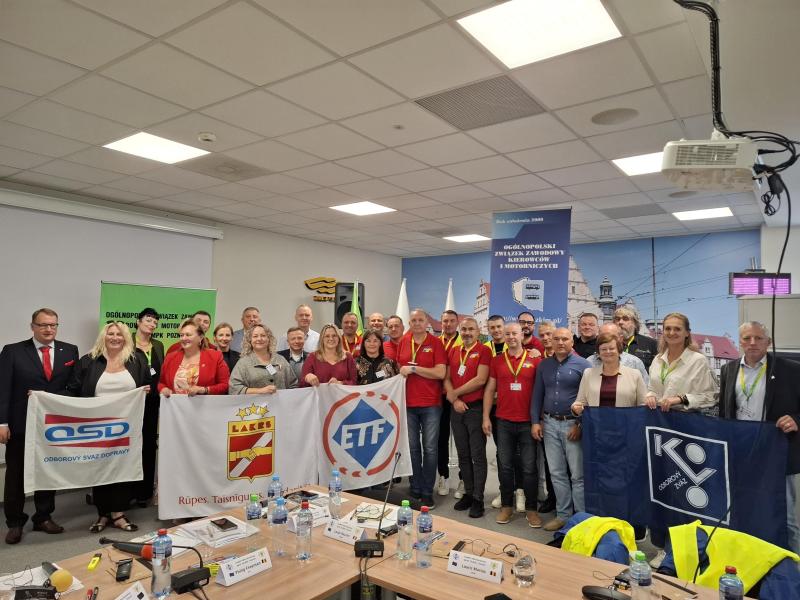
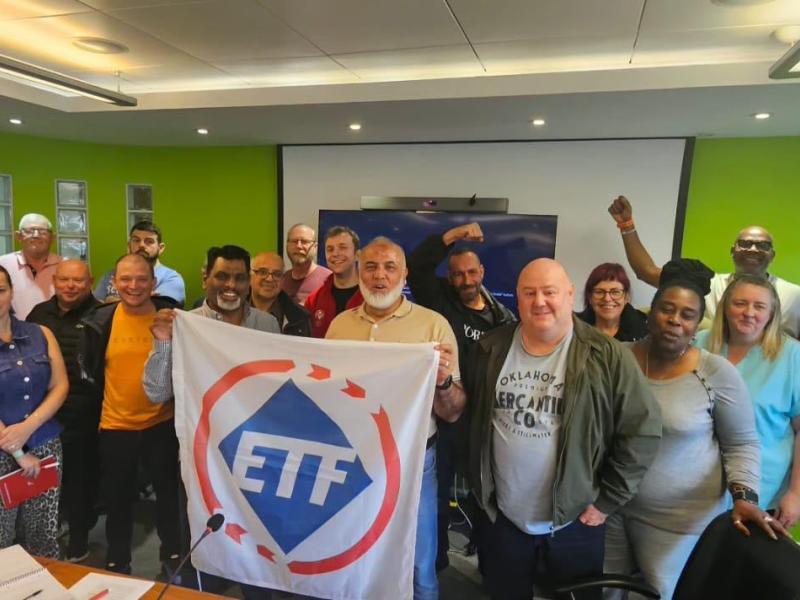
Following the call for action by the European Transport Workers’ Federation (ETF), railway workers across Europe mobilised on the 9th of October against further liberalisation and fragmentation in the sector, as proposed by the European Commission with the 4th Railway Package.
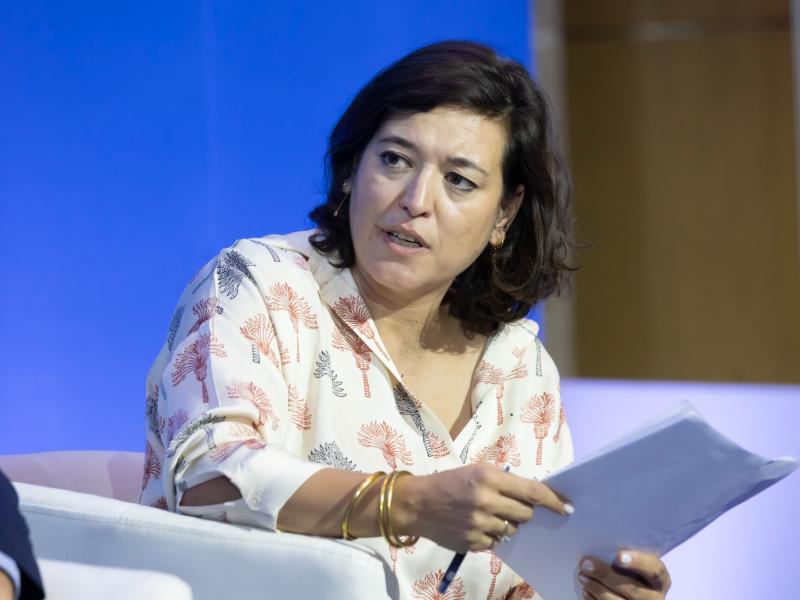
Railway unions affiliated to the ETF organised a series of national actions. “In order to raise awareness of the consequences for passengers, unionists distributed leaflets in front of railway stations and organised meetings with policy makers on national and European level” explained ETF Deputy General Secretary Sabine Trier.
Pictures of the actions put in place by the ETF affiliates are available at the following link: http://www.flickr.com/photos/31708167@N08/sets/72157636387269706/
The ETF and its members want their voice to be heard and not ignored
Even if the reality of the railways partially differs from country to country, the European railway workers showed on the 9th of October that they share the same concerns with regard to the plans of the European Commission. “European railway workers are united in rejecting a railway model that doesn’t consider rail services as public services but rather as an opportunity to make profit for private companies and disregards the social dimension in the sector” said Sabine Trier.
“The members of the European Parliament need to take the social dimension into account when discussing the reports on the 4th Railway Package in the TRAN Committee meeting on the 14th of October and when the vote in the Committee will take place on 26 November. The ETF will certainly take further action in case the EP disregards the workers’ voice” she added.
Do not downgrade social standards for the sake of liberalisation!
The ETF calls the European policy makers to reject any reform that will downgrade the social standards of the railway sector. “It is precisely on the wages and working conditions that the competition between the operators will be mainly played” said Sabine Trier. “And that is unacceptable in a sector like the railways where the quality of services provided is primarily linked with professional, highly-trained workers and quality jobs” she stated.