Related content

News
Logistics Workers Exploited While Corporations Profit: ETF and ETUI Report Sparks Urgent Call for EU Action
The report documents how complex subcontracting chains are being used across the EU to shift responsibility, reduce wages, and suppress workers’ rights - particularly affecting migrant and third-country national workers. Union representatives stressed that this is not a loophole, but a deliberate and growing business model that traps workers in precarious and unsafe conditions.

News
Interview: How TÜMTİS Secured a Landmark Victory for DHL Express Workers in Turkey
The turkish ETF affiliate TÜMTİS secured a landmark collective bargaining agreement at DHL Express Turkey, overcoming employer resistance and setting a powerful precedent for union rights. In this interview, TÜMTİS President Kenan Ozturk shares insights on the fight for fair wages, the battle against union-busting tactics, and the union’s vision for organising in the logistics sector.
News
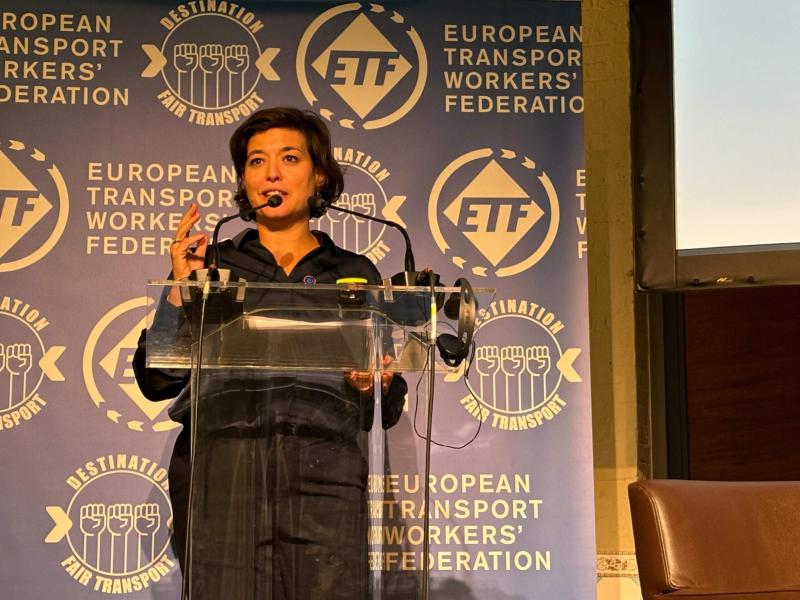
ETF Logistics Conference 2024: Confronting Exploitation in Europe’s Logistics Sector
Discussions highlighted the rising prevalence of subcontracting, increasing workplace surveillance, and the urgent need for legislative change to protect vulnerable workers across Europe.
Connected
news

Press release
Europêche, ETF, EFFAT and Copa-Cogeca call for an urgent revision of the Common Fisheries Policy
The four organisations urge the European Commission to include concrete legislative action in its Vision for Fisheries and Aquaculture 2040 and its 2027 Work Programme
resources