



On 5 July 2016 ETF/ITF affiliates FNV Havens and CNV Vakmensen concluded an agreement with the Rotterdam Port Authority and the container terminals over job security in the port’s container sector.
The negotiations, that lasted for more than a year, had been initiated further to the wakeup call from the unions on the need to prevent the imminent loss of jobs in Rotterdam’s container terminal, due to increasing automation and overcapacity.
FNV Havens’s Niek Stam said “We still regret the way port expansion was dealt with, denying dialogue with the unions over the impact that additional capacity and automation would have on workers. However, we are proud to have been able to reach this agreement. We had to fight hard. Negotiations were lengthy and complicated but in the end we managed to reach a compromise on the most important concerns for the workers”.
The agreement ensures that port workers with a permanent employment contract on 1 January 2015 are guaranteed job security until June 2020. Pre-retirement schemes have been agreed upon, so that older workers will work with reduced working time, while younger colleagues will have job guarantee. Mechanisms to ease the exchange of workers amongst the terminals will also be implemented.
Satisfaction was expressed by the unions also for the fact that the agreement includes measures to prevent the dismissal of the workers of Rotterdam Port Services (RPS), a labour pool employing 121 dockers.
During the negotiations talks were also held on the need to align lashing requirements to those of the neighbouring countries and make sure that all lashing is done by dockers, also on small ships.
“We aimed for negotiating solutions for the whole container sector, not just for one company. Notwithstanding the attempts to jeopardise a sectoral agreement and divide workers, we have managed to find solutions applicable to the whole sector,” Niek Stam added.
“This is a major step forward. The ongoing developments in maritime transport have crucial implications for the sector. We need to act smartly to make sure that terminals and workers do not pay the price for those developments. As unions we have put forward several proposals; hopefully we will see more of these kind of agreements in the future” he concluded
Agreement on job security reached at Port of Rotterdam
News
ON THE GROUND
News
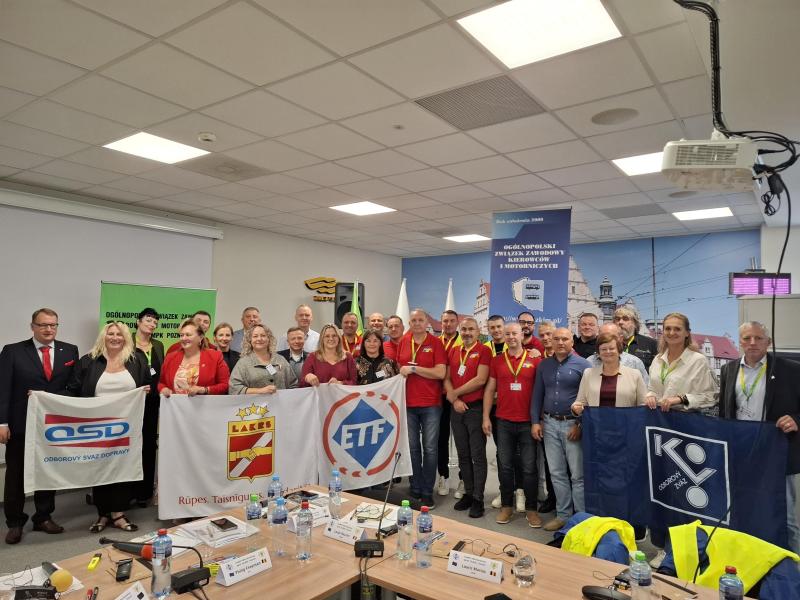
Final Regional Workshop of TU4BPT Project
On October 6th and 7th public transport unions from across Central and Eastern Europe met in Poznan for the final regional workshop of the Trade Unions for Better Public Transport project (TU4BPT). Hosted by Polish affiliate OZZKiM, the workshop delivered the final round of training for trade union representatives regarding the Twin Transition in public transport.
News
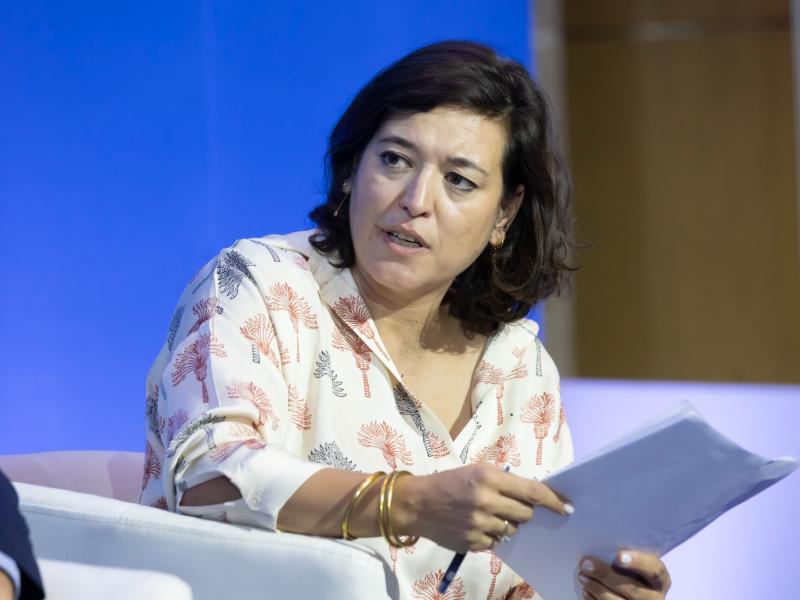
20 years of the Maritime Labour Convention: progress for seafarers, but the job is far from done
On 18 September, the Panhellenic Seamen’s Federation (PNO) and the Federation of Transport, Petroleum and Agriculture Workers (OMEPEGE/FTPAW-SEK) brought trade unions, governments, international institutions and shipowners together in Athens to take stock of two decades of the Maritime Labour Convention (MLC) – and, more importantly, to discuss what still needs to change.
News
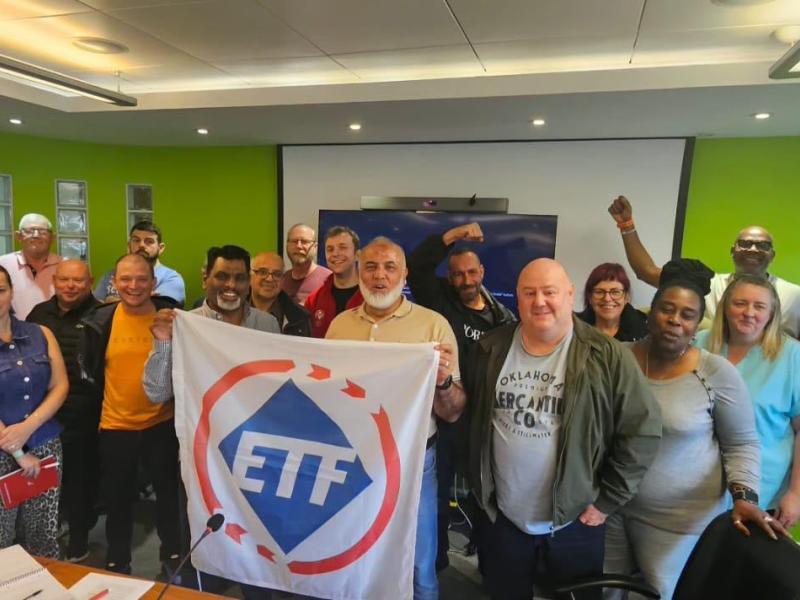
Workshops on Autonomous Vehicles in Public Transport Continue
The Urban Public Transport Committee’s project on autonomous vehicles in public transport continued last week, with workshops taking place in Slovakia, hosted by OZ KOVO, and the UK, hosted by Unite the Union. Both workshops brought together union reps from across the respective countries to discuss and strategise on the topic of autonomous vehicles.