

ETF black logo ETF black logo ETF black logo ETF black logo

Google Translate

Capacity Building for Trade Union Officers in New Member States and Candidate Countries

News

Since European transport sectors are mainly regulated at EU level, the ETF is convinced it has to play an active role to building up the capacity of national affiliates to engage in genuine industrial relations and policy making. The project called “Training to improve capacity building for Trade union officers of New Member States and candidate countries”, which ran from September 2009 to September 2010, addressed trade unions representatives from new EU member states and candidate countries.

Training events were organised in Vilnius, Ljubljana and Istanbul. The participants received training in organising and negotiating skills. In the framework of this EU-funded project two training brochures were published and given to the participants on organising and negotiation skills.

ON THE GROUND

News

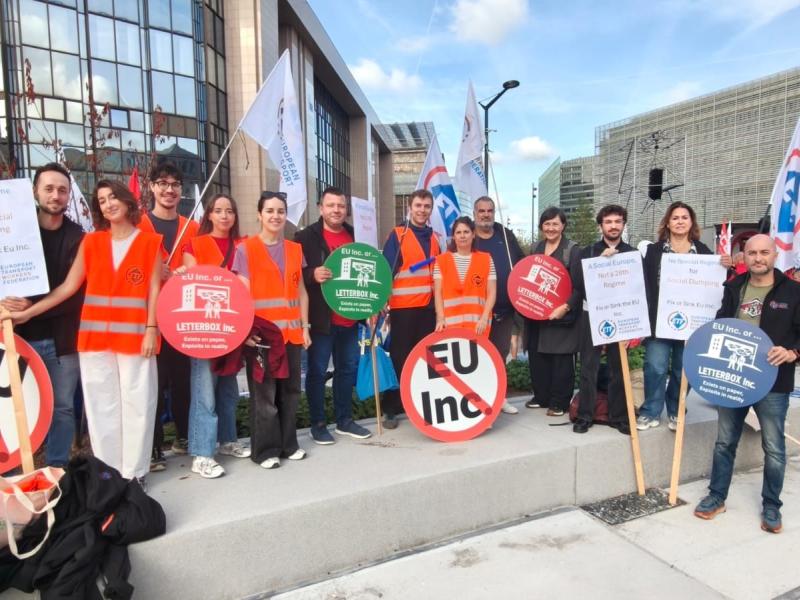
EU Inc – A new 28th regime for social dumping?

As negotiations continue in the European Parliament on EU Inc., the proposed new European company regime, the European Transport Workers' Federation (ETF) is heavily concerned that this proposal could come at the expense of workers' rights and social dialogue. The initiative aims to make it easier for companies to operate across borders, but this must not weaken the social protections that are fundamental to the European model.
News

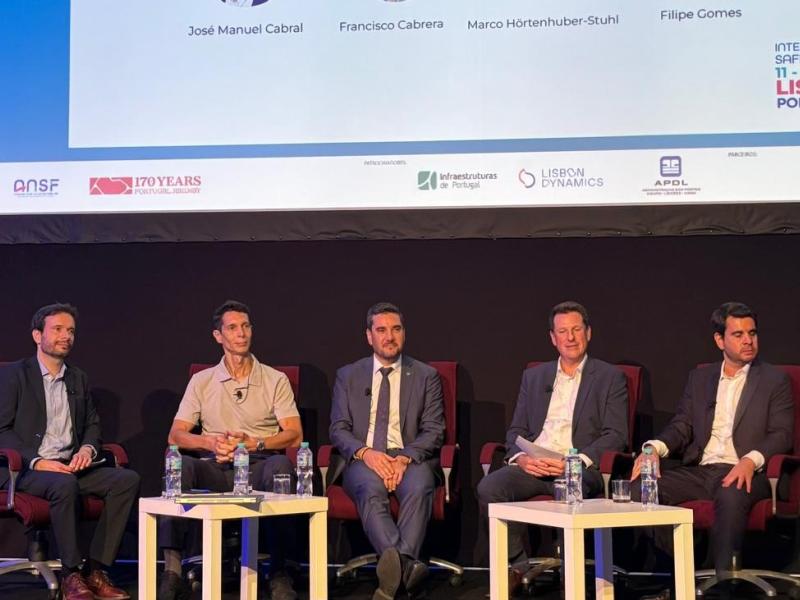
IRSC 2026: ETF Calls for Working Time Monitoring as a Railway Safety Tool

At the International Railway Safety Conference (IRSC) 2026 in Lisbon, ETF Technical Coordinator and locomotive driver Marco Hörtenhuber-Stuhl presented the European Transport Workers' Federation's vision for monitoring working, driving and rest time as a core railway safety tool. His presentation,"Monitoring Working Time as a Railway Safety Tool: From Compliance to Proactive Risk Management", argued that effective monitoring is not merely an administrative or labour-law requirement, but an essential component of modern railway safety management.