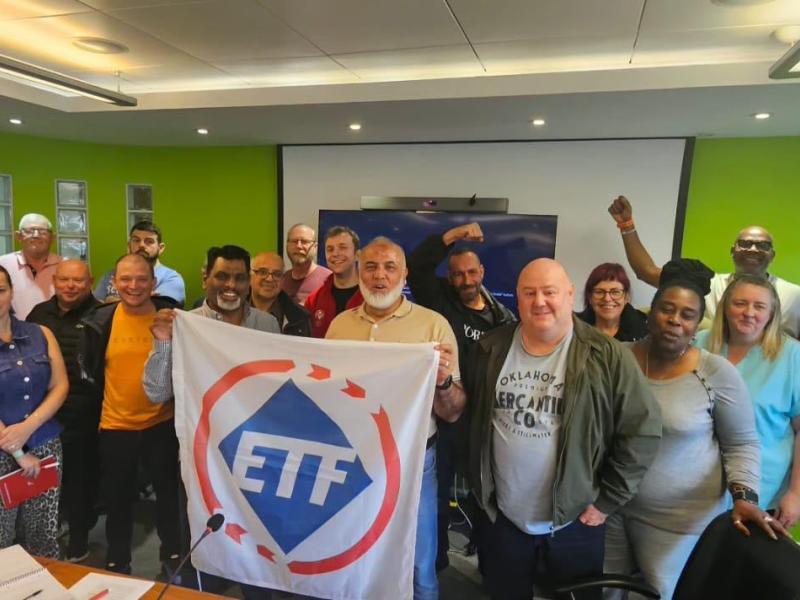
Today, 21 February, the next set of measures under the Mobility Package enter into force – new rules on cabotage and the ‘return of the vehicle/access to occupation’ rule.
The ETF fought hard to have these rules because, if correctly enforced and implemented, they will contribute to better conditions for drivers and help fix some of the unfair practices in the industry.
ETF General Secretary Livia Spera and ETF Road Section Chair, Roberto Parrillo welcome new rules:
https://twitter.com/ETF_Road/status/1495700333623980035
A quick recap of the rules:
- Return of the vehicle/Access to Occupation: It’s now mandatory for operators to return their fleet to the country of registration once every two months
- Cabotage Rules: New cabotage rules limit the number of cabotage operations with a mandatory cooling-off period of four days between legally allowed cabotage operations. Cabotage is the transport of goods between two places in the same country by a transport operator registered in another country.
Against the backdrop of strained supply chains and a driver shortage, the Mobility Package, taken together as a whole, will make a huge impact towards improving working conditions, and fair competition in the sector.
Now we celebrate and welcome the new rules – enjoying this trade union victory for the benefit of drivers. We look ahead to continuing the fight for #FairTransport for drivers.
As a next step, we will continue to monitor the enforcement of the package: the Mobility Package will help build a better road transport sector – but that is only if the rules are properly enforced!