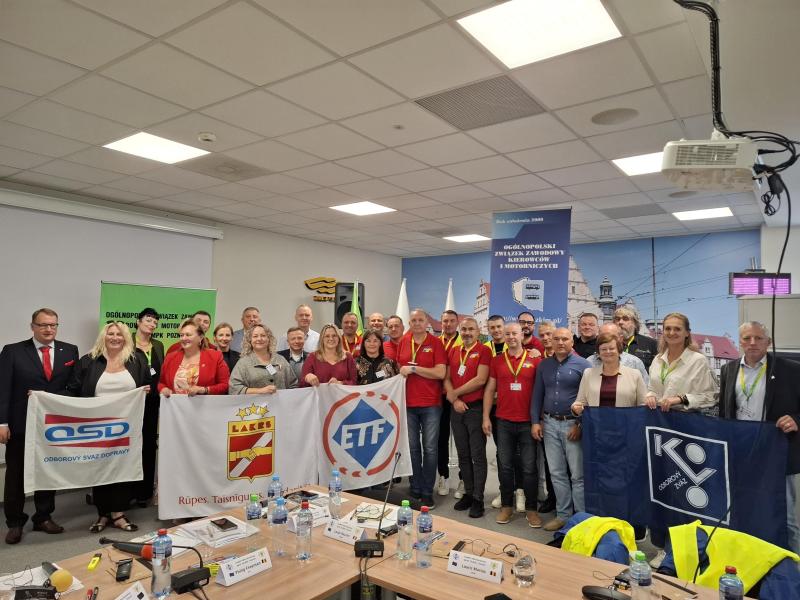


ETF stood in solidarity with women workers from Switzerland protesting this week for gender equality. On June 14th, the streets of Switzerland pulsed with the energy of women rallying for equality. Under the slogan, “Salary-Time-Respect. Equality now!” women from across the country took to the streets, demanding fundamental societal and workplace changes.
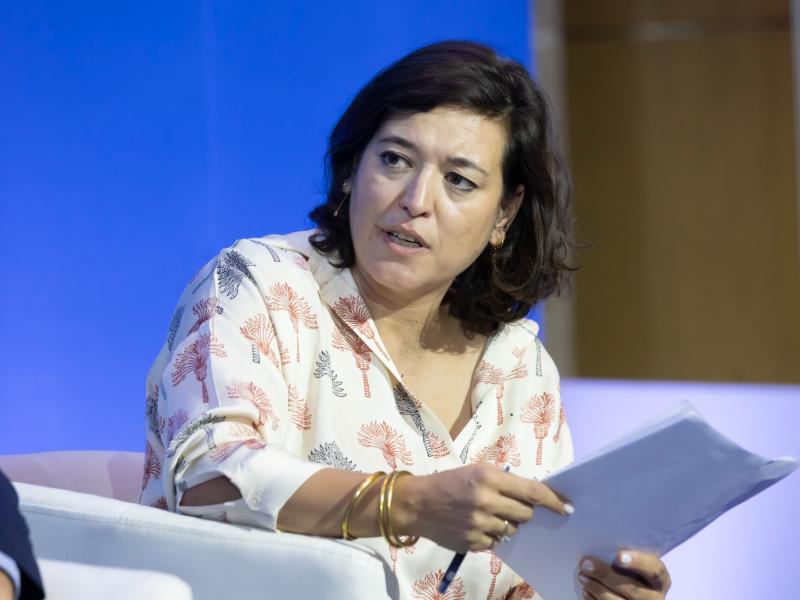
Sara Tripodi, Chair of the ETF Women’s Committee, Sabine Trier, ETF Deputy General Secretary, Jolanta Skalska, Women’s Representative of the ETF Railway Section, and female union representatives from EVG and Vida all lent their support to the movement. They united alongside the SEV block in the demonstration, which Lucie Waser spearheaded from SEV.
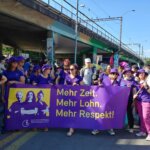
June 14th is not a randomly chosen date. It carries historical significance for women’s rights in Switzerland. On this day in 1981, the Swiss Parliament enshrined the principle of equality between women and men in the Swiss Constitution. However, a decade later, it was evident that constitutional rights did not necessarily lead to practical changes, and the first Feminist Strike was called in 1991. Despite constitutional amendments, little had transformed everyday life to assure genuine equality.
The call for this Feminist Strike was not an isolated voice but the collective shout of a broad alliance of Swiss trade unions, including ETF members SEV and UNIA, along with the feminist social movement of Switzerland. In one voice, they demanded substantial and tangible changes to promote gender equality in all aspects of life.




SEV presented a robust set of demands that encapsulated the spirit of the strike. First, they insisted on ensuring equal pay for work of equal value across all Swiss public transport companies. They proposed compulsory checks every three years (SALARY) to make this a reality.
They also demanded better accommodations for the conciliation of work and personal life. Despite the constraints of shift work, they stressed the need for creative and flexible solutions (TIME). A respectful and friendly work environment was underscored as a non-negotiable aspect of this struggle for equality.
Lastly, SEV demanded an end to verbal sexualized violence. They called for a system that holds perpetrators accountable and imposes appropriate sanctions (RESPECT).
This demonstration is not just a day’s event; it represents an ongoing struggle and a powerful message to the world. The Feminist Strike in Switzerland highlights the need for practical measures and continual efforts to make equality a reality. It’s a stark reminder that despite constitutional guarantees, societal change requires active pursuit and persistent actions.