



| European Railway Sector shows progress in gender equality as Social Partners present the Women in Rail Report 2025 |
| ETF and CER unveil comprehensive data showing increased women’s employment rate and widespread adoption of gender equality measures across European railways
The European Transport Workers’ Federation (ETF) and the Community of European Railway and Infrastructure Companies (CER), today presented the Women in Rail (WIR) Report 2025 at their final conference in Brussels, revealing progress in promoting gender equality across the European railway sector. The report, which assessed the implementation of the 2021 binding European Social Partner Agreement on Women in Rail, shows that women now represent 23% of the railway workforce, up from 21% in 2018. Among new hires, the proportion of women has reached 25%, signalling positive momentum for the future of the sector. The comprehensive study, conducted between January and May 2025, gathered data from 29 European rail companies representing nearly 700,000 employees. Additionally, 21 trade unions participated in the assessment, providing critical insight into the implementation of gender equality measures. Key findings from the report include:
Livia Spera, General Secretary of ETF, said: “The Women in Rail (WIR) Report 2025 demonstrates that our joint efforts are bearing fruit. While we celebrate the progress made, with women now representing nearly a quarter of the railway workforce, we recognise there is still work to be done to achieve full implementation of our agreement. The strong participation of both companies and trade unions in this assessment shows the sector’s commitment to creating an inclusive workplace where all employees can thrive.” Alberto Mazzola, Executive Director of CER, said: “The Women in Rail (WIR) Report 2025 confirms that social dialogue is not just a box-ticking exercise, but a genuine tool that can deliver concrete and measurable results. When employers and trade unions work together, cooperation can drive meaningful change on fundamental issues for the future of our sector. By strengthening women’s role in rail, we are also strengthening the sector itself.” The report assessed progress across eight key policy areas: overall gender equality, gender-balanced representation, recruitment, reconciliation of work and private life, career development, equal pay and gender pay gap, occupational health and safety at work, and preventing sexual harassment and sexism. While progress varies across occupational categories, with some technical roles still showing low female representation (5% among locomotive drivers and rolling stock maintenance), the upward trend in new hires suggests these imbalances are gradually being addressed. In her foreword to the report, Roxana Mînzatu, European Commission Executive Vice-President for Social Rights and Skills, Quality Jobs and Preparedness, notes that the launch of the Women in Rail Report marks an important milestone for the European railway sector and for European social dialogue. Roxana Mînzatu also emphasised that the European Commission will continue to support these efforts, as “promoting women in rail is about making full use of Europe’s talent, reflecting the diversity of our citizens, and ensuring that the railway sector is equipped to meet the challenges of the future”. The conference, held at the Thon Hotel EU with support from the European Union, brought together representatives from railway companies, trade unionists, and policymakers, including speakers from the European Commission, to discuss strategies for continuing this positive trajectory. The full Women in Rail Report 2025 is available here. |
European Railway Sector shows progress in gender equality as Social Partners present the Women in Rail Report 2025
Press release
ON THE GROUND
News
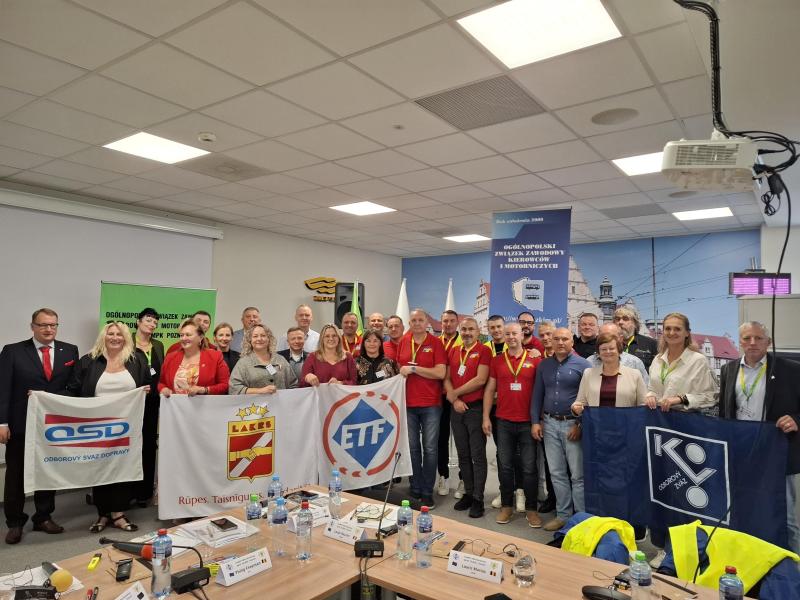
Final Regional Workshop of TU4BPT Project
On October 6th and 7th public transport unions from across Central and Eastern Europe met in Poznan for the final regional workshop of the Trade Unions for Better Public Transport project (TU4BPT). Hosted by Polish affiliate OZZKiM, the workshop delivered the final round of training for trade union representatives regarding the Twin Transition in public transport.
News
20 years of the Maritime Labour Convention: progress for seafarers, but the job is far from done
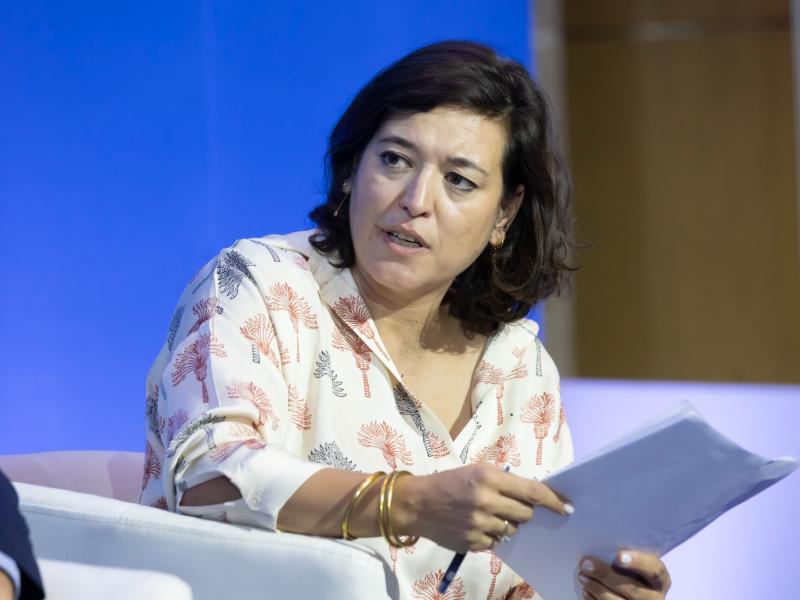
On 18 September, the Panhellenic Seamen’s Federation (PNO) and the Federation of Transport, Petroleum and Agriculture Workers (OMEPEGE/FTPAW-SEK) brought trade unions, governments, international institutions and shipowners together in Athens to take stock of two decades of the Maritime Labour Convention (MLC) – and, more importantly, to discuss what still needs to change.
News
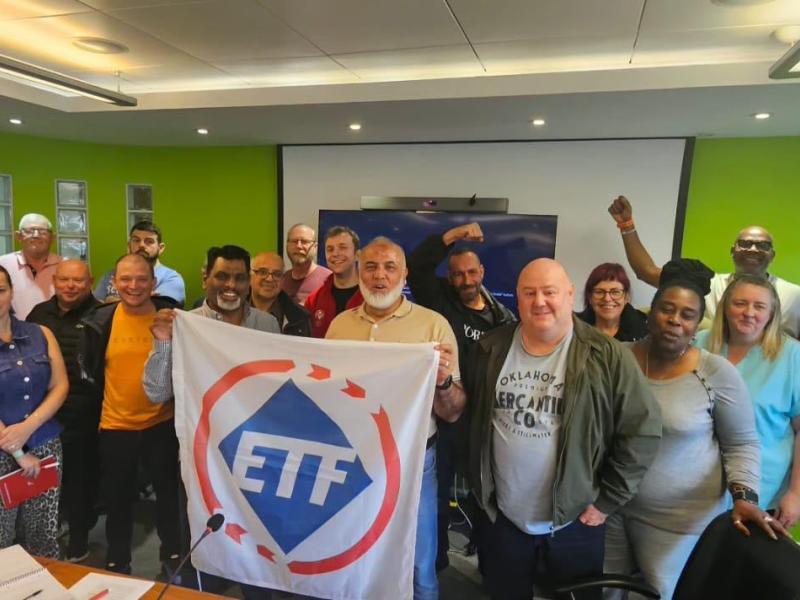
Workshops on Autonomous Vehicles in Public Transport Continue
The Urban Public Transport Committee’s project on autonomous vehicles in public transport continued last week, with workshops taking place in Slovakia, hosted by OZ KOVO, and the UK, hosted by Unite the Union. Both workshops brought together union reps from across the respective countries to discuss and strategise on the topic of autonomous vehicles.