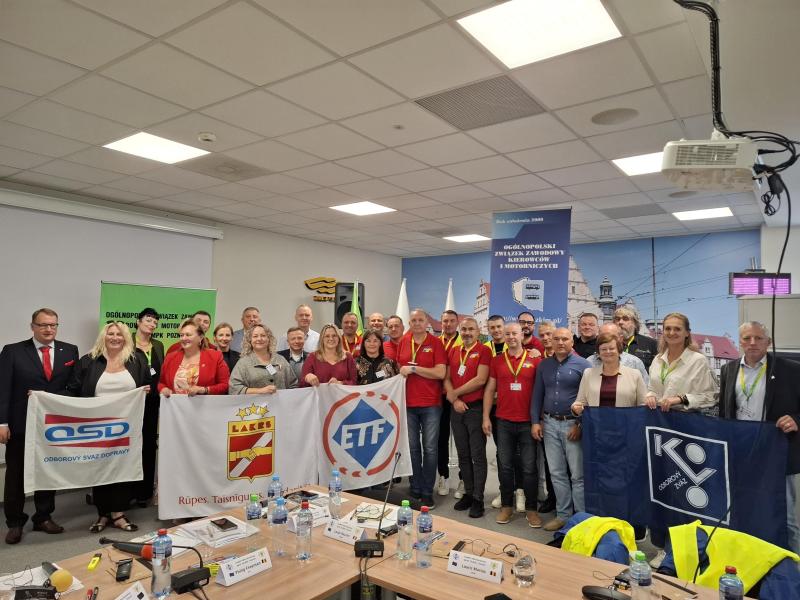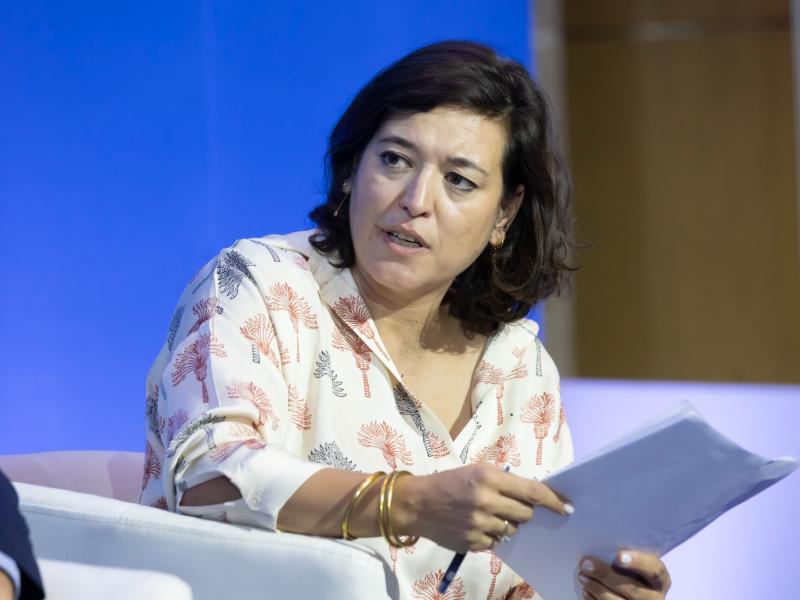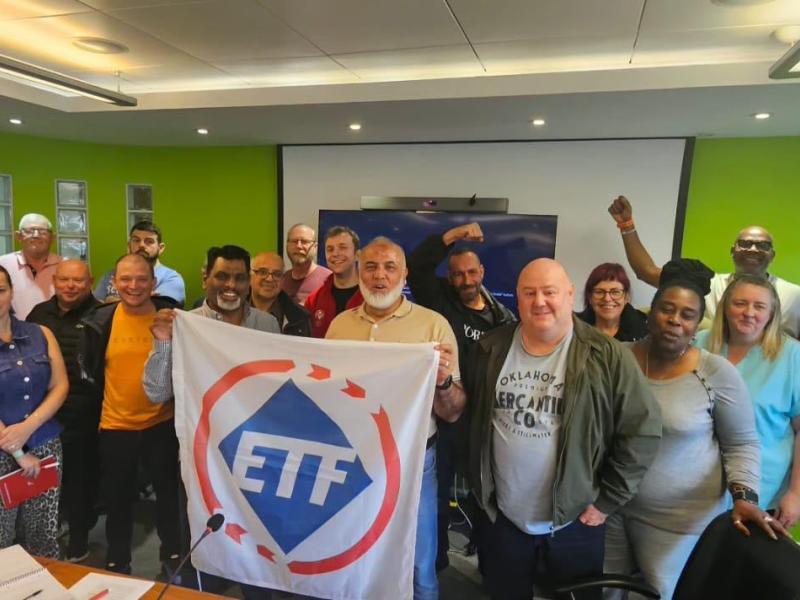


The European Transport Workers’ Federation (ETF) organised on the 20th of September 2018 a River Cruise Roundtable in Amsterdam, the epicentre of Europe’s luxurious river cruise industry. The event welcomed river cruise employers, worker representatives and other industry stakeholders. Our main objective was to discuss how to improve the current situation of both nautical and hotel staff in the European River Cruise Sector, whose dark side has been revealed by journalists in the Netherlands and Germany.
A booming sector
River cruises are big business. This booming sector sees ever-increasing numbers of passenger vessels sailing internationally on European rivers, especially the Rhine and the Danube. Alongside the nautical crew who navigate and look after the ship, a great number of workers are employed onboard as hotel and catering staff. The majority of these come from Eastern Europe or non-EU countries, for example South-East Asia. They are often employed on contracts from Cyprus and Malta, with employers taking advantage of the EU single market and the lower standards in these countries.
Exploitation, low wages, excessive working hours
Over the last few years the ETF has received many reports of unacceptable low wages, excessive working hours, unpaid overtime, and appalling working or living conditions on-board. More and more companies are using flags of convenience for their vessels, or carefully choosing the citizenship of the workers and the nature of their contracts. The workers themselves are in a vulnerable situation, far from home and with the ship serving as both workplace and accommodation. The result of this toxic mix is widespread social dumping and exploitation.
Authorities are starting to take notice. A number of inspections and controls have been conducted, which have found infringements of labour law, health & safety rules and migration policies. Recently, the press in the Netherlands and Germany have reported on shocking underpayment of workers, and treatment that borders on human trafficking.
Exploring the way forward
The objective of today’s ETF Roundtable was to explore whether conditions are ripe to begin social dialogue at European level with the European Barge Union (EBU) and IG River Cruise – the employers’ organisations representing the industry at European level.
Joris Kerkhofs, President of the ETF Inland Waterways Section, said “the goal is to work together on a European framework agreement to establish a level playing field and minimum social standards in the sector.”
A basis for a common understanding
The discussion shows there is a basis for a common understanding of the problems and there is:
- a will to find a common solution for the abovementioned problems, and
- common agreement on the desirability to have only one set of labour regulations applying on any one vessel.
The ETF repeated its offer to conclude a framework agreement on Inland Waterways but underlined that the window of opportunity for this option is beginning to close. In the meantime, the ETF will continue to fight for decent work, fair pay, safety, and secure employment in the river cruise sector. It is clear that progress is urgently needed, and an industry as profitable as this can afford to treat staff below decks with the respect they deserve.
For more information and interviews contact:
Bryn Watkins
Communications Officer
European Transport Workers’ Federation
+32 470 93 05 90
The European Transport Workers’ Federation (ETF)embraces transport trade unions from the European Union, the European Economic Area and Central and Eastern European countries. The ETF represents more than 5 million transport workers from more than 230 transport unions and 42 European countries.