ETF calls on the European Commission to adopt balanced measures equally supporting the three dimensions of the EU Common Fishery Policy: environmental, social, and economic.
A targeted, fair and balanced approach protecting the European fishery sector was what the European Transport Workers’ Federation (ETF) and its affiliates asked the European Commission to deliver at the conference “What future for fishers in the Mediterranean?” hosted on the 30th of June in Brussels.
The ETF conference brought together representatives of the European Commission, Members of the European Parliament, the Mediterranean Advisory Council (MEDAC) and other stakeholders to discuss the real challenges fishers in the Mediterranean face and find together possible solutions to the existing issues in the sector.
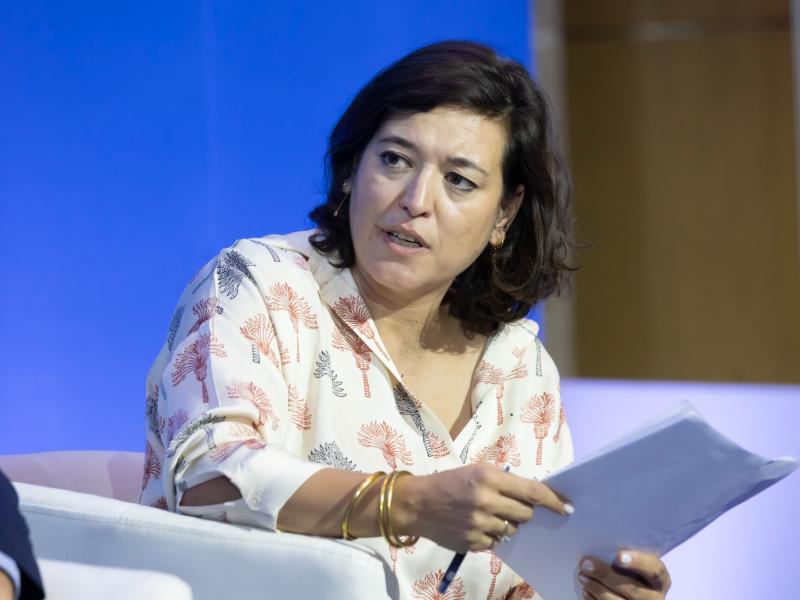
In her concluding remarks, the ETF General Secretary, Livia Spera, underlined that “the European Commission should care more about the future of fishers and coastal communities in the Mediterranean.” She also emphasized that better coordination amongst different DGs – DG MARE, DG Employment and DG Environment – involved in taking decisions impacting the fisheries sector in Europe is a must and a condition “to have a more holistic approach in identifying the correct causes of the problems and implementing the more suitable and balanced solutions.”
The fisheries sector has been through dramatic changes following the repetitive EU policies to reduce the fishing effort, with the Mediterranean being the most negatively impacted. The number of companies, vessels, and fishers has decreased significantly. More and more fishers struggle to see a perspective for them. Furthermore, the sector attractiveness for young workers is minimal, adding a severe demographic problem to the overall situation.
Fishers across Europe are aware of the need to fish responsibly to guarantee a future for the sector. Yet, the catching sector appears to be the only one paying the price, as the negative consequences of other human activities of the fish stocks are often neglected. Furthermore, the Mediterranean Sea area being shared with 3rd-countries, but not all implementing the same measures, creates imbalances and increasingly becomes an obstacle in achieving a sustainable fisheries sector.
Livia Spera, ETF General Secretary, added:
“We have always been, and we are ready to have a dialogue with the Commission about socio-economic implications of fisheries management, but – as demonstrated in today’s conference – DG MARE has a long way to go to properly address the social dimension of fisheries”.
The starting point of the ETF conference on the future of the fisheries sector was the advice of the Mediterranean Advisory Council, based on an analysis of the socio-economic impact of the Mediterranean management plans. It indicates that the number of catches has decreased, and overall socio-economic indicators have been greatly impacted. Despite these sacrifices, some fish stocks have not been recovering as expected.
ETF and its affiliates in the fisheries sector have been stressing the concerning situation for years, repeatedly asking for adequate measures to revert the negative trends.