

ETF black logo ETF black logo ETF black logo ETF black logo

Google Translate

Fair Fishing for Europe: Trade Unions launch debate on a more social EU fisheries policy

News

What is sustainable fishing? Of course we need to protect fish stocks, but that’s not all. We must also consider the safety, wellbeing and working conditions of the people who bring fish from the sea to our plates. Truly sustainable fishing needs a socially sustainable supply chain. And in a sector that is so international, that means decent international rules to protect workers.

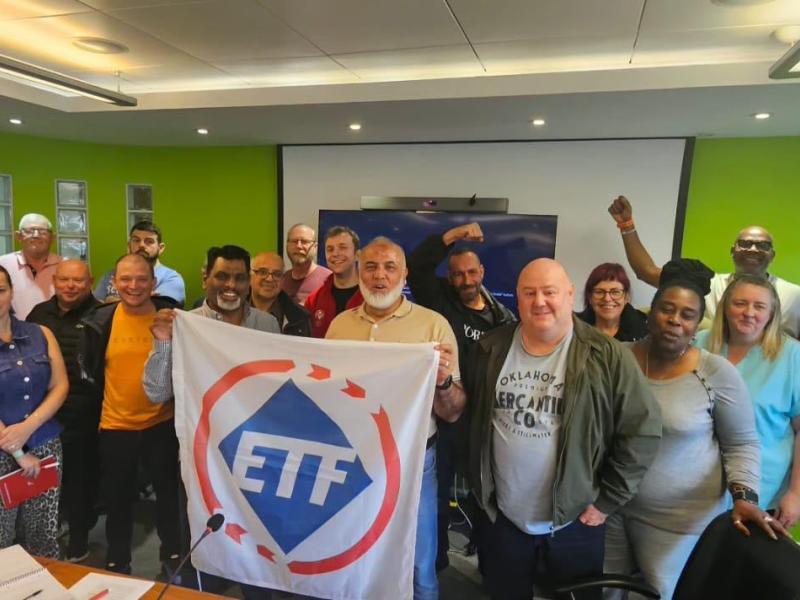
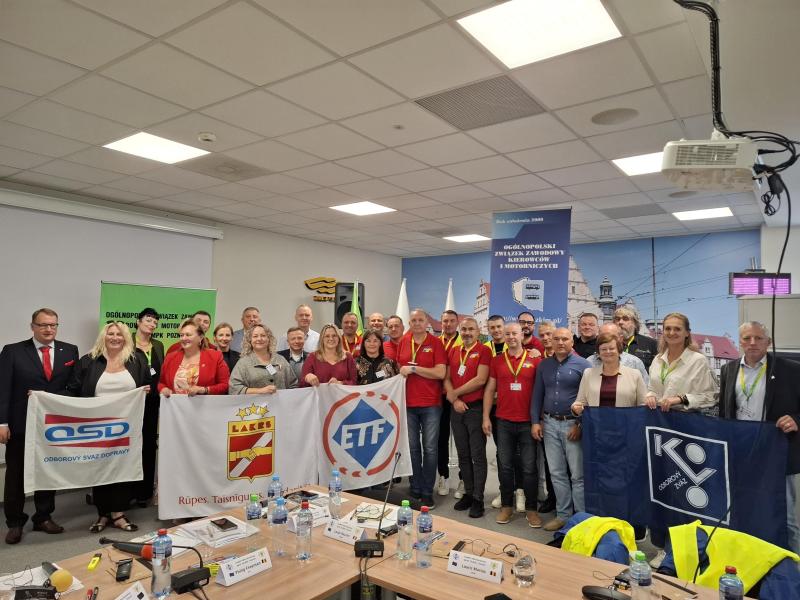
To address these questions, the European Transport Workers’ Federation (ETF) and the European Federation of Food, Agriculture and Tourism Trade Unions (EFFAT) hosted a joint seminar about the future of the EU’s Common Fisheries Policy (CFP). Workers, trade union activists, policymakers and experts joined the two-day event in Málaga, Spain.

Participants discussed various issues facing the European market in fish and fish products, which have a major impact on working conditions. For example, many fishermen are self-employed, which makes they struggle to organise effectively. The producer organisations that claim to represent their interests are often dominated by businesses and driven by profit.

The debates stressed the global impact of the European fish market: the EU is a major importer of fish products, and European fleets and investors are present far beyond European waters. Decent and well-implemented European rules could have a positive impact around the world, in a sector blighted by dangerous conditions and modern slavery. The EU’s weight as a huge market for fish products could make it a trend setter for high social standards in the fisheries sector.

The seminar is part of an EU-funded project where ETF and EFFAT will develop a trade union vision on the whole seafood supply chain: catching, processing, and aquaculture. The aim is a more social Common Fisheries Policy, so Europeans can be proud of the fish on our plates.

ON THE GROUND

News

Keeping a warming Europe moving: how hot temperatures affect transport workers and what can be done about it

As part of the European continent undergoes its fourth heatwave of 2026, it has become abundantly clear that occupational heat exposure is no longer an exceptional or occasional summer hazard. It is an emergent occupational hazard only destined to escalate. Europe is the second fastest-warming region of the globe after the Arctic. According to EU-OSHA 2025 numbers, one in five workers in the EU signaled exposure to extreme heat at work in the previous 12 months, a figure rising to one in three in some countries.
News

Unruly passengers: more than just summer headlines

Summer may be synonymous with relaxation for holidaymakers and every summer seems to produce its share of eye-catching headlines. Just days ago, The Guardian reported on a drunk British holidaymaker who tried to kiss a flight attendant on a plane and was arrested on his way back through Palma airport. A week earlier, headlines were dominated by reports of a flight from Dublin to Ibiza descending into what was described as "sex and booze chaos," leaving fellow passengers shocked.
News

UK public transport unions sound the alarm over lack of toilet access for drivers

Public transport unions in the United Kingdom are raising urgent concerns about the lack of access to toilet facilities for bus and train drivers, a problem that has persisted for years but is now reaching a breaking point. Reports from across the UK show drivers being forced to work entire shifts without guaranteed access to a toilet, leaving them to rely on improvised or unsafe alternatives, including urinating in bottles in their driving cab. Some unions are now considering industrial action to force employers and authorities to act.