

ETF black logo ETF black logo ETF black logo ETF black logo

Google Translate

Fishing capacity ceilings have to be reviewed to bring the sector closer to social and environmental sustainability

News

The Common Fisheries Policies’ current rules about fishing capacity are an obstacle to vessel improvements that would improve safety and working conditions, and move the industry closer to the European Green Deal goals.

The European social partners for the sea fisheries sector believe that the fishing capacity rules need to be adapted to reflect the reality of the sector. The revision should have as its goal an eradication of accidents at work, improvement of safety and working conditions, and modernisation of the sector – allowing for changes that would improve environmental sustainability, as well as attract more young workers.

Social partners addressed a letter to Commissioner Sinkevičius, asking to have an in-depth discussion on the topic to explore possible alternative ways to measure fishing capacity and entry/exit scheme to give an incentive for modernisation of vessels while maintaining strict control on fishing capacity.

The letter containing more details on the evidence showing the urgent need for change is available here.
ON THE GROUND

News

ETF unions meet in Brussels for the aviation week

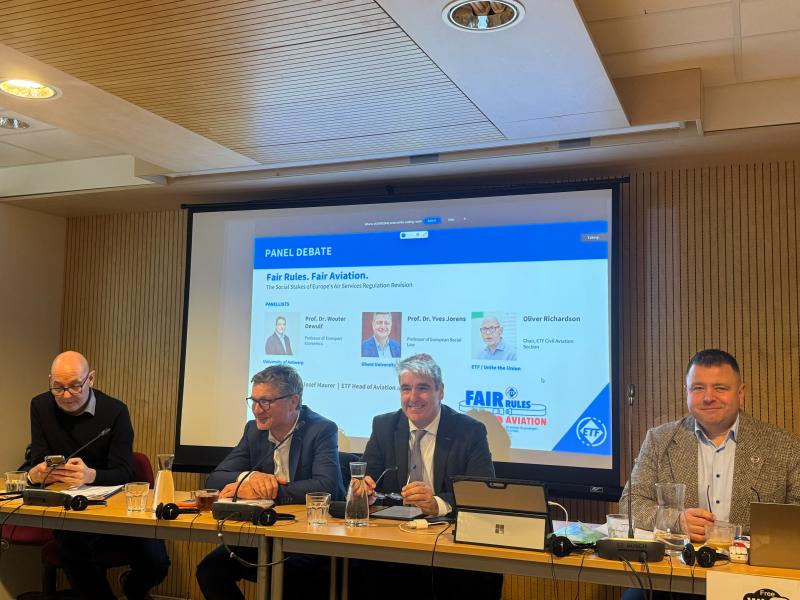
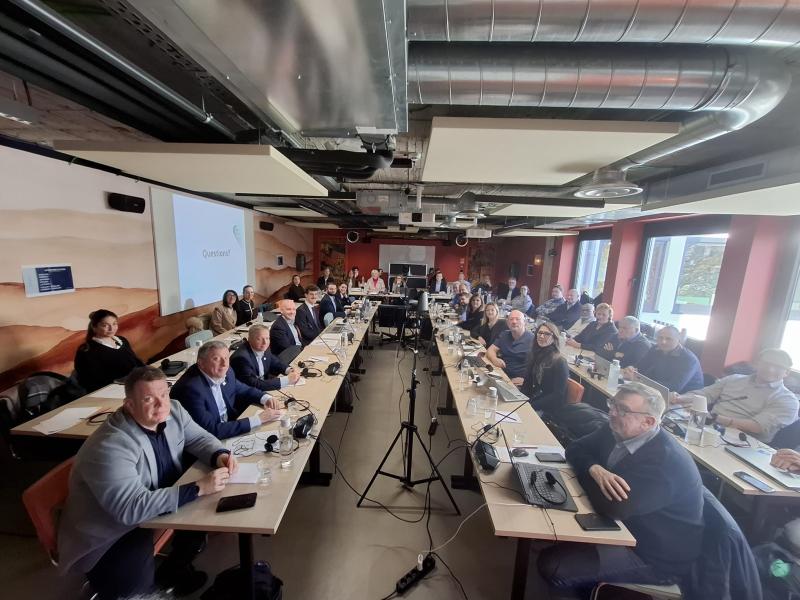
From 2 to 5 November 2026, aviation trade union representatives from across Europe gathered in Brussels for the governance meetings of the ETF Civil Aviation Section. We kicked off the week with the Steering Committee, followed by meetings of the Joint Aircrew (JAC), Air Traffic Management (ATMC) and Ground Staff (GSC) Committees. We continued with the Civil Aviation Section meeting on Wednesday, focusing on horizontal priorities affecting workers across the aviation sector, and concluded the week on Thursday with the annual plenary of the European Sectoral Social Dialogue Committee for Civil Aviation.
News

European Social Dialogue in Urban Public Transport Reaches New Milestone

Urban Public Transport (UPT) is a critical sector for Europe, employing more than 2 million people and providing a vital and fundamental public service. Without UPT, European cities would grind to a halt and hundreds of millions of Europeans would not be able to effectively reach work, education and leisure. However, for historical reasons this essential sector has not enjoyed the full rights within the structures of European Social Dialogue, being merely a working group under the Road Sectoral Social Dialogue Committee. This is despite the fact that UPT faces massive challenges and changes, from the labour shortage to underfunding to the need to decarbonise vehicle fleets, alongside many others.