ETF black logo ETF black logo ETF black logo ETF black logo

Google Translate

ITF condemns killing of seafarers in Russian missile attack

Press release

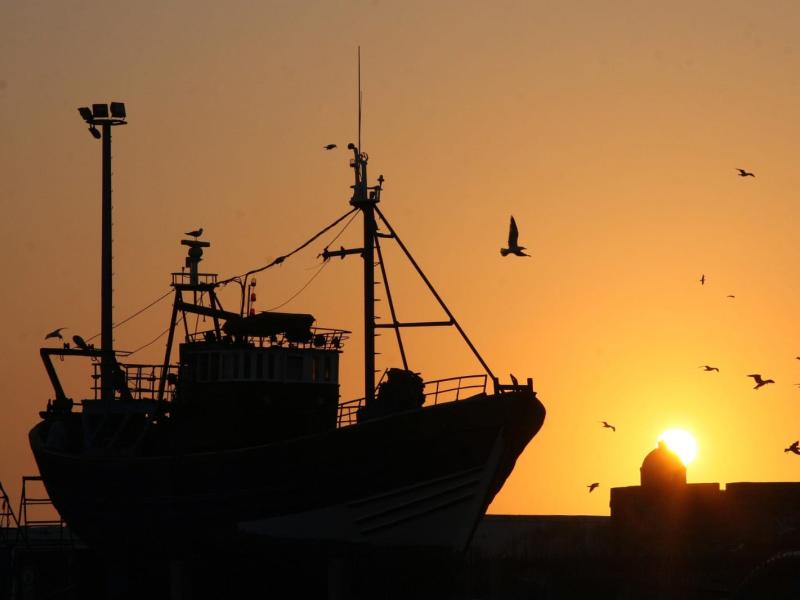
Four Syrian seafarers have been killed after a Russian cruise missile hit a vessel in the Black Sea port of Odessa last Tuesday. 

The International Transport Workers’ Federation (ITF) condemns the killing of seafarers and reiterates its call for an immediate and sustained ceasefire between Russia and Ukraine, urging a halt to all attacks on commercial ships. 

Four Syrian seafarers were killed in the attack and two Ukrainians (one seafarer and one watchman) were injured when a missile hit the vessel MJ Pinar, a Greek-managed bulk carrier. This is the latest attack on the port's infrastructure by Russia. 

“We are outraged and deeply saddened by these killings. Seafarers operating in the Black Sea and the Sea of Azov have been forced to endure unacceptable risks for far too long,” said David Heindel, ITF Seafarers’ Section Chair.  

The seafarers were loading wheat for Algeria when the attack happened. Ukraine is the world's ninth largest producer and fifth largest exporter of wheat, and ships over five million tonnes of grain a month.  

The Port of Odessa has been repeatedly targeted by Russian military over the past three years. 

Heindel stated: “Seafarers are the world’s key workers – they are absolutely crucial to the global economy and they must be protected. It is simply unconscionable that they have been killed while carrying out their work.” 

Although Ukraine signed a 30-day ceasefire proposal  after discussions with the US in Jeddah this week, there is no explanation of how this might be enforced.  

“These killings underscore the grim reality of the dangers seafarers face day in, day out. The repeated targeting of civilian vessels, workers and people must end, and it must end now,” added Heindel. 

END

Image credit: Reuters
ON THE GROUND

News

Keeping a warming Europe moving: how hot temperatures affect transport workers and what can be done about it

As part of the European continent undergoes its fourth heatwave of 2026, it has become abundantly clear that occupational heat exposure is no longer an exceptional or occasional summer hazard. It is an emergent occupational hazard only destined to escalate. Europe is the second fastest-warming region of the globe after the Arctic. According to EU-OSHA 2025 numbers, one in five workers in the EU signaled exposure to extreme heat at work in the previous 12 months, a figure rising to one in three in some countries.
News

Unruly passengers: more than just summer headlines

Summer may be synonymous with relaxation for holidaymakers and every summer seems to produce its share of eye-catching headlines. Just days ago, The Guardian reported on a drunk British holidaymaker who tried to kiss a flight attendant on a plane and was arrested on his way back through Palma airport. A week earlier, headlines were dominated by reports of a flight from Dublin to Ibiza descending into what was described as "sex and booze chaos," leaving fellow passengers shocked.
News

UK public transport unions sound the alarm over lack of toilet access for drivers

Public transport unions in the United Kingdom are raising urgent concerns about the lack of access to toilet facilities for bus and train drivers, a problem that has persisted for years but is now reaching a breaking point. Reports from across the UK show drivers being forced to work entire shifts without guaranteed access to a toilet, leaving them to rely on improvised or unsafe alternatives, including urinating in bottles in their driving cab. Some unions are now considering industrial action to force employers and authorities to act.