Due to the heightened humanitarian crisis resulting from lack of sufficient action by governments in ensuring crew changes happen, European and International maritime industry stakeholders joined forces to seek political leadership and commitment by European leaders to the welfare of seafarers. They urge them to commit to doing everything in their power to promote the facilitation of crew changes by EU Member States and third countries for crew changes to take place without further delays.
As a result of COVID-19 travel restrictions and border closures, hundreds of thousands of seafarers are stranded around the world. Over 250,000 seafarers are currently waiting for crew changes on ships, with some of them having already spent 15 months or more on board. An equal number are awaiting to join ships.
In addition to the immense pressure this situation creates for individual seafarers, this is also a time of considerable difficulty for global and national economies. Ensuring crew changes can take place in EU ports without any impediment should be seen strategically as part of the broader recovery plan for European industries.
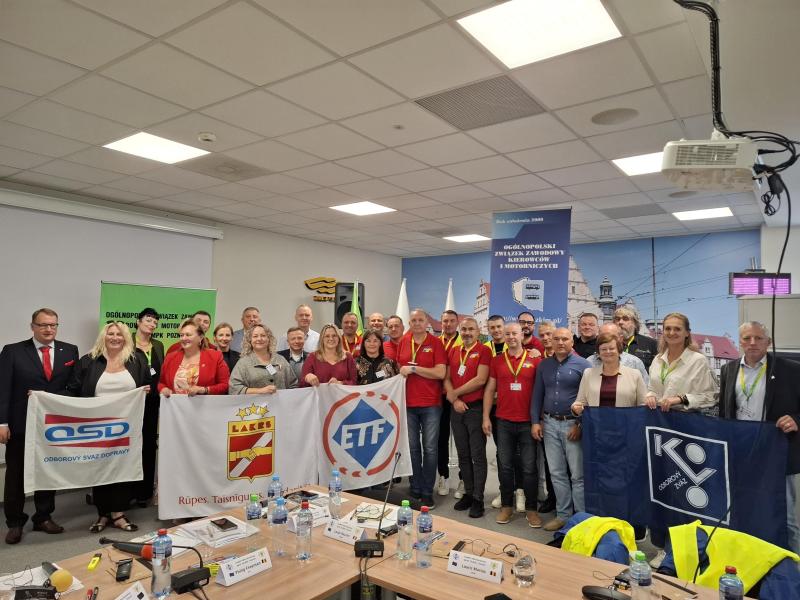
The European and International social partners for maritime transport (ECSA, ETF, ICS, ITF), as well as CLIA, WSC, IMEC, INTERTANKO and INTERMANAGER, warn that there is no more time to lose. They urge the decision-makers to show political responsibility at the highest political level – where there is a political will there is a way!
They argue the EU is uniquely placed to make a difference and call on all governments to lead by example by, without further delay:
- Designating all seafarers, regardless of nationality, as key workers and facilitate their movement under conditions that safeguard their health and minimize the risks of COVID-19 infection.
- Ensuring that seafarers are able to join and leave their ships for repatriation, crew changes, shore leave and medical attention without impediment.
- Creating the necessary conditions for seafarer air corridors from the EU Member States and key labour supply countries.
They call upon the decision-makers in EU institutions and Member States to use the upcoming high-level meetings in European Parliament, Council and European Council and the UK-led crew change summit to show their political responsibility and be of service to the many seafarers who have served the world over the past months.
Joint letters were sent to the President of the European Commission, Ursula von der Leyen; President of the European Parliament, David Sassoli; President of the European Council, Charles Michel; and the Chancellor of Germany, Angela Merkel as current President of the Council of the European Union, and several European Members of Parliament and Member States.