UK, Belgium, France, Italy, The Netherlands, Austria…
In the face of the cost-of-living crisis, this year has seen unprecedented industrial action from rail workers across Europe to defend their jobs, pay and conditions. The ETF stands with our unions and workers facing difficult negotiations and taking industrial action.
Years of underinvestment in rail means growing pressure on rail workers, but also unmaintained equipment and a decrease in the quality of services. Many companies are short-staffed, leading to longer hours and even the foregoing of holidays. Funds are not being allocated to hiring new staff, affecting the workload and the consistency of rail services. In the case that companies do want to hire new staff, they are finding it difficult to do so.
Demographic change is hitting the sector hard. Current staff will soon retire. Young workers or women workers do not find it to be an attractive career option, and this is due to a lack of decent working conditions.
Strike action is never taken lightly – workers lose out on pay.
The solution is for companies to come to the table and engage in constructive social dialogue.
In the Netherlands, unions secured a collective bargaining agreement for workers after 6 days of strike action. The agreement will greatly improve conditions, and no further strike action was pursued.
Rail workers want to be able to carry out their job under good conditions and provide quality services to customers. But for this to happen, there needs to be significant investment in the industry’s workforce. Salaries must reflect the historical inflation levels and allow workers to maintain their purchasing power.
Investments are needed to ensure that rail can play its key role in the greening of transport, which is essential in facing the climate crisis. The sector will never correctly function and fulfil this role without its workers.
Until companies are willing to bring viable solutions to the table that will improve the lives of their staff, then strike action to defend jobs, pay, and conditions will continue.
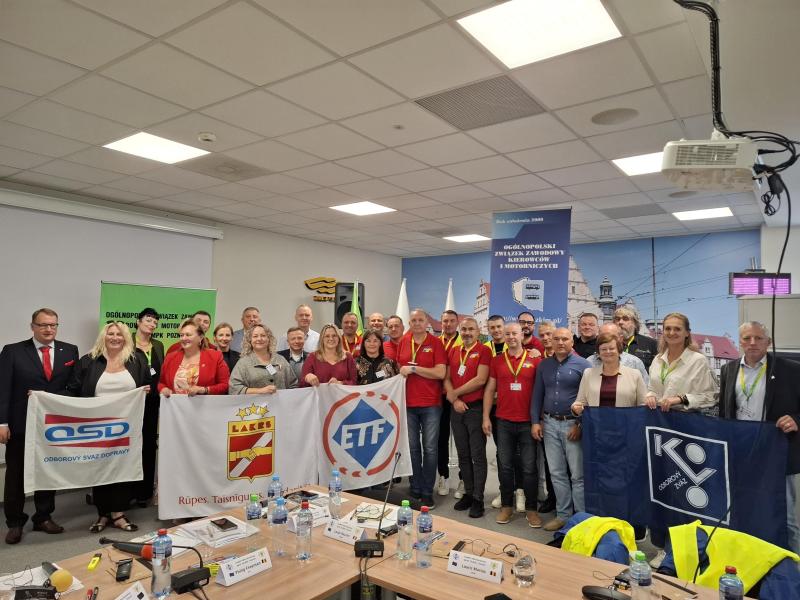
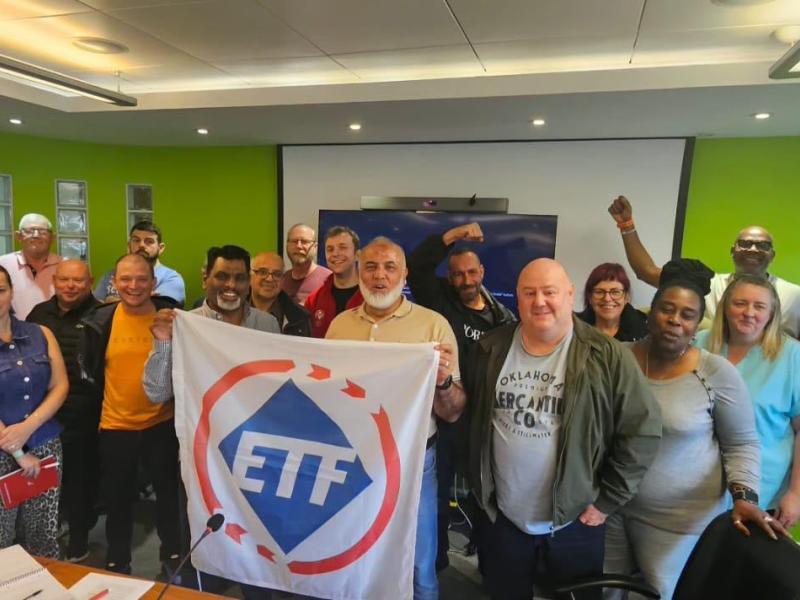
At the latest Rail Section meeting, the members of the rail section expressed their solidarity and will continue to support unions who decide to take strike action.