A second wildcat strike by truck drivers at a rest area in Grafenhausen, Germany, has brought renewed attention to the systemic issues plaguing the road transport industry in Europe, and the urgent need for intervention by government and industry stakeholders to protect the rights of third-country nationals.
The striking drivers have gathered at the rest area to demand pay owed them by the Polish trucking consortium Mazur Group or Agmaz-Lukmas-Imperia. As of today, over 130 trucks and their drivers, who come from countries including Georgia, Uzbekistan, Ukraine, Kazakhstan, the Philippines, and Tajikistan, are gathered at the rest area.
A small group of drivers received payment within a number of days with support from the Road Transport Due Diligence Foundation (RTDD) and Fair Mobility, along with the European Transport Workers’ Federation (ETF), the International Transport Workers’ Federation (ITF), and ETF and ITF affiliated united service union ver.di and the DGB in Germany. However, the majority of striking truck drivers have not yet received pay owed to them from the company. In addition to payment of the money owed to them, the drivers are also demanding an end to inhumane working conditions, including long working hours, being forced to live exclusively in their trucks, and other unsafe working practices.
During a similar strike at the Grafenhausen rest area in March and April, it became clear that the Mazur Group hauls goods for major multinational customers and logistics companies across Europe, including IKEA, Volkswagen, CH Robinson, and Sennder. The German Act on Corporate Due Diligence Obligations in Supply Chains puts obligations on these companies to prevent and mitigate human rights abuses and ensure workers’ rights are protected in their supply chains.
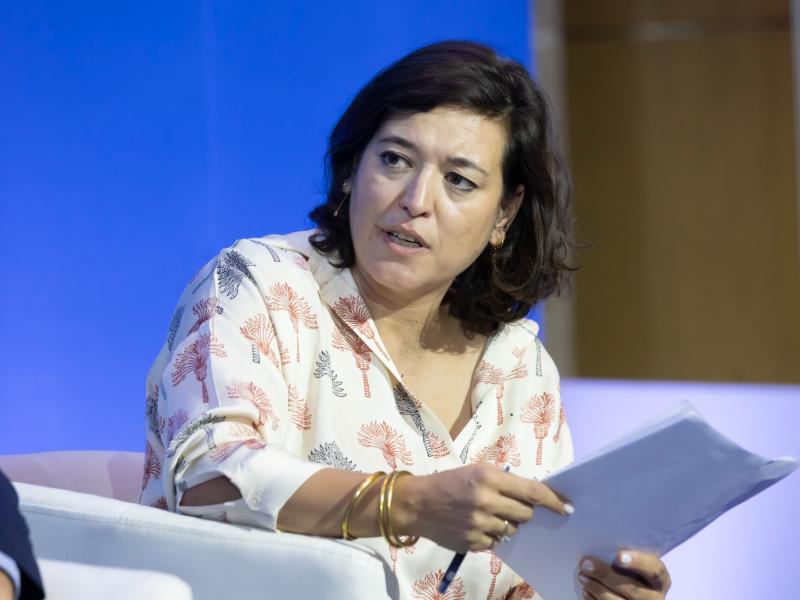
“The current business model for road transport perpetuates violations of workers’ and human rights,” said Livia Spera, General Secretary of the ETF. “In European road transport, multinational companies prioritise profit over people, leaving the most vulnerable workers in their supply chains exposed to inhumane treatment, payment delays and much more. It is crucial that authorities hold these companies accountable and enforce existing regulations to ensure the full implementation of social legislation for all drivers, regardless of their nationality.”
“Sadly, the problems these drivers have bravely exposed are rampant in European road transport,” said Stephen Cotton, General Secretary of the ITF. “Brands and transport companies now have a choice. They can work with trade unions to end the exploitation of cross-border transport workers or accept that wildcat strikes will become the new normal in European trucking. We will continue to work with responsible companies, to help them check and fix human rights violations in their business and supply chains, and for those companies that continue to exploit transport workers, you should expect more of what we are seeing at Grafenhausen.”
The ETF and ITF have been campaigning to end the exploitation of third-country nationals in the road transport sector. It is common practice for these workers to be subjected to highly discriminatory conditions, including a denial of basic rights to fair pay, and decent working conditions. To address these systemic issues, the two trade union organisations are calling for stepped-up enforcement of applicable rules, namely the proper implementation of the Mobility Package, with a specific emphasis on safeguarding the rights of workers regardless of where they come from.
Unions are also working with the Road Transport Due Diligence Foundation, the independent organisation that monitors and addresses violations of labour and human rights standards in European road transport supply chains.
This article was amended on 4 August 2023. An earlier version said that LKW Walter was a customer of Mazur Group which was not correct. LKW Walter has informed the ETF that they do not have any kind of ongoing business relationship or cooperation with any of the Polish companies mentioned in this article.