The ETF held a conference on the Future of Train Driving on April 26, 2023, against the backdrop of the upcoming revision of the Train Drivers Directive, which regulates training and certification standards of train drivers in the European Union.
The conference provided a unique opportunity for train drivers to make their voices heard in the presence of the European Commission’s DG MOVE, Director of Land Transport, Kristian Schmidt, and MEPs Karima Delli and Ismail Ertug.
Rail can never be a moneymaker, it’s a public service that should serve the public, according to train drivers from across the continent who attended the conference. Years of EU policies focused on profits, pushing more and more liberalisation and competition, are keeping rail from achieving its true potential as the backbone of sustainable transport. These policies that bring down labour costs are also driving workers out and away from the sector. Train drivers warned that the situation in the road transport sector will be repeated in the rail transport sector if this continues.
ETF General Secretary Livia Spera highlighted the rampant worker shortage in transport and the need to attract young workers to the sector. For this to happen, working conditions need to improve, and the upcoming EU elections provide an opportunity to do so, urged Spera.
ETF Railway Section Chair Giorgio Tuti confirmed the crucial need for the rail profession to be attractive but also underlined the importance of social dialogue and the need for the European Commission to listen to social partners. This point was supported by CER Director Alberto Mazzola, who mentioned the Joint Recommendations on the Train Drivers Directive. When social partners in rail come together and agree on something, then it should be taken into consideration by the European Commission.
One of the most contentious issues discussed at the conference was the European Commission’s intention to amend the language requirement (currently B1) for train drivers to allow them to drive in more countries and boost international rail.
Train drivers all agreed that either lowering the language requirement, introducing a common language, most likely English, or a digital translation tool, would tremendously put the safety of everyone at risk. Train drivers must be able to speak to everyone involved in rail operations, and in emergency situations, where national services are involved. It would be a “horror show” if they were not able to comprehend one another.
They expressed outrage at the idea because there are already many problems that are making working conditions and job quality worse, which is discouraging potential train drivers from entering the profession. Another concern raised by train drivers was that lowering the language requirement would lead to exploitation and social dumping as companies could then more easily outsource train drivers’ work, even hire train drivers from lower-wage countries, and ignore labour rights as we see in the road transport sector today. Already, with subcontracting growing in rail companies, there have been cases of unqualified train drivers with no knowledge of the route driving for extended periods of time, putting everyone at risk.
Train drivers emphasised that what is needed is more investment in rail, in the workforce, quality and longer periods of training, tools to monitor rest times and working times, and stronger regulations to address working time violations and abusive subcontracting.
MEP Karima Delli underlined that the EU cannot say that they want a Green Deal, but then not invest in rail. Widely applauded by the train drivers present, Delli emphasised that the rail profession is not given the value it deserves, and this is what is driving people out and away from the industry.
MEP Ismail Ertug agreed that the rail sector cannot become the new road sector, and mistakes done in road transport should be avoided. In this sense, digital enforcement tools to monitor working and rest time and avoid exploitation would benefit the sector.
In his intervention, Kristian Schmidt recalled the broader context of the revision (e.g. important role of rail in Green Deal context, cross-border rail services mainly hindered by infrastructure issues). He explained that the Commission was currently working on the impact assessment and stressed that the choice of policy options was still open. He also insisted that safety remained the priority. He recalled the revision was necessary because the TDD was no longer fit for purpose. He explained that the TDD was cumbersome and outdated (e.g. paper format for certificates), that the requirements were insufficiently clear and detailed, and that extending the scope of the common EU licence would streamline the process. He acknowledged the issue of languages was sensitive and made clear the Commission did not want social dumping but was rather looking at ways to increase flexibilities for cross-border traffic. He emphasised the importance of training, upgrading and valuing skills and the need to make the train driver profession more attractive. On working time, he recognised that the existing obligation for operators to record it was not consistently enforced in the EU and indicated the Commission was open to ask the European Agency for Railways (ERA) to start working on the development of a common tool for this purpose.
Find out more:
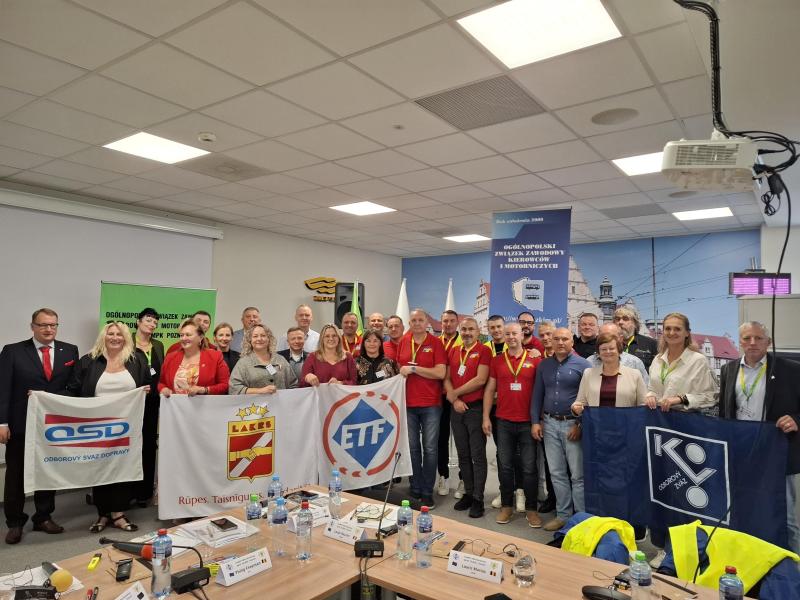
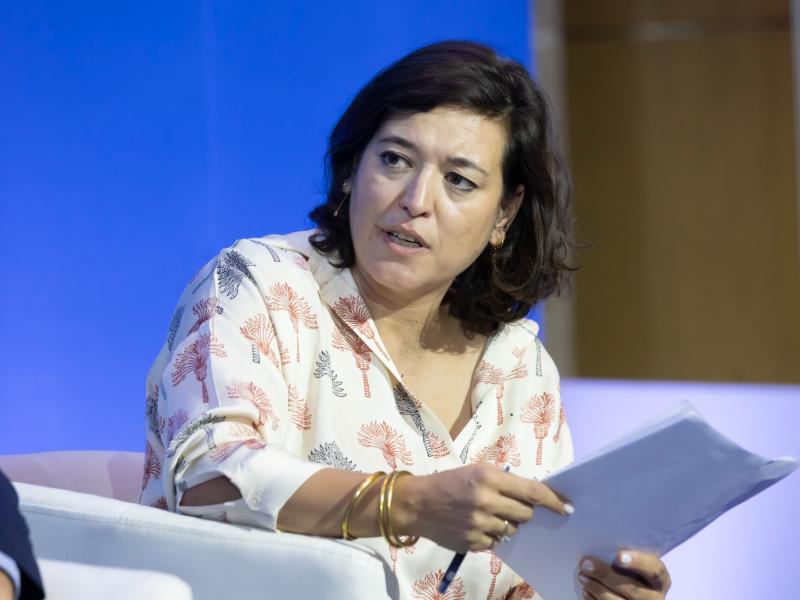
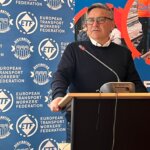
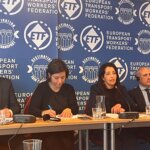
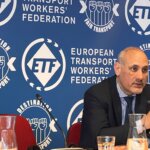
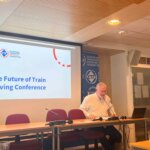
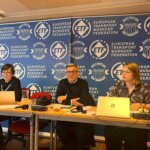
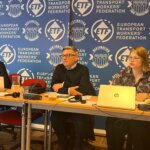
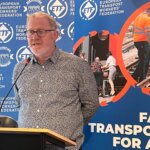
Pictures from the conference of 26/04:





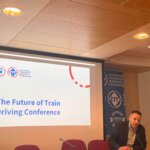



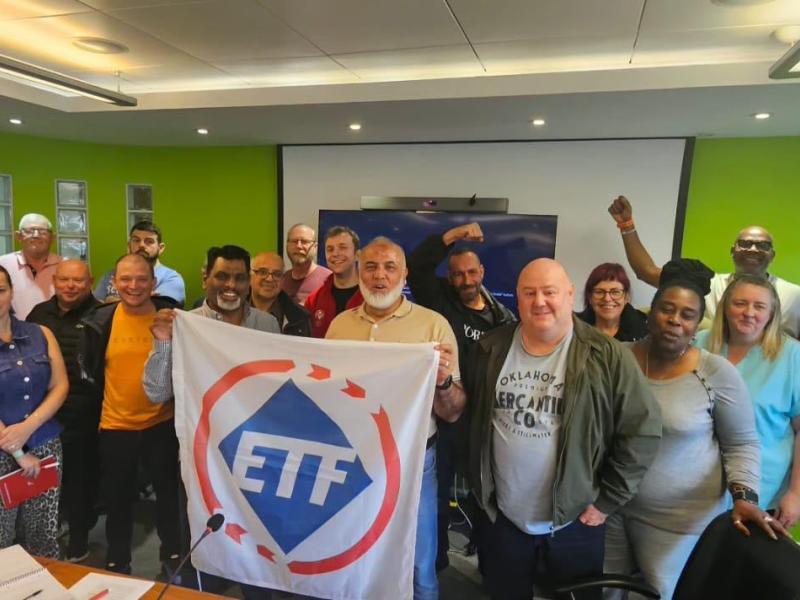
On 25 April, ETF gathered train drivers from across Europe to share their experiences and expectations on the future of train driving ahead of the Future of Train Driving Conference:

















Resources
ETF Position on the Train Drivers Directive
Joint ETF-CER Social Partner Statement on the Train Drivers Directive
Joint ETF-CER Recommendation for the revision of the Train Drivers Directive