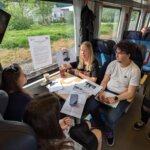
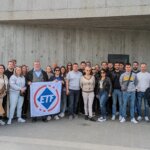
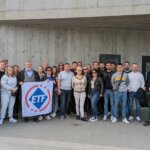
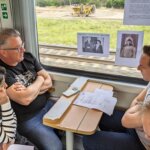
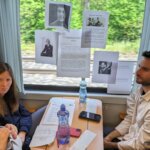
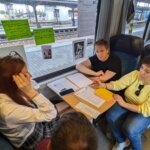
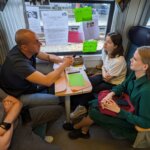
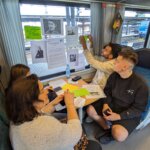
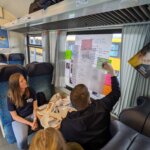
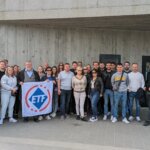
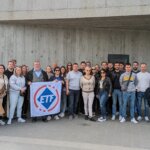
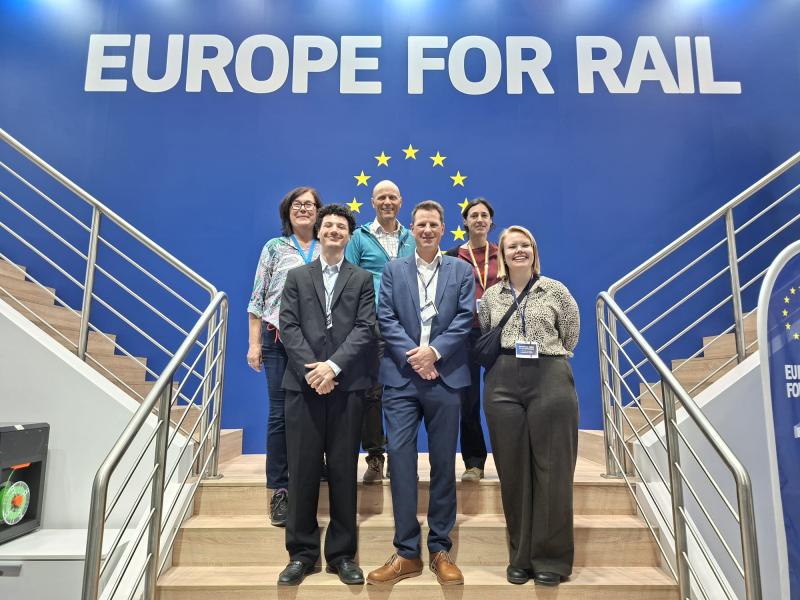
Last week, the European Transport Workers’ Federation (ETF) and the Friedrich-Ebert-Stiftung EU Office (FES Europa) organised an initiative called the “Train of Remembrance.” This 3-day pedagogical journey aimed to educate and empower young trade unionists by reflecting on the harrowing impact of the far-right Nazi regime during the 1940s in Germany, particularly the atrocities of the Holocaust that claimed over 6 million lives, predominantly Jews. The slogan “Never again, nowhere” encapsulated the essence of the journey, emphasising the imperative for workers to combat genocide and oppression globally now and in the future.
Day 1: Standing Up Against the Resurgence of the Far-Right
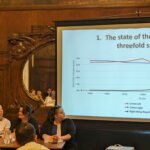
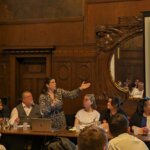
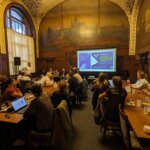
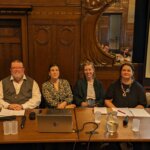
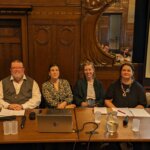
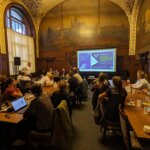
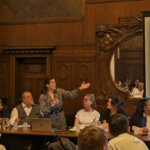
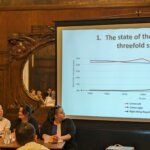
The journey commenced with a conference focusing on the resurgence of the far-right and the critical role of trade unions in uniting against this threat. Participants had the chance to listen to a keynote speech by Professor Daphne Halikiopoulou from the University of York, where she focused on the origins and consequences of far-right trends in recent years. She was accompanied by a high-level panel including Frank Moreels, ETF President, Zuzana Schreiberová, Director of the Multicultural Centre of Prague, Emanuele Toscano, sociologist and expert on the effects of the far-right on the labour movement, and Céline Ruffié, ETF Youth Committee co-chair. Everyone engaged in discussions on the historical context of the 20th century and the necessity for organised resistance to safeguard democracy and human rights in the face of escalating far-right ideologies.
Day 2: Tracing History and Resilience
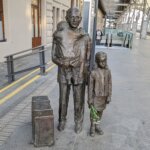
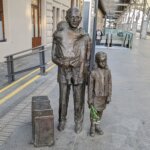
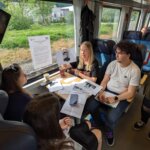
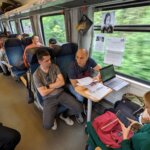
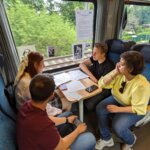
The second day started with guided tour around Prague Main Station entitled “Winton was not alone”. Nicholas Winton (1909-2015), known as the “British Shindler”, helped save 669 children from the Holocaust by exfiltrating them from Czechoslovakia to the United Kingdom. While his story is widely known, there was a number of transport workers and other members of the resistance whose heroic acts helped to save the lives of the children. Then, the young transport workers embarked on a trip from Prague to Auschwitz, delving deep into activities and discussions on the history of the Nazi regime. Conversations centred on the origins, consequences, and unwavering resistance that characterised that dark period. The day underscored the vital importance of unity among workers in upholding values of democracy, diversity, and human rights, echoing the resilience displayed by those who resisted oppression in the past. The “Righteous Among Nations”, people who resisted fascism in their countries, were evoked by participants, giving a moving perspective of how workers and people, in general, gave their best to resist the far-right in the 20th century.
Day 3: Confronting History and Pledging Resistance
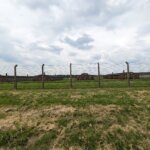
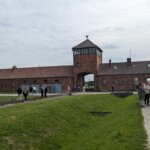
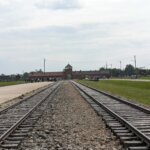
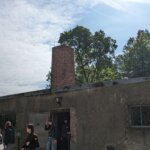
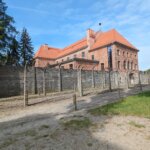
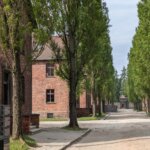
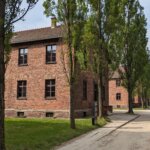
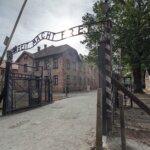
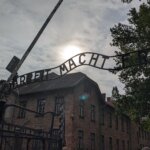
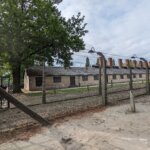
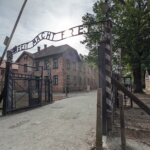
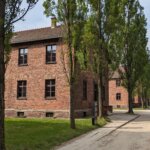
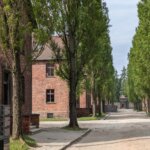
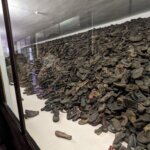
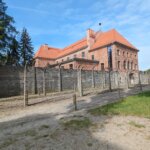
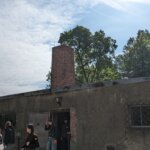
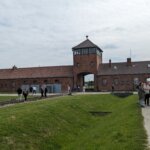
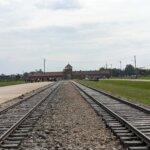
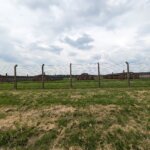
The journey culminated in a visit to the Nazi Auschwitz camp in Poland, a profoundly moving experience that left a lasting impact on the participants. Confronted with the stark realities of history and the face of evil, the group of young transport workers emerged with a renewed commitment to stand against the resurgence of far-right ideologies in Europe. As they witness the growth of far-right parties and their threats to workers’ rights and human dignity, the trade unionists vowed to stand united in resistance, echoing the spirit of defiance that characterised the fight against Nazis in the past.
In conclusion, the “Train of Remembrance” served as a powerful reminder of the atrocities of the past and a call to action for the present. It highlighted the imperative for workers to unite, resist, and uphold the values of democracy, diversity, and human rights in the face of rising far-right extremism. Through education, reflection, and solidarity, the journey underscored the timeless relevance of the slogan “Never again, nowhere” in the ongoing fight against oppression and injustice.