On June 19, 2024, NSZZ Solidarność organized a protest at the PKP CARGO S.A. headquarters in Warsaw. The demonstration was a response to the interim Management Board’s decision to place up to 30% of the workforce on forced leave, potentially lasting up to 12 months. This decision has left many workers facing financial difficulties, as they would receive only 60% of their previous salaries during this period.
With the slogan “We want to work, not starve,” protesters voiced their frustration and highlighted the severe impact of the board’s decision on their lives. “They want to force us to leave our jobs ourselves, because after all, we won’t be able to support our families on 60% of our previous salaries. At the same time, they don’t want to fire us, because they would then have to pay us severance pay,” said one protester.
The NSZZ “Solidarność” Trade Section of the PKP Cargo Group submitted a petition to Marcin Wojewódka, the acting CEO of PKP Cargo. The petition condemned his actions and expressed strong opposition to the attempts to blame the union for the company’s current situation. Zenon Kozendra, an employee representative on PKP Cargo’s board, received the petition on Wojewódka’s behalf. Kozendra expressed solidarity with the protesters and pledged to advocate for their demands.
The union demanded the reinstatement of the Employee Guarantee Pact, which they argued was illegally terminated. Additionally, they called for the withdrawal of the termination of the Company Collective Bargaining Agreement and the Social Partner Agreement. Furthermore, the union criticized the management for not attempting to negotiate amendments to the agreement. Despite the gravity of the situation, acting CEO Marcin Wojewódka did not meet with the protesters, reportedly being on vacation.
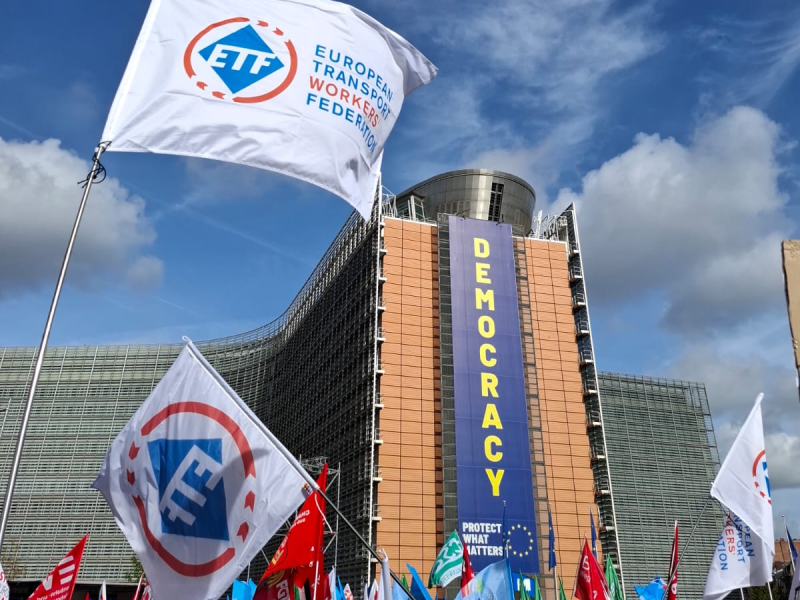
Support for the protest extended beyond national borders. The ETF backed the demonstration, urging PKP Cargo’s management to engage in constructive dialogue with the union. The ETF also called on the Polish government, particularly the Minister of Transport, to support the consolidation of PKP Cargo as a leading rail cargo company in Poland. Moreover, political figures such as Deputy Speaker of Parliament Krzysztof Bosak and Confederation MP Witold Tumanowicz also supported the protest, criticizing the government for potentially favoring foreign interests over Polish ones.
The protest proceeded peacefully, highlighting the unity and determination of the railway workers and their supporters in defending their rights and livelihoods against the management’s harmful measures.