Related content
Resources
ETF Strategy for European Works Councils
Multinational companies with at least 1,000 employees across the 27 EU Member States, and a minimum of 150 employees in at least two of those states, are obliged by European legislation to set up a


News
European Works Councils: Complete set of resources available
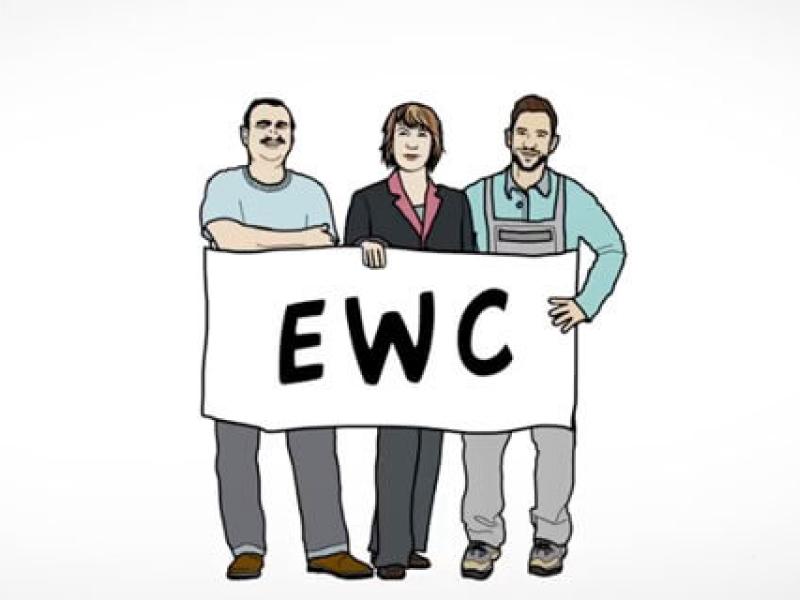
The European Transport Workers' Federation has released an enhanced toolkit and new multilingual training videos to support trade unions and workers' representatives in European Works Councils (EWCs). This update comes at a crucial time when the transport sector faces unprecedented challenges from globalisation, technological change, and corporate consolidation.
News
ETF and Syndex launch project to build more European Works Councils
European Works Councils can give employees a voice in multinational companies At the moment there are already some EWCs in transport companies, but many more companies are eligible. The ETF believes
Connected
news

News
ETF and Europêche warn of social dumping in EU-Thailand trade negotiations
ETF and Europêche have raised serious concerns over the ongoing free trade agreement negotiations between the European Union and Thailand. In a joint letter addressed to Commissioner Maros Sefcovic, the European fisheries social partners highlighted the severe risks to social and labor standards, particularly concerning proposed concessions for tuna products.
resources