

ETF and IRU urge EU to address unprecedented driver shortage in road transport industry
Brussels, 19 February 2020
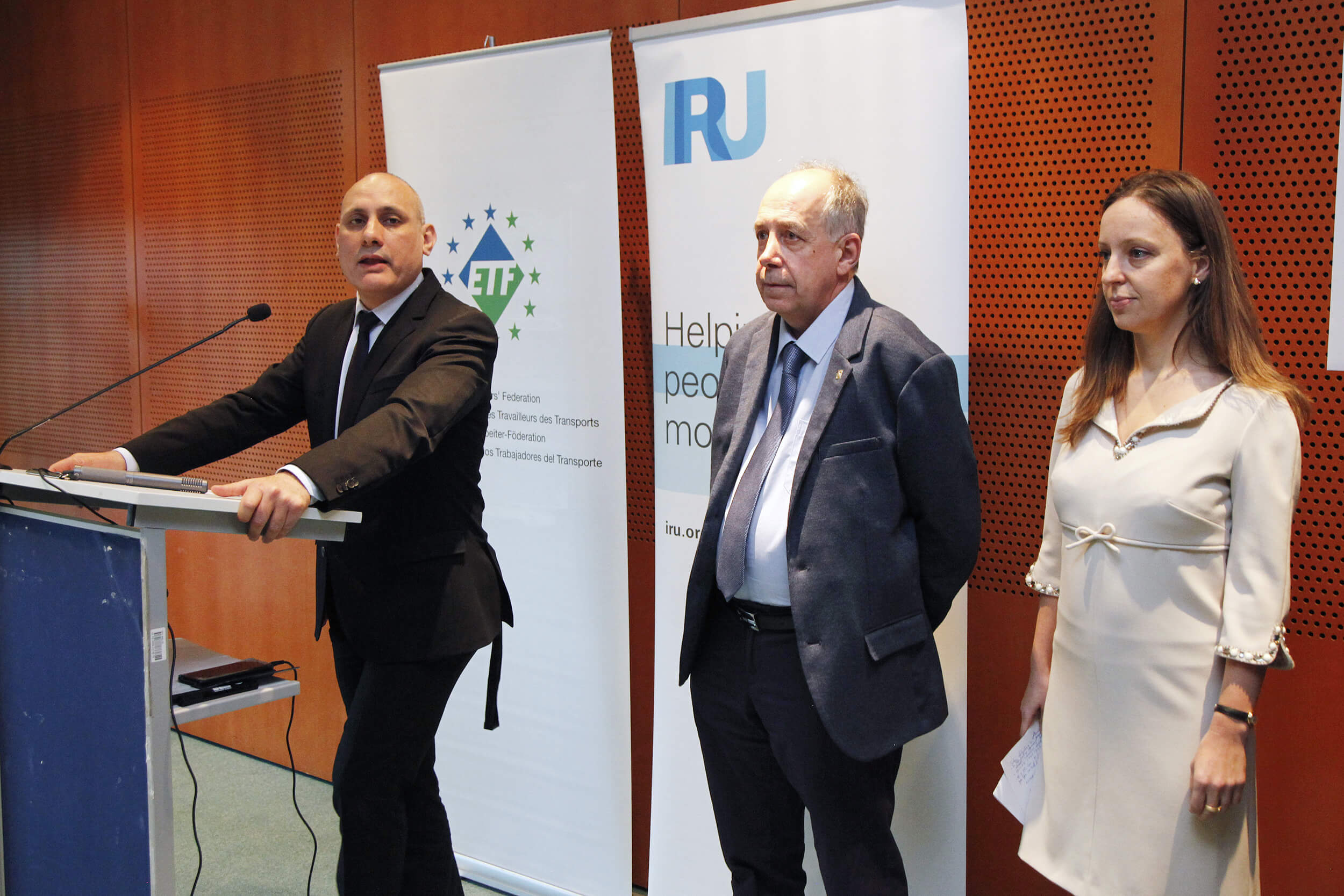
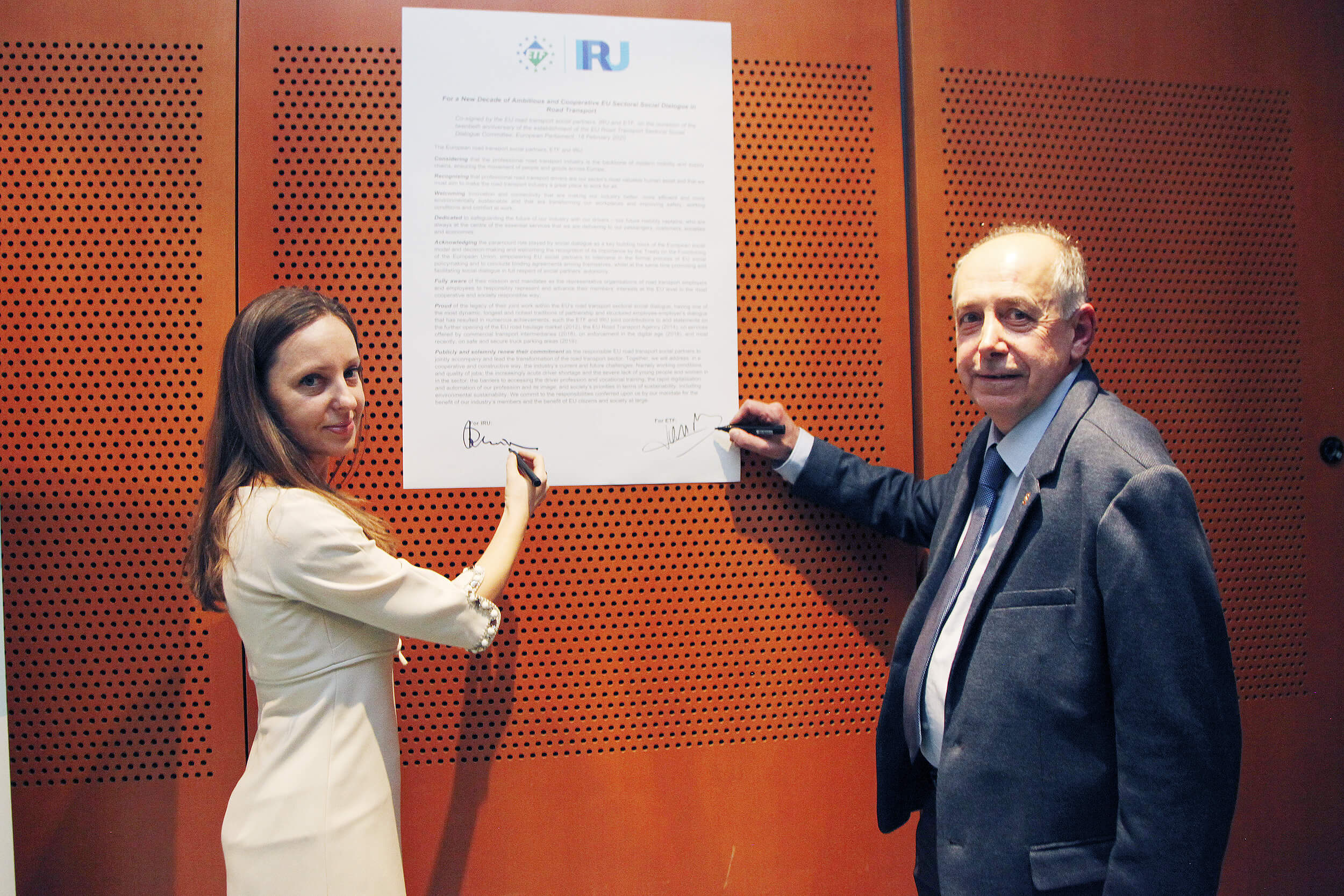
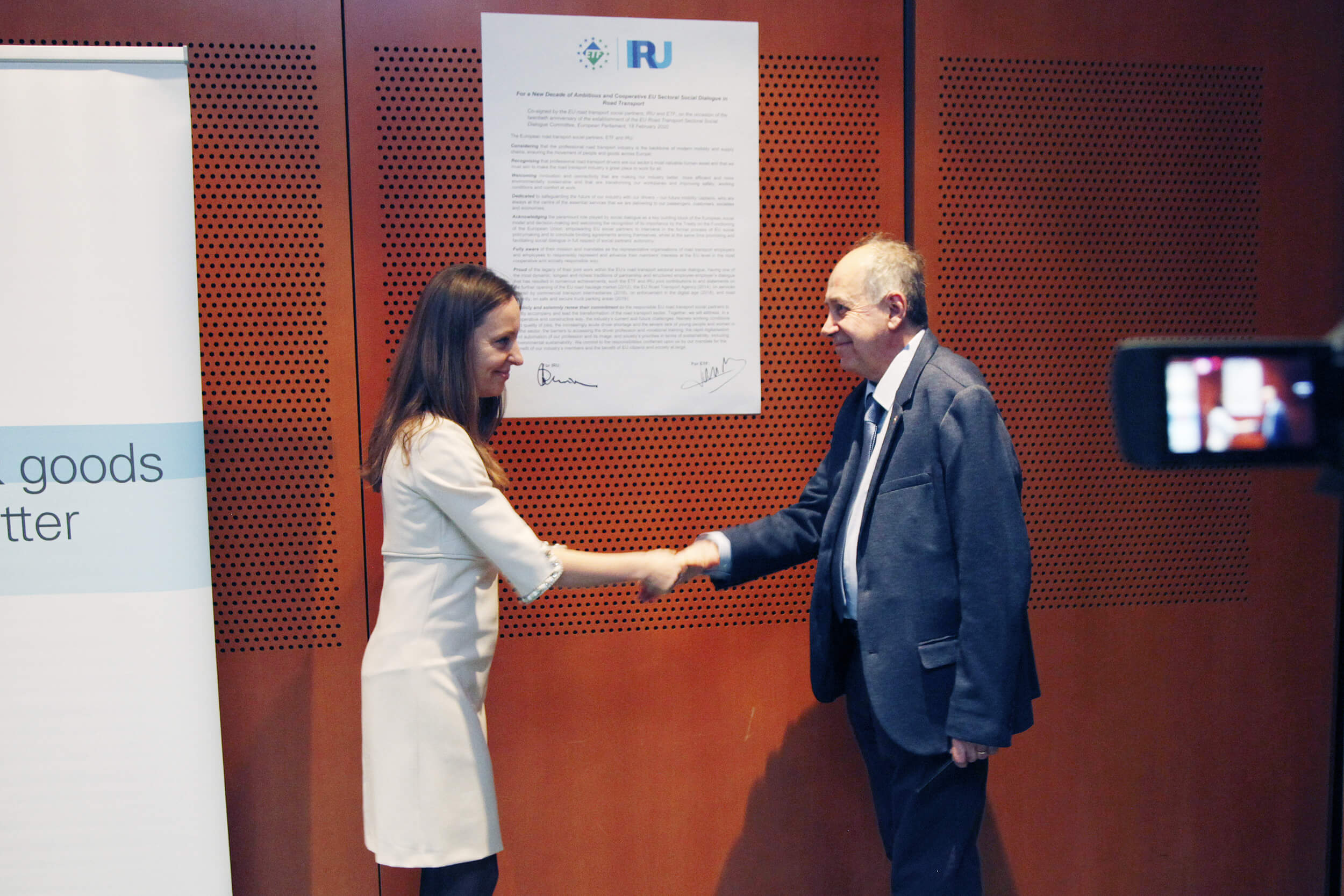
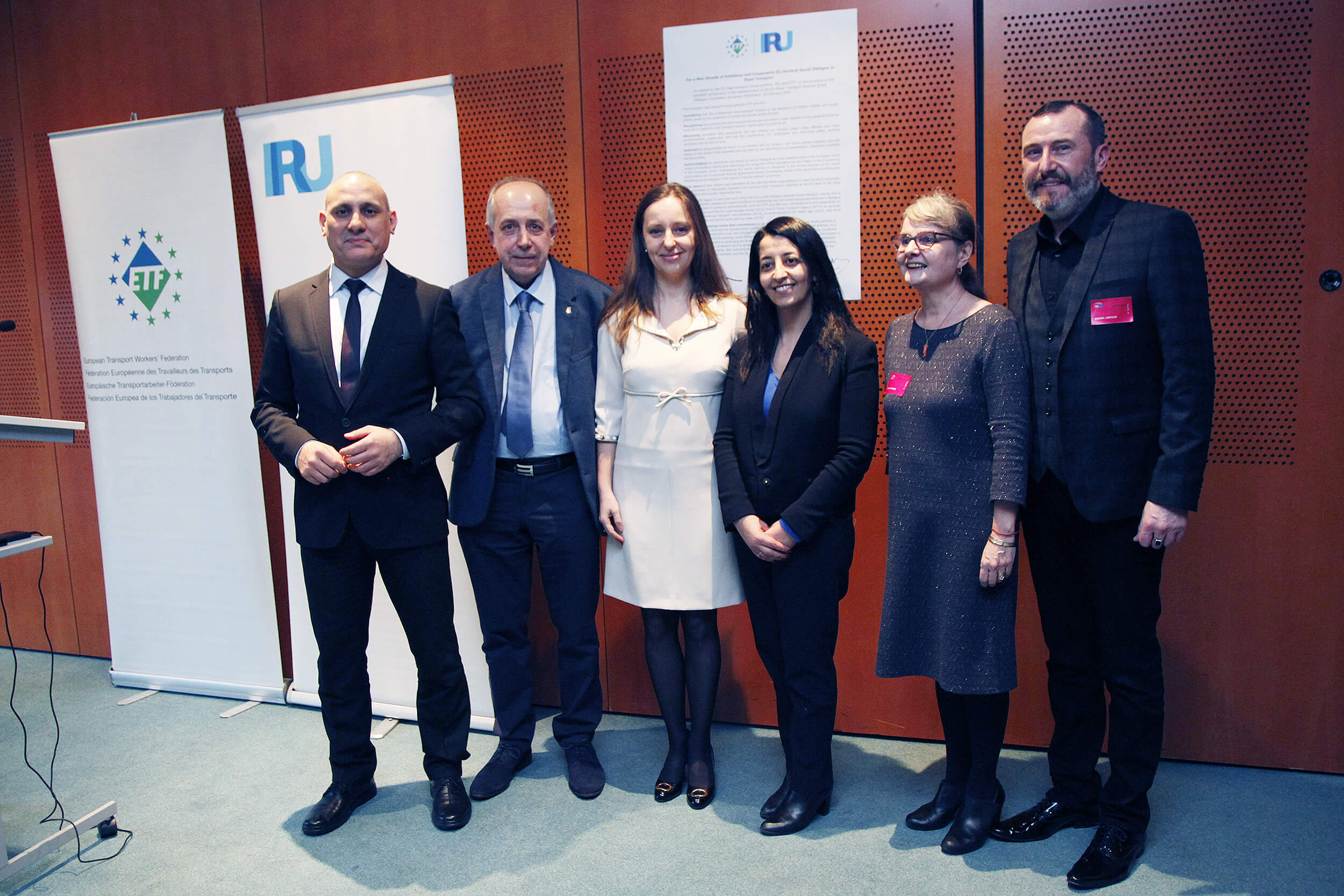
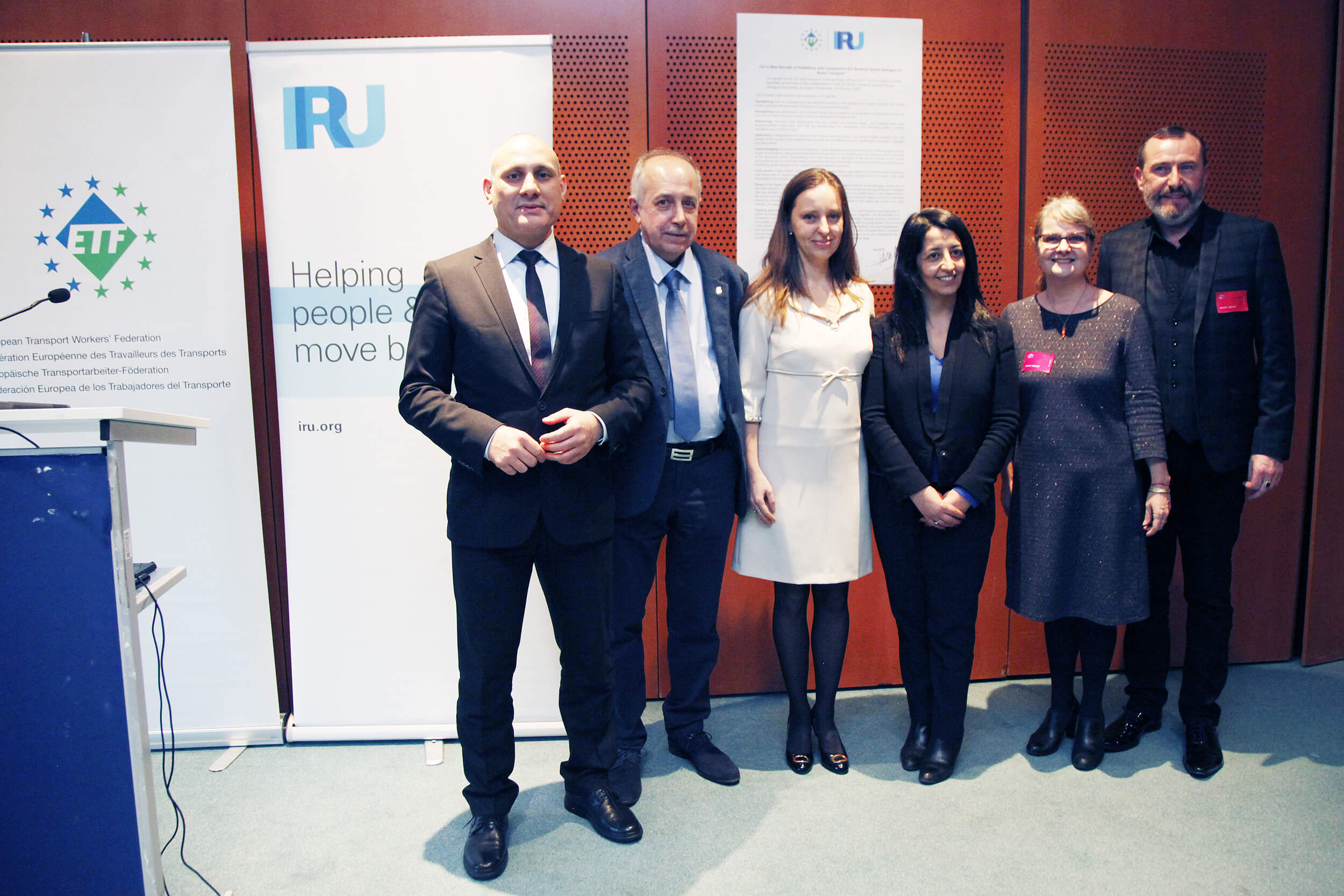
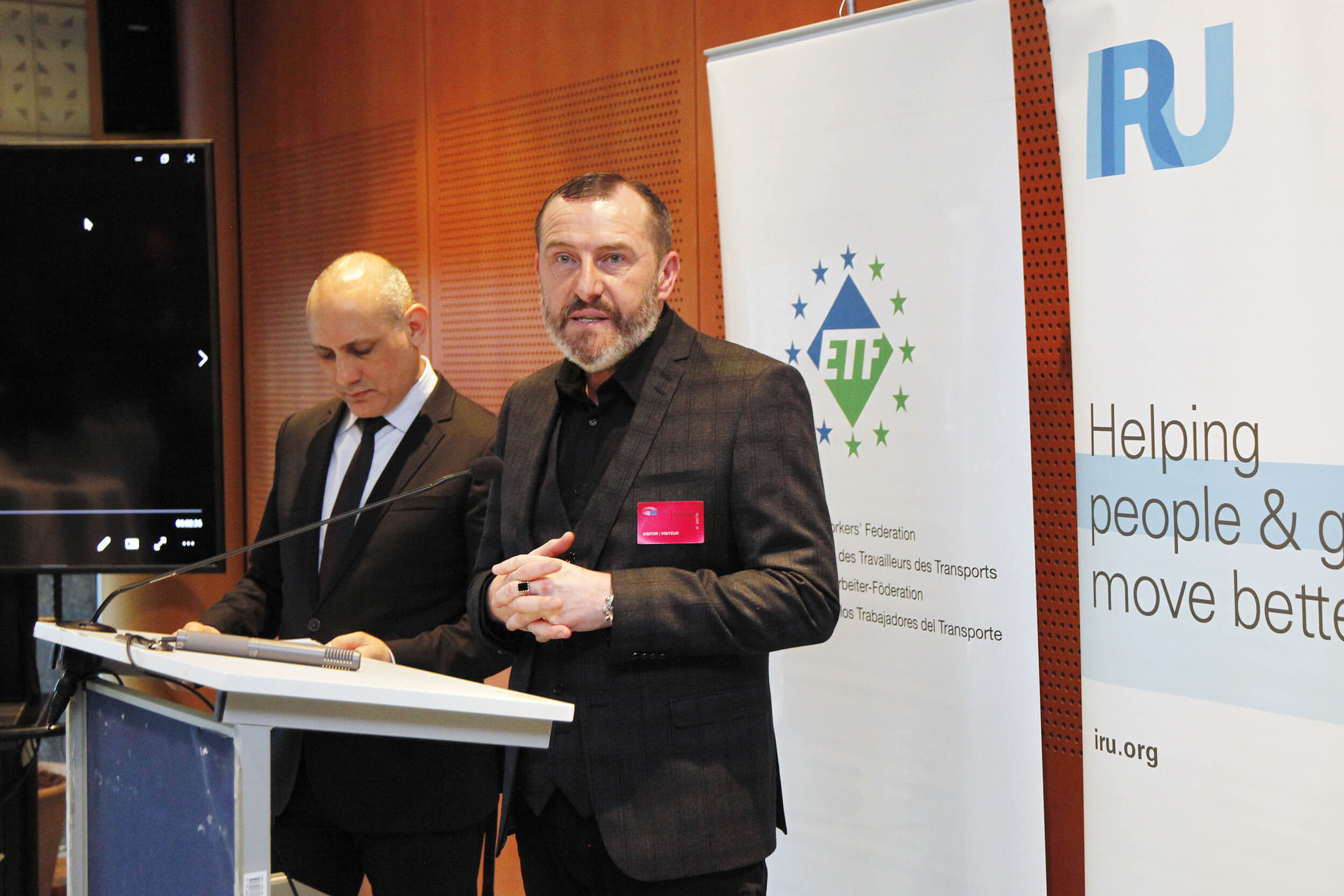
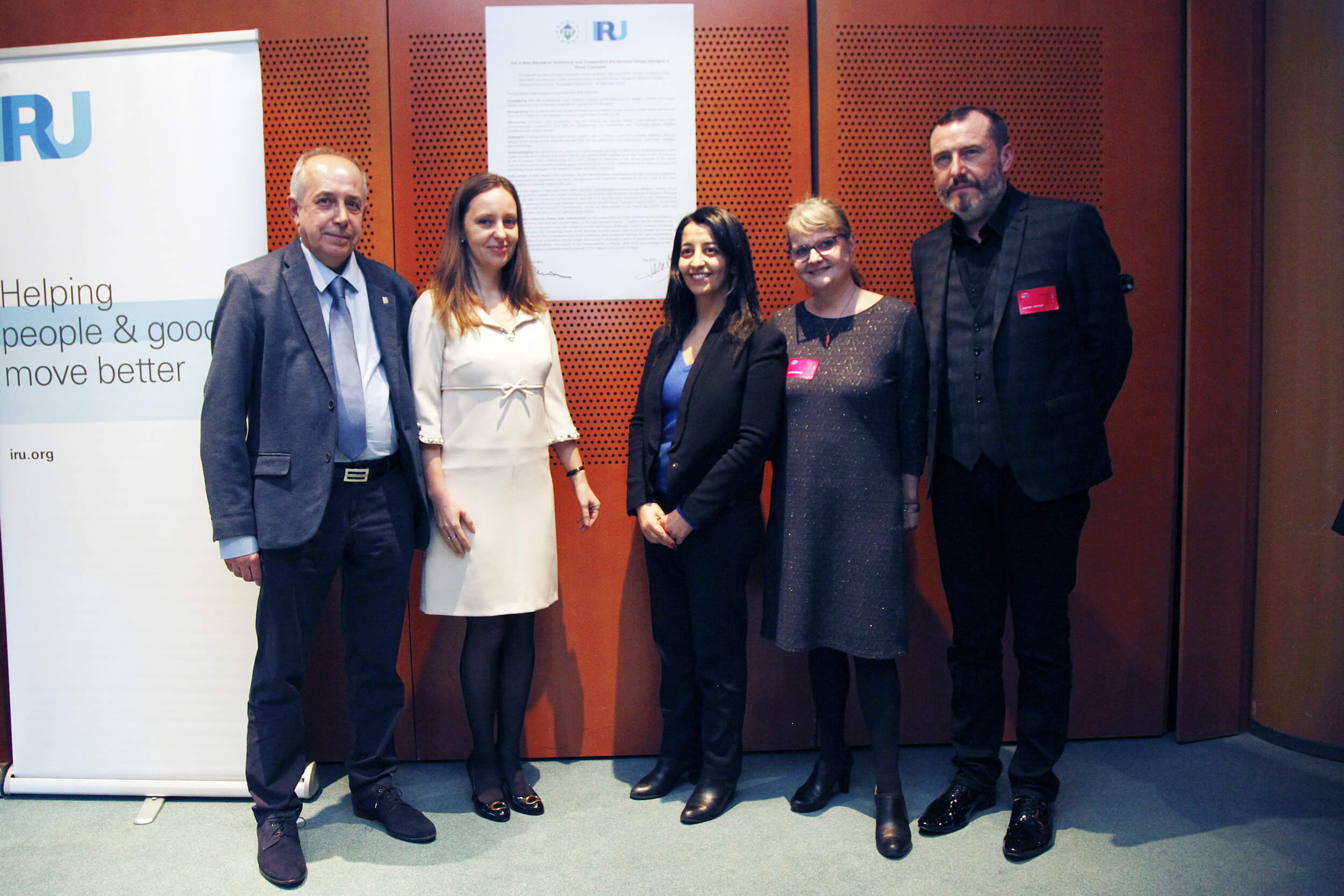
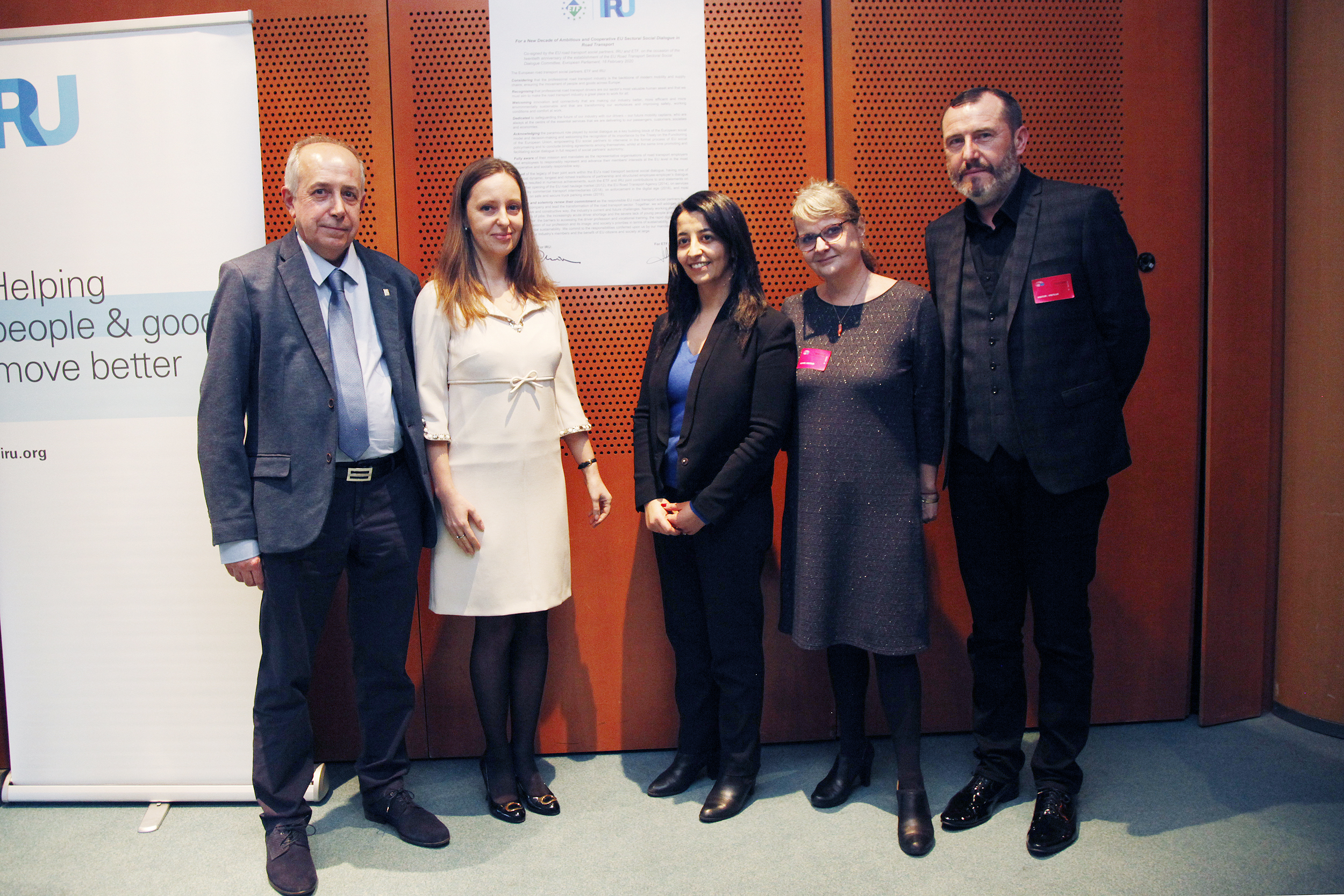
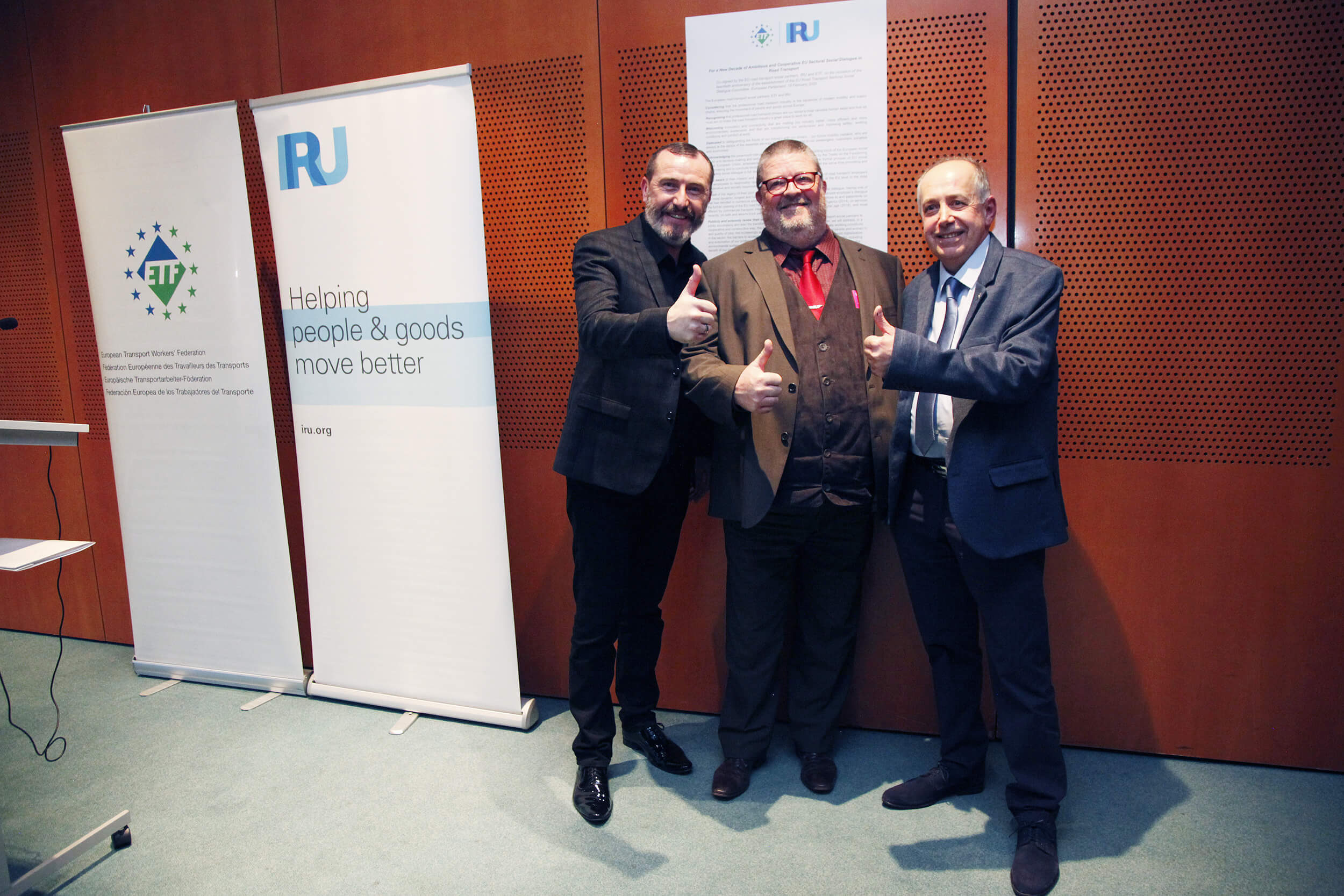
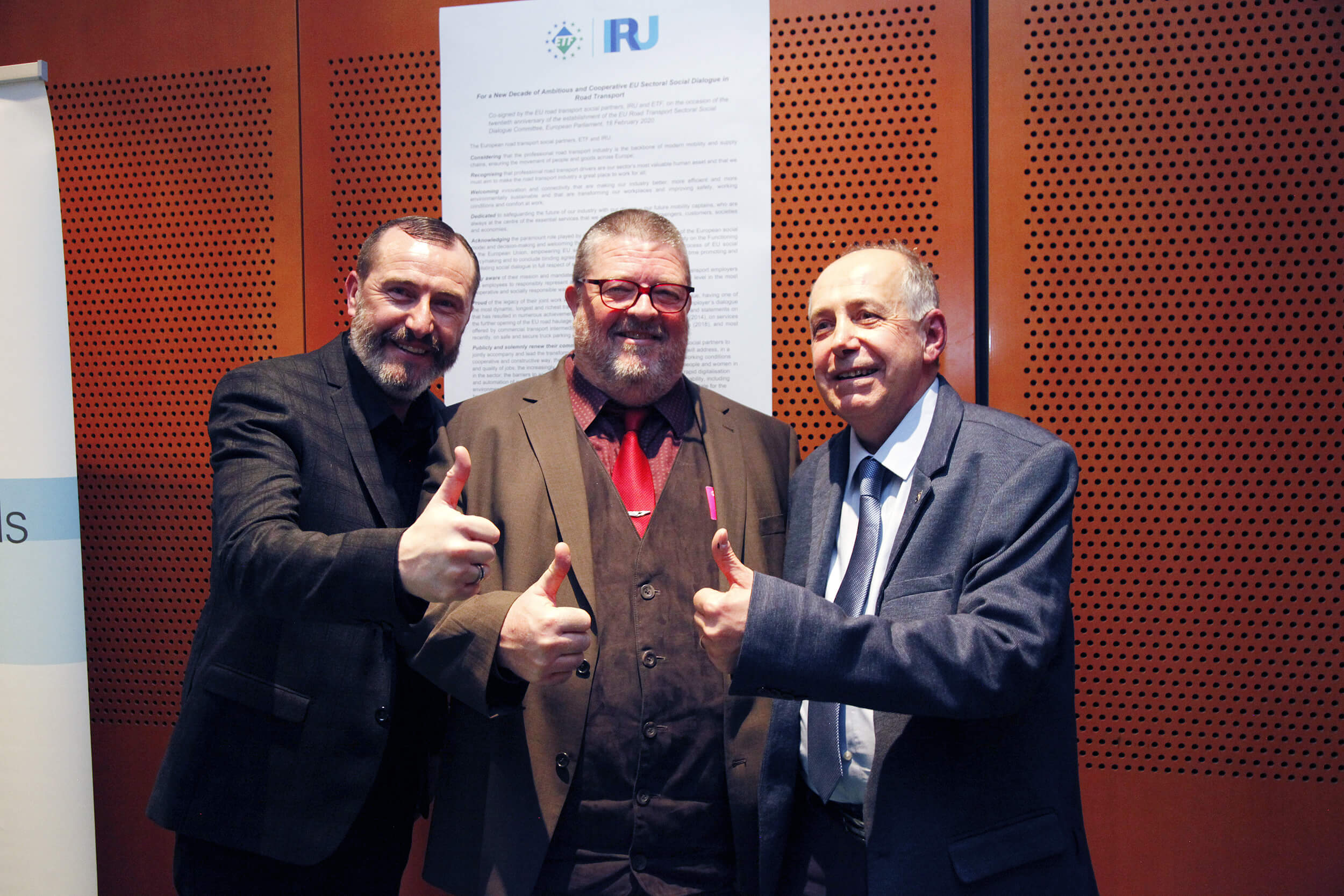
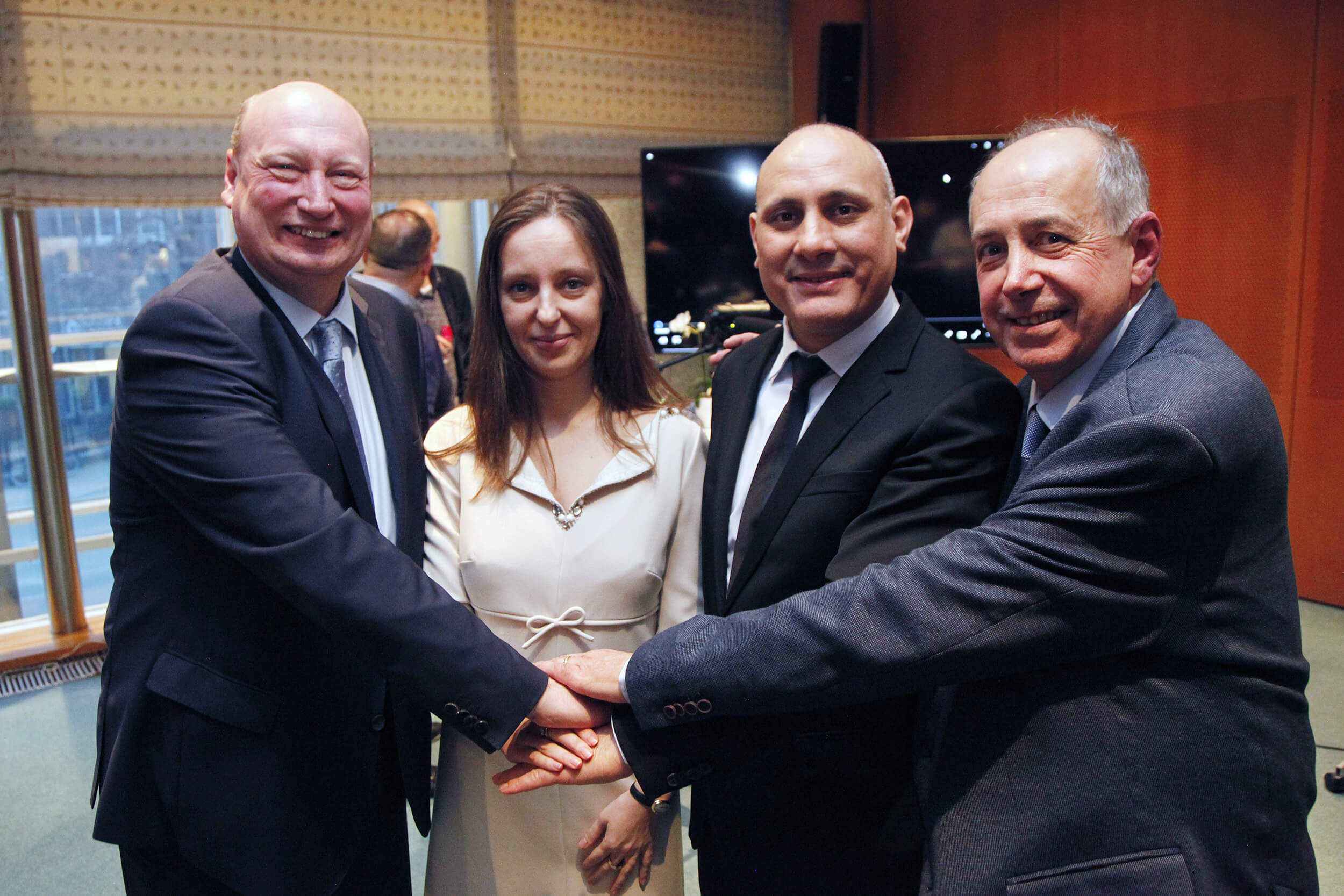
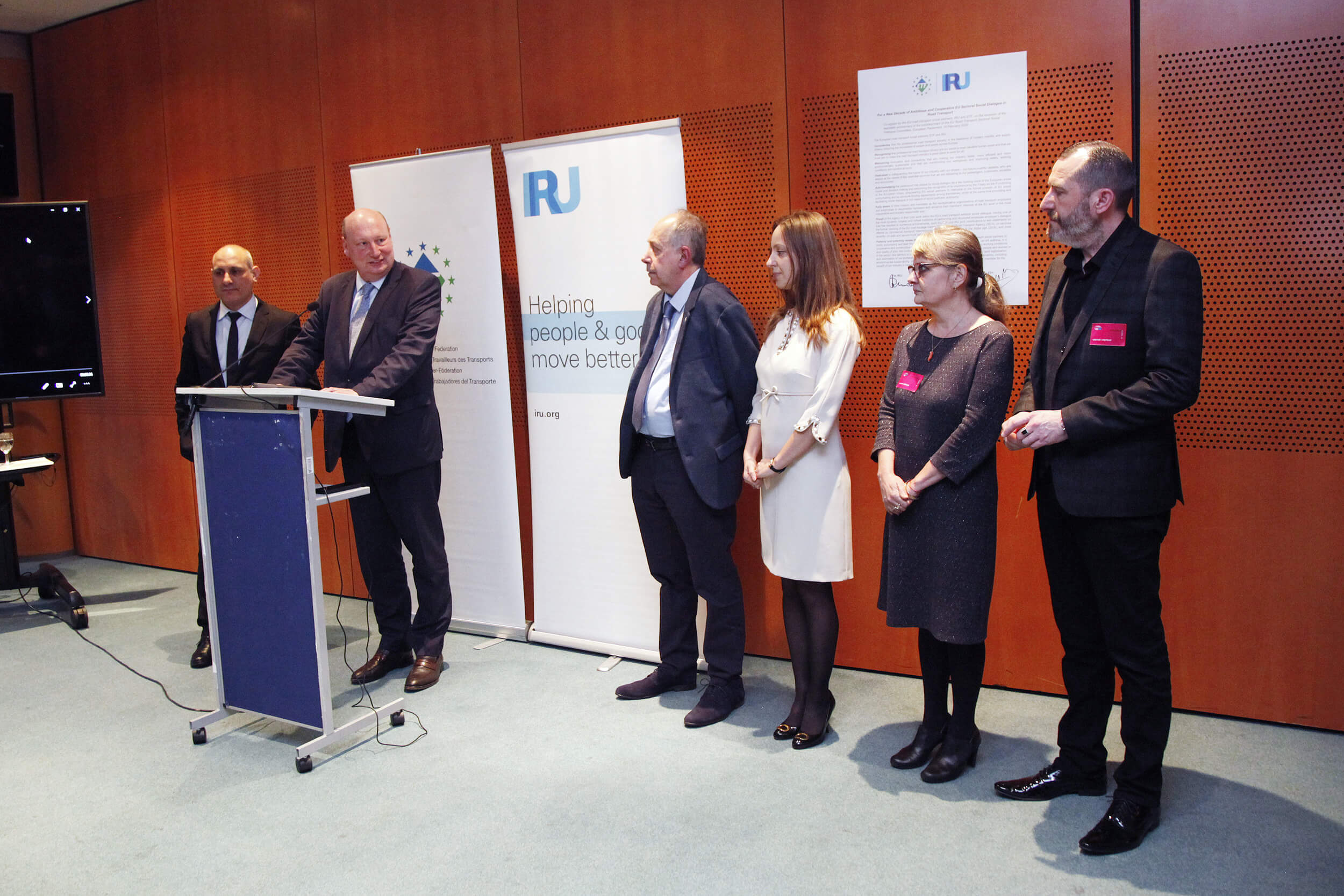
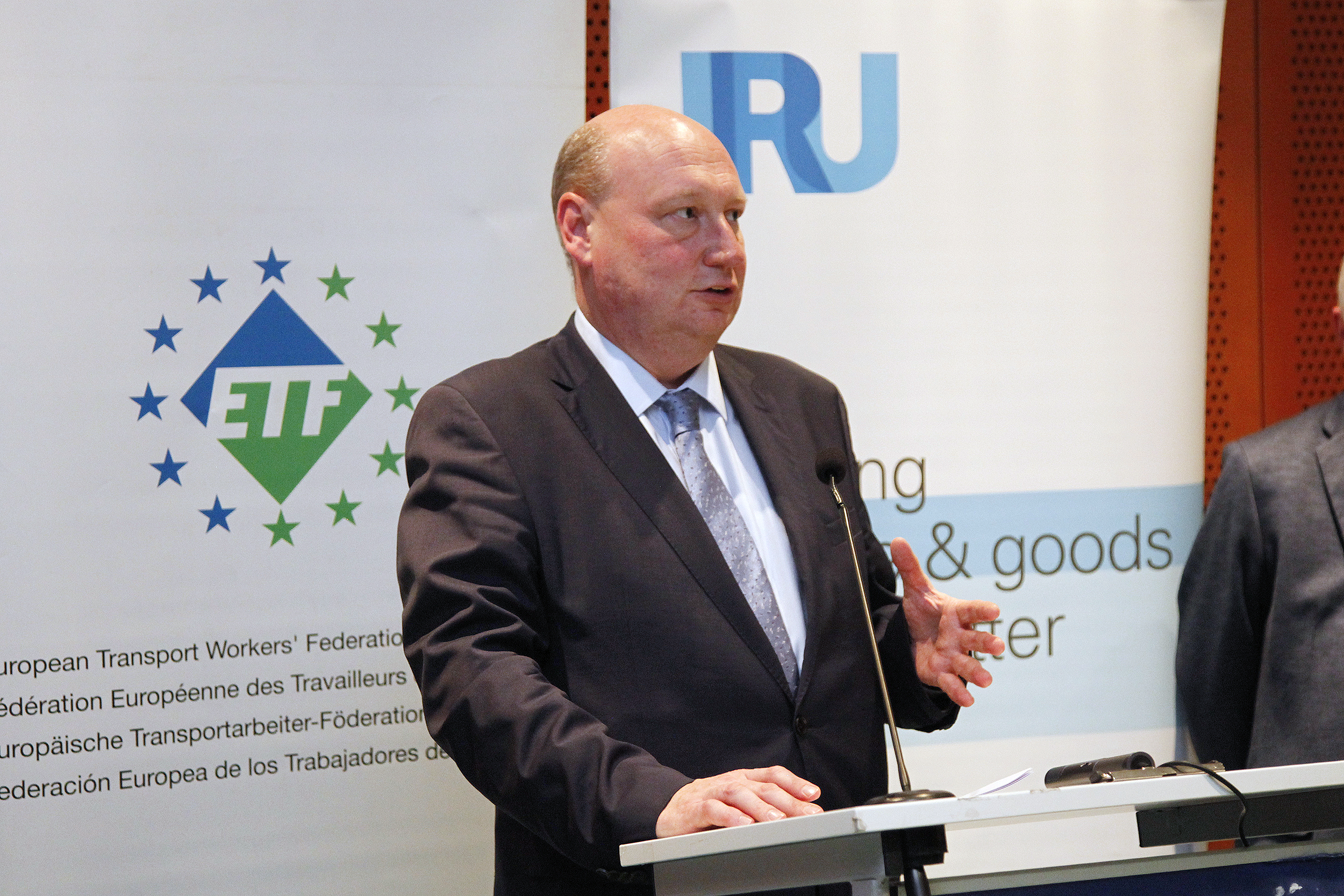
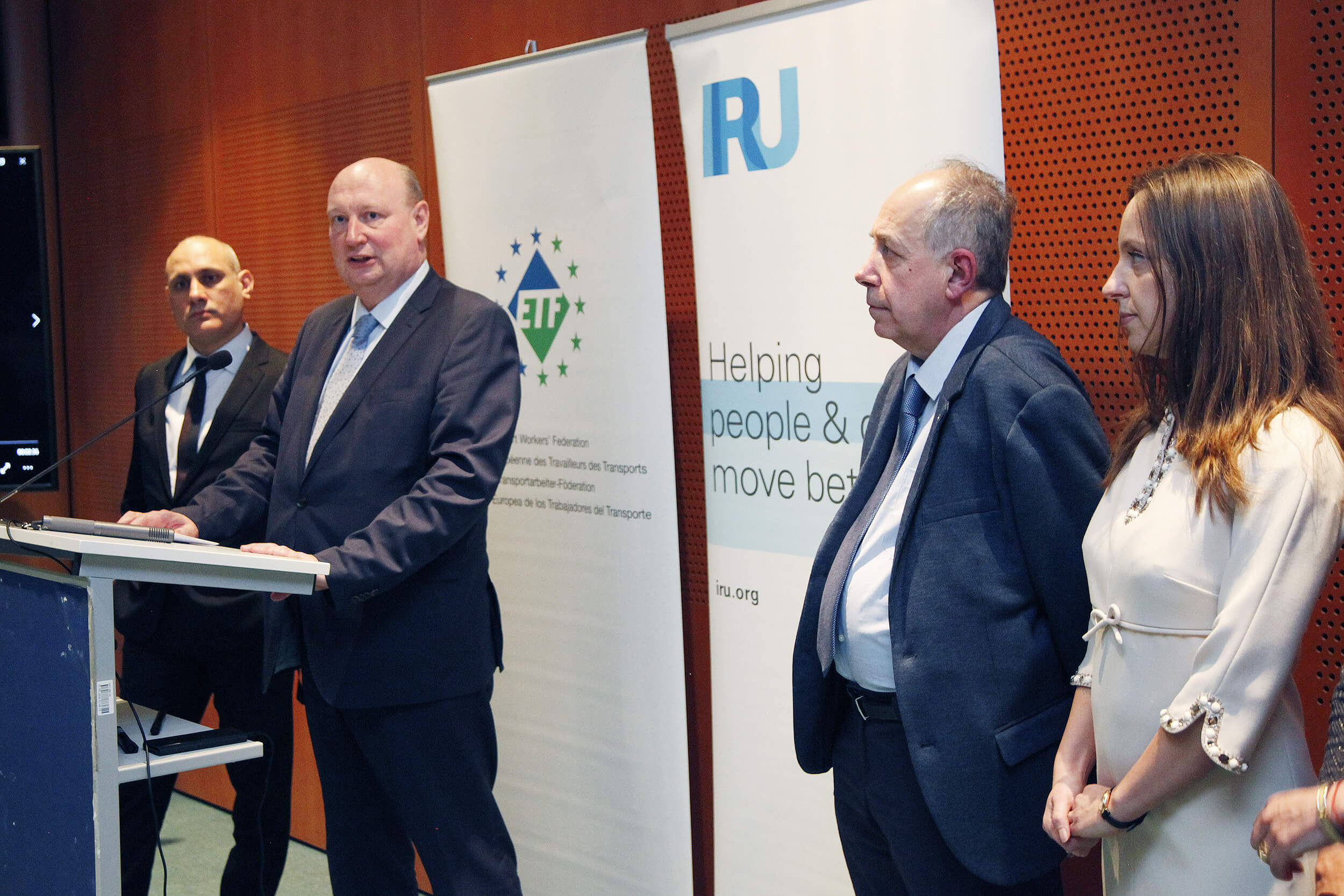
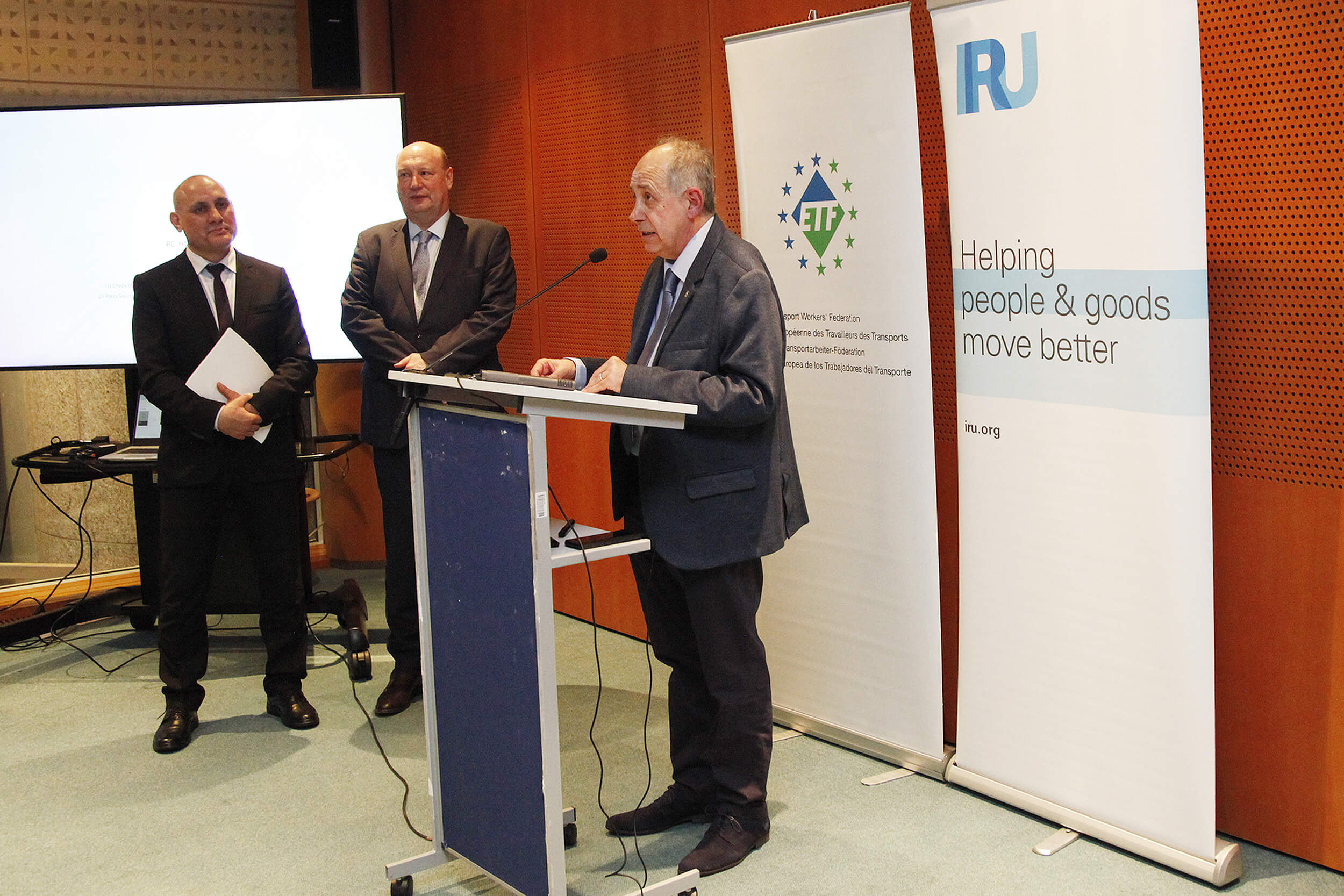
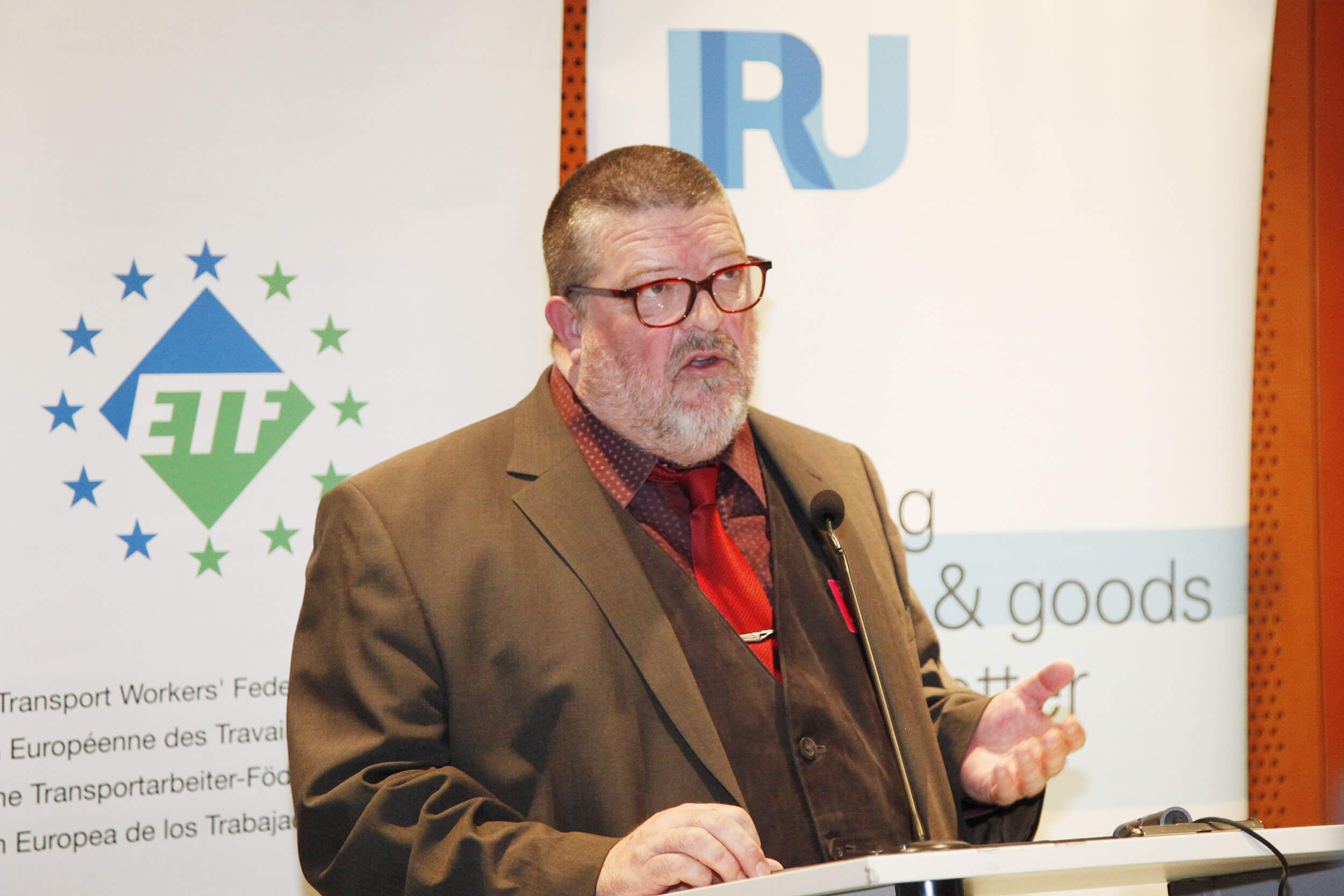
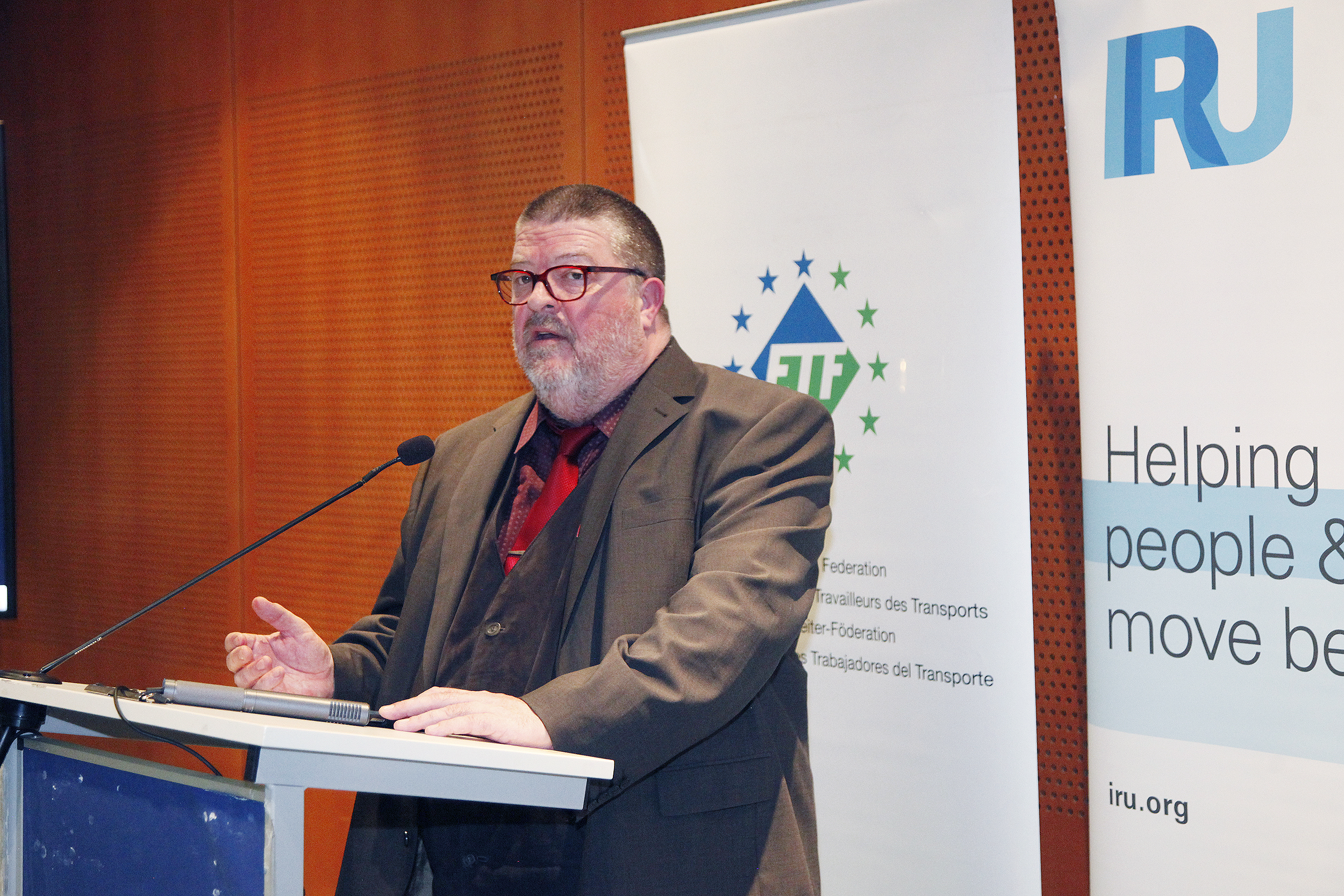
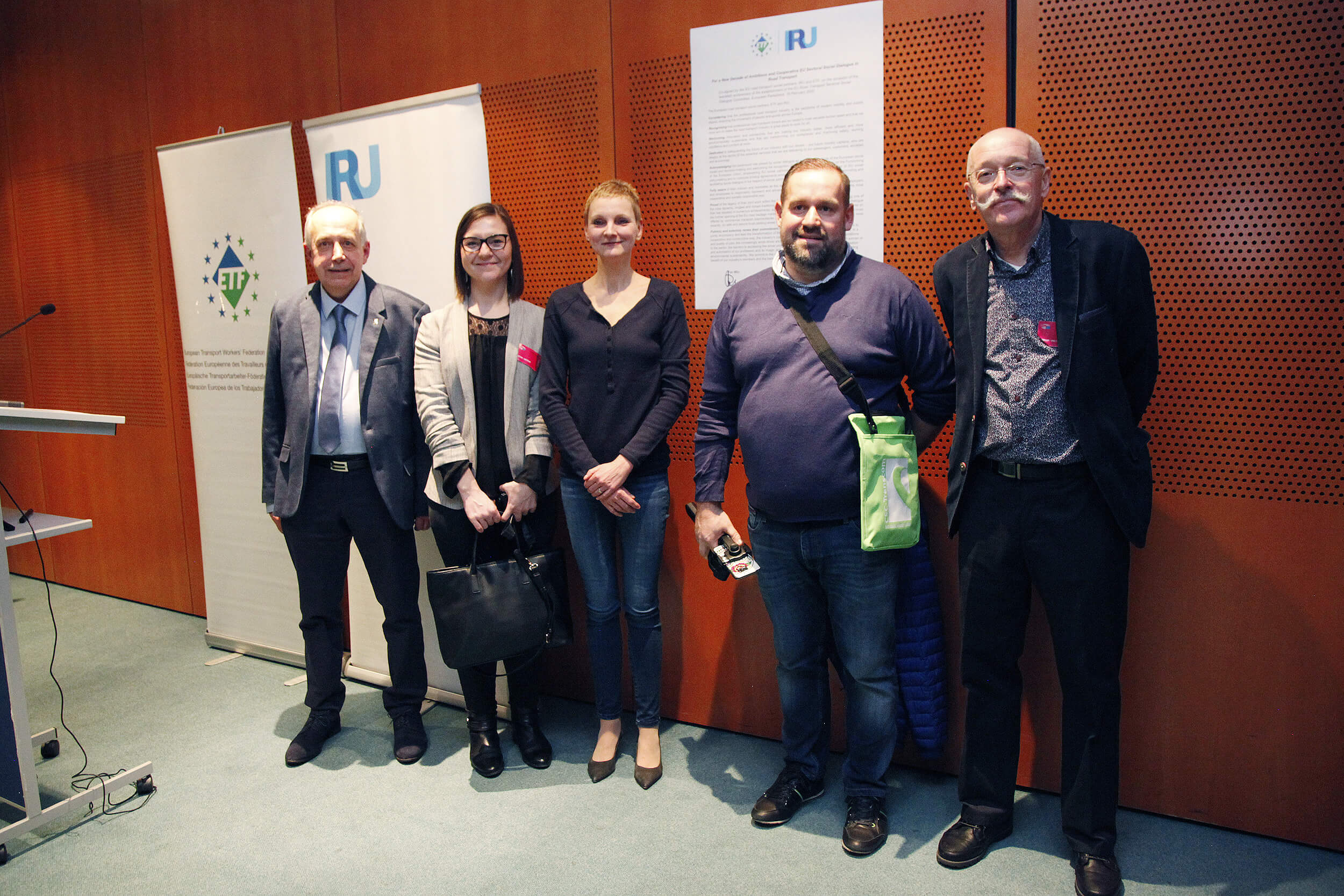
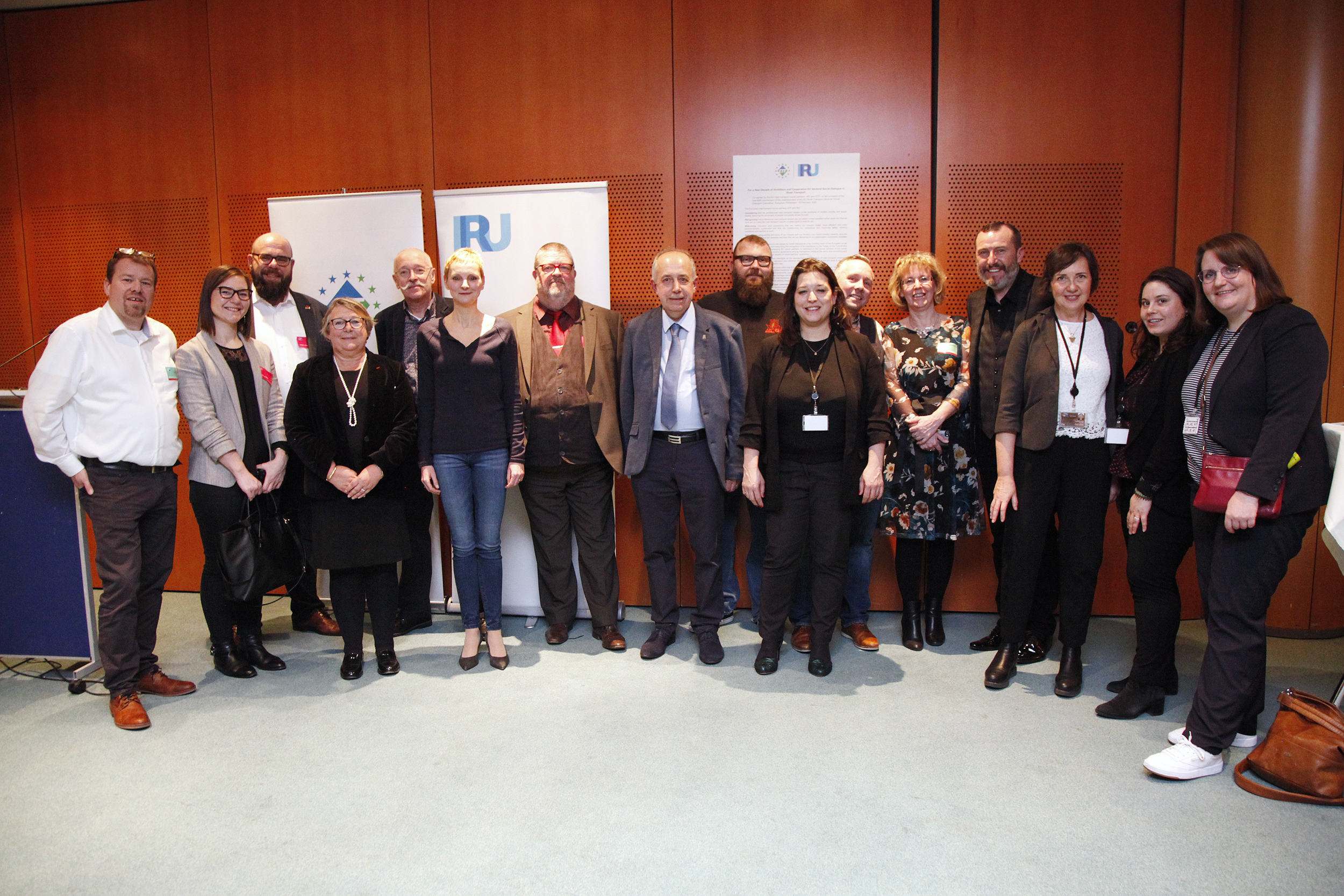
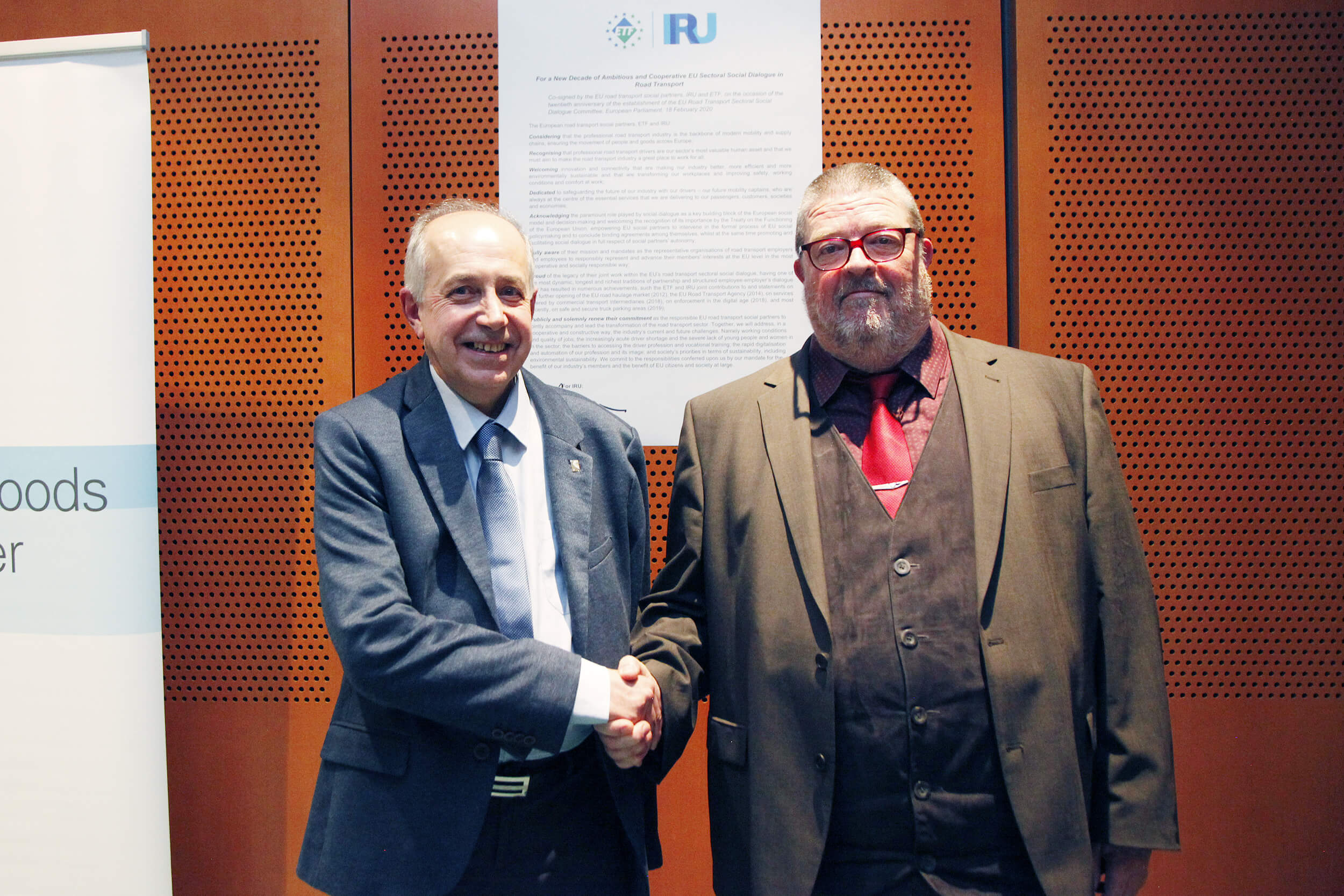
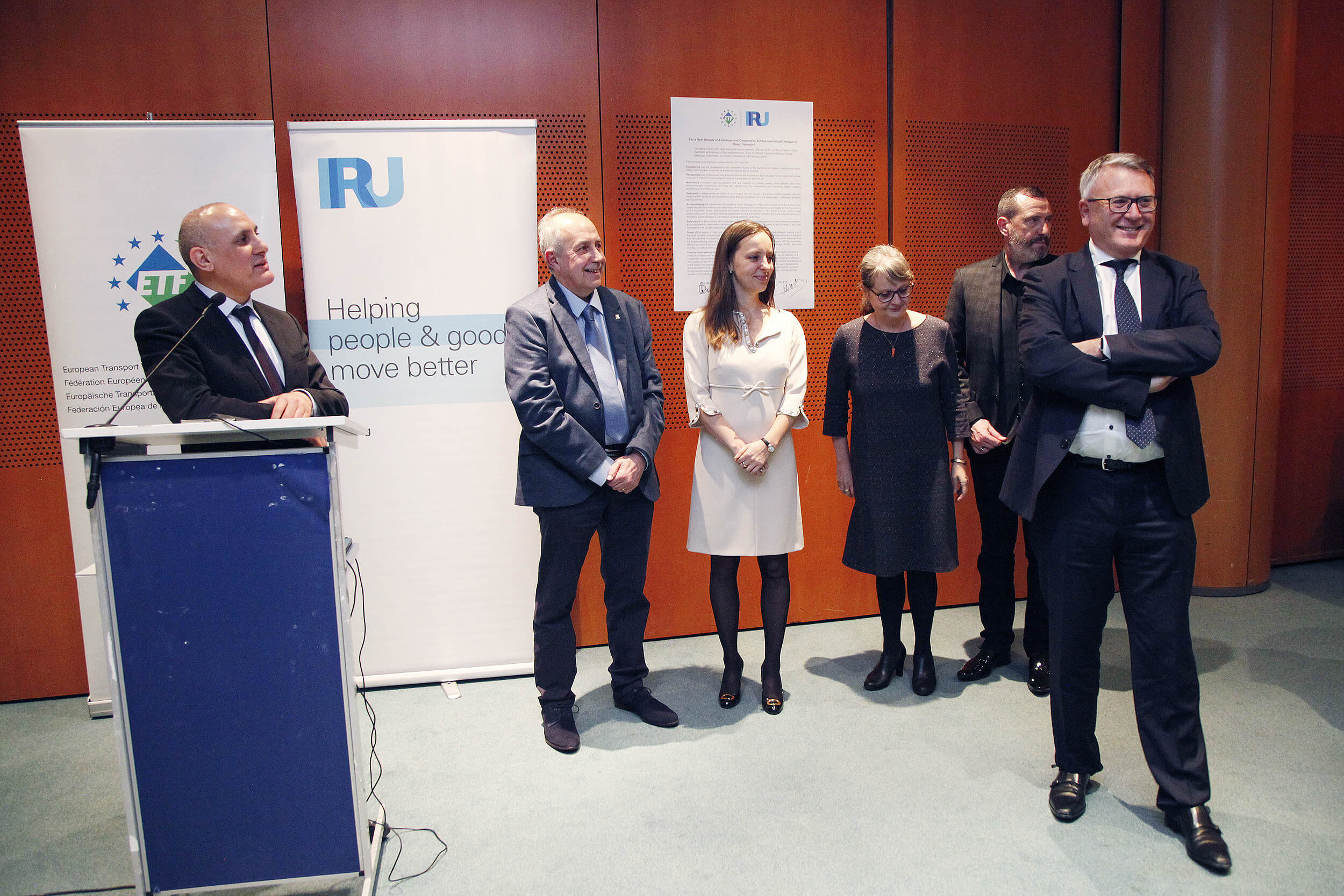
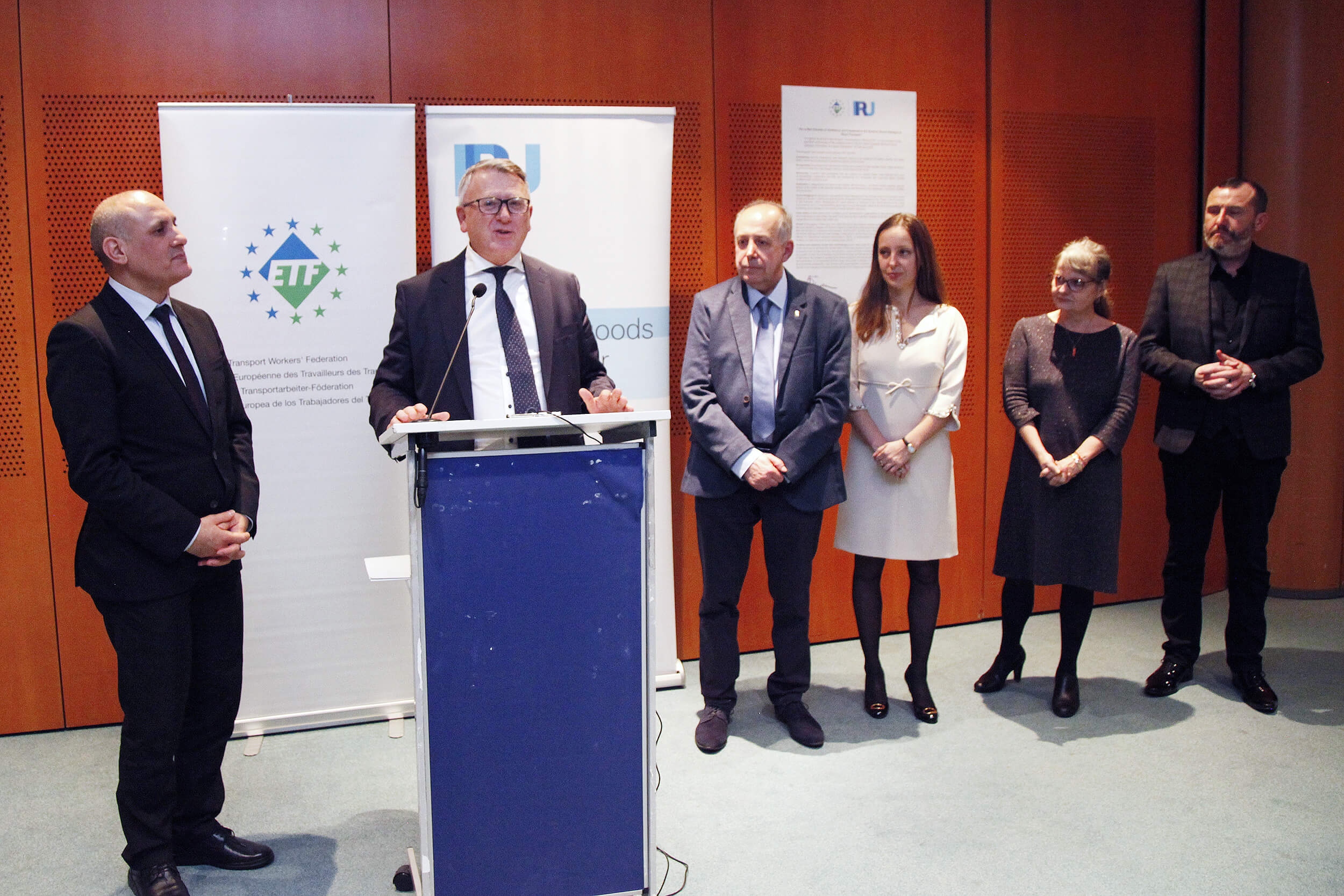
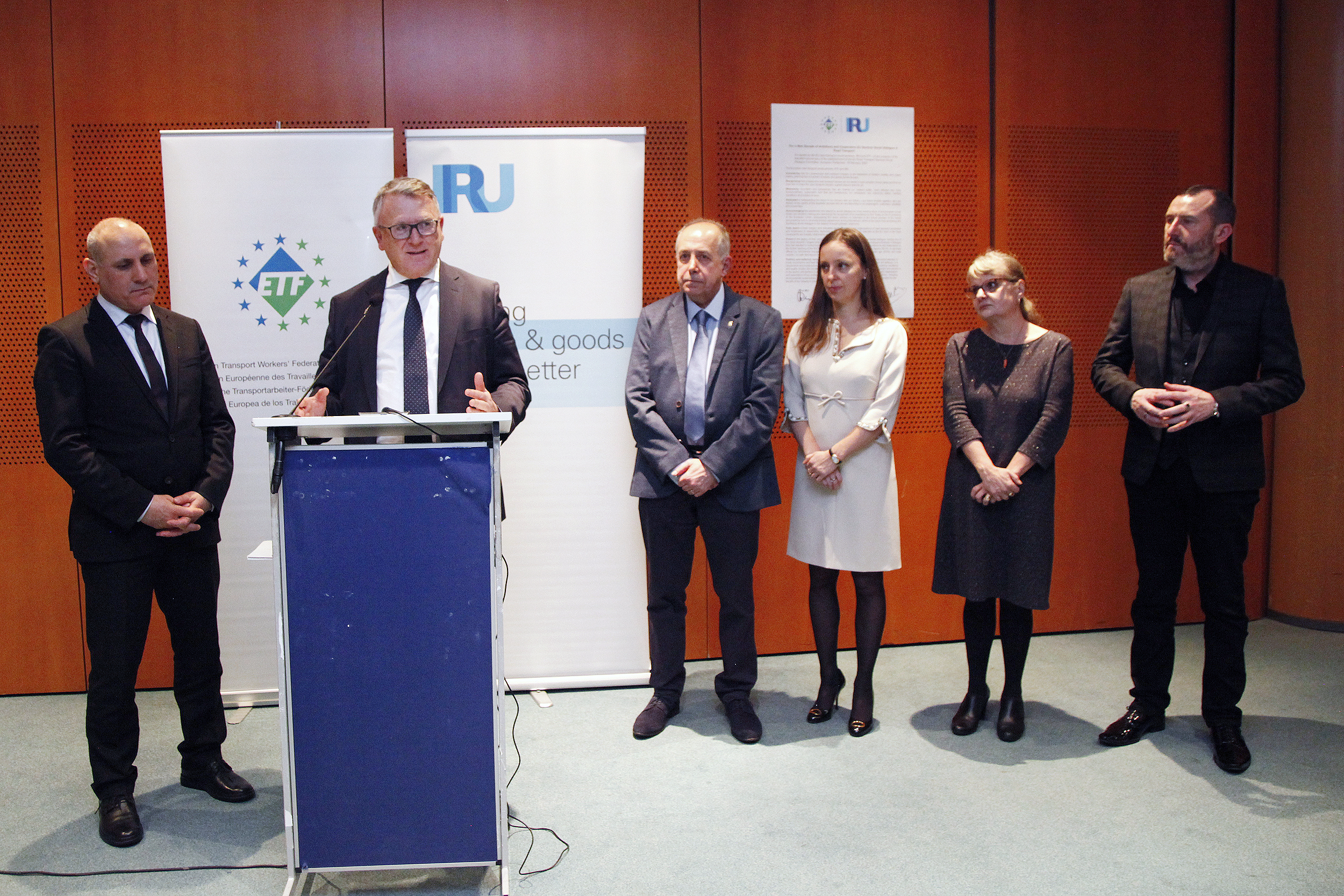
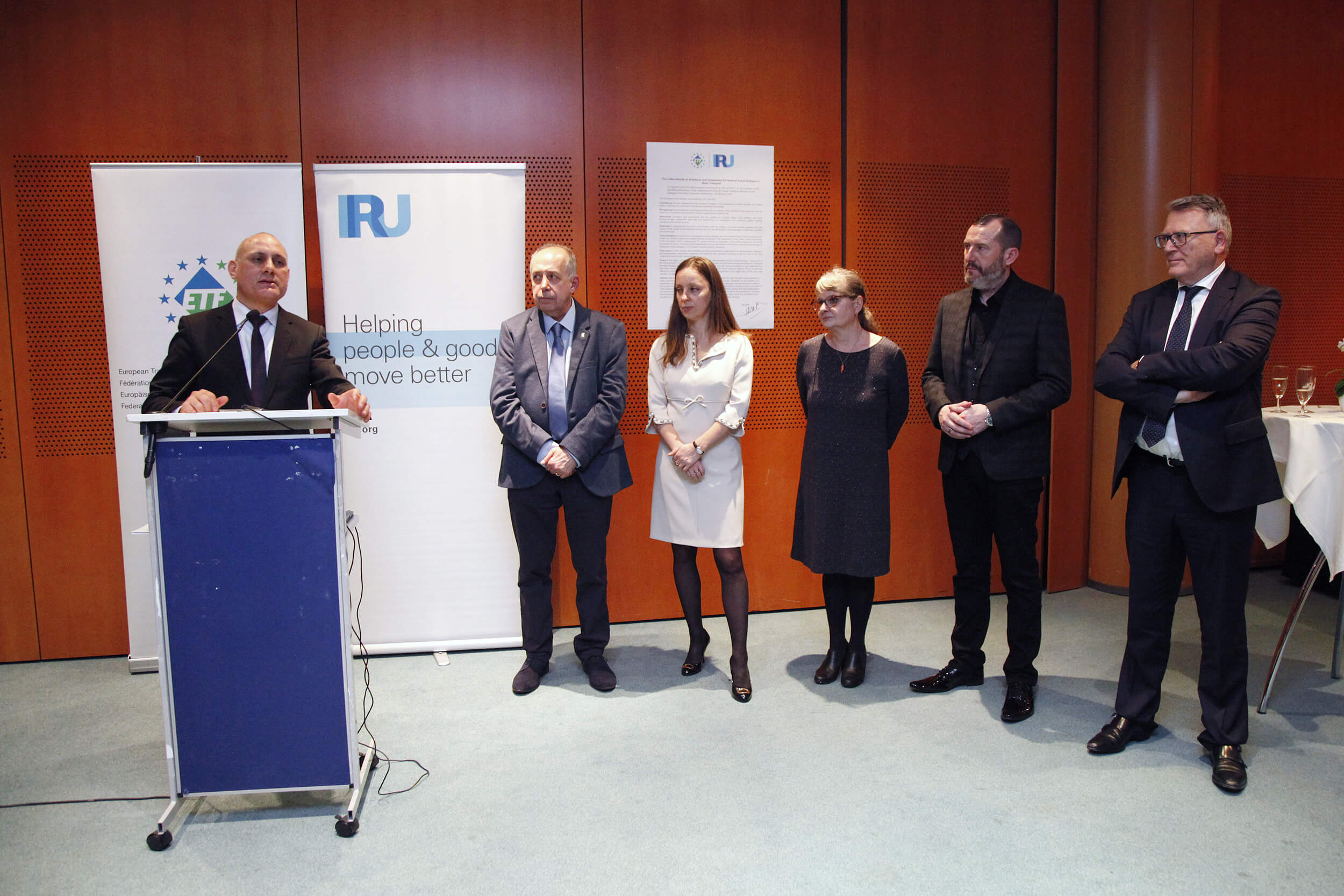
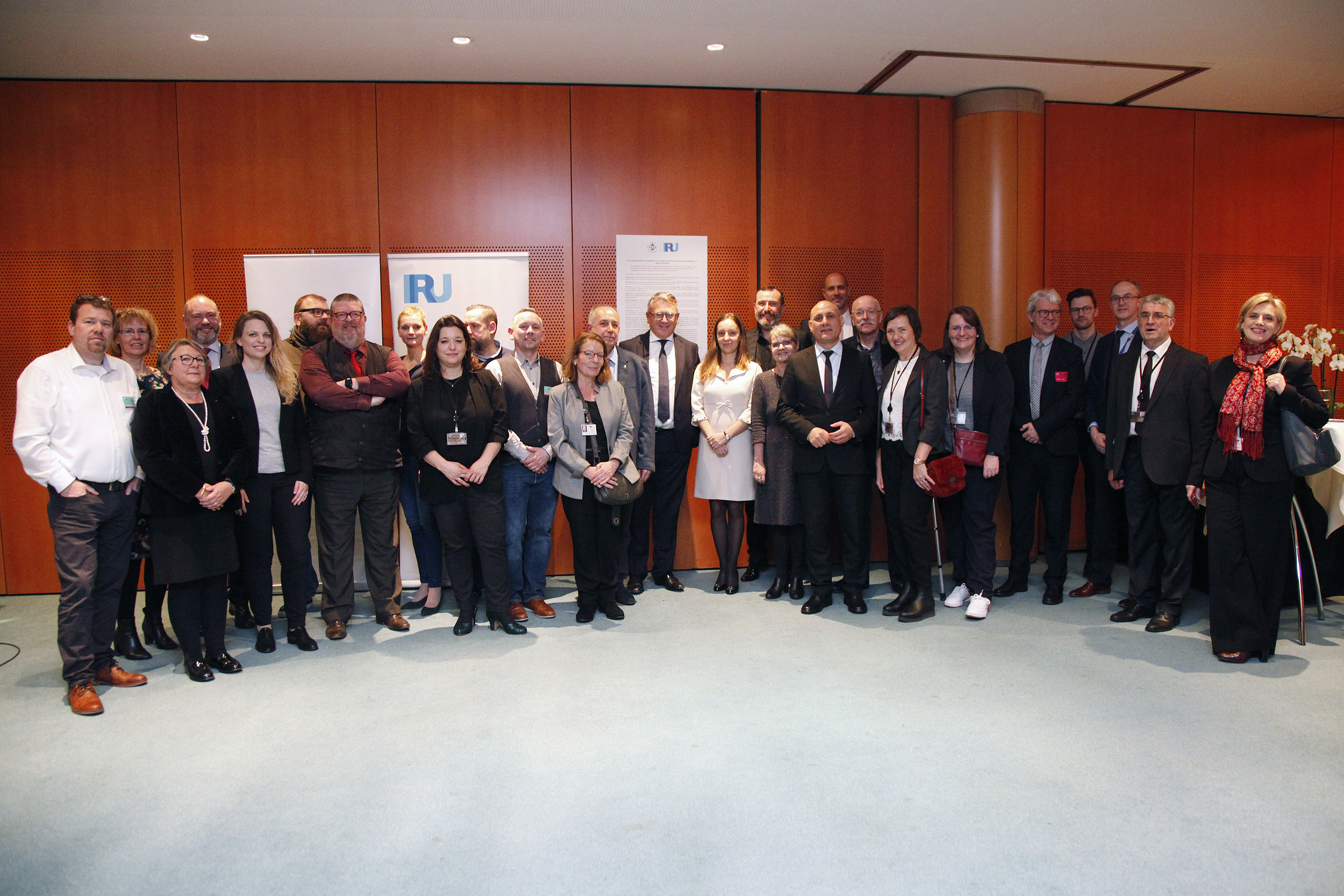
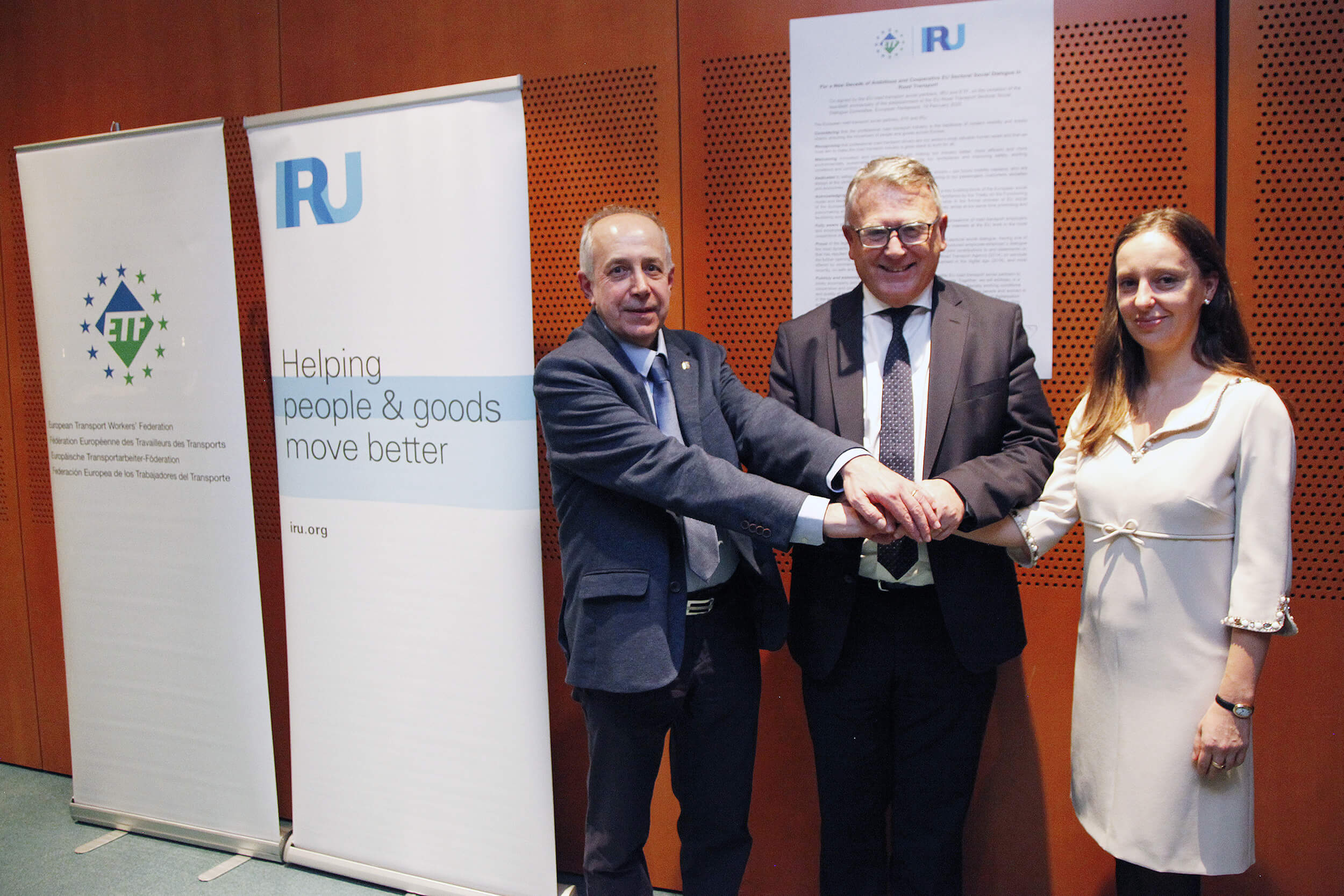
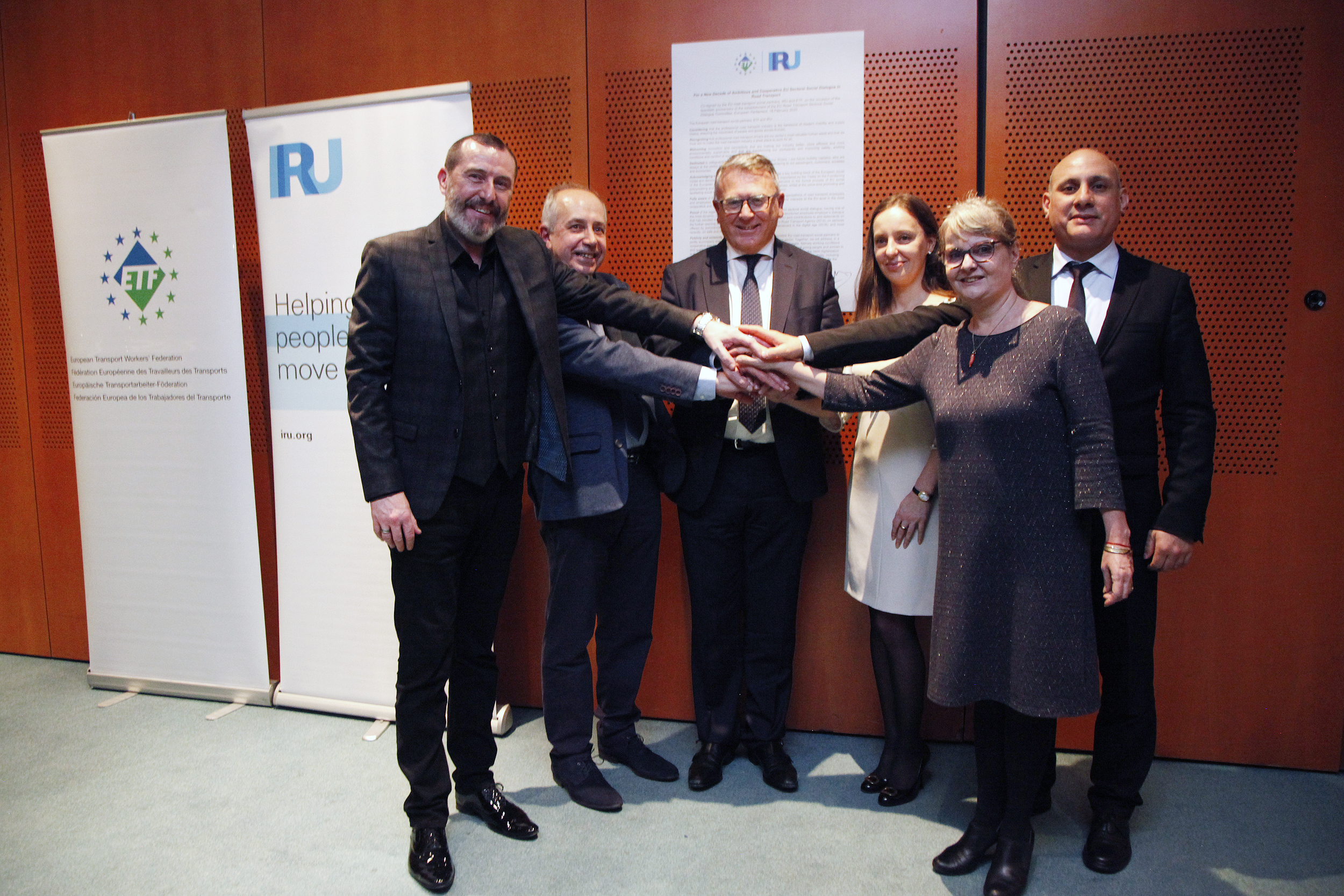
ETF and IRU renewed their commitment as EU road transport social partners on the occasion of the 20th anniversary of the EU Social Dialogue Committee for Road Transport, celebrated yesterday in the European Parliament.
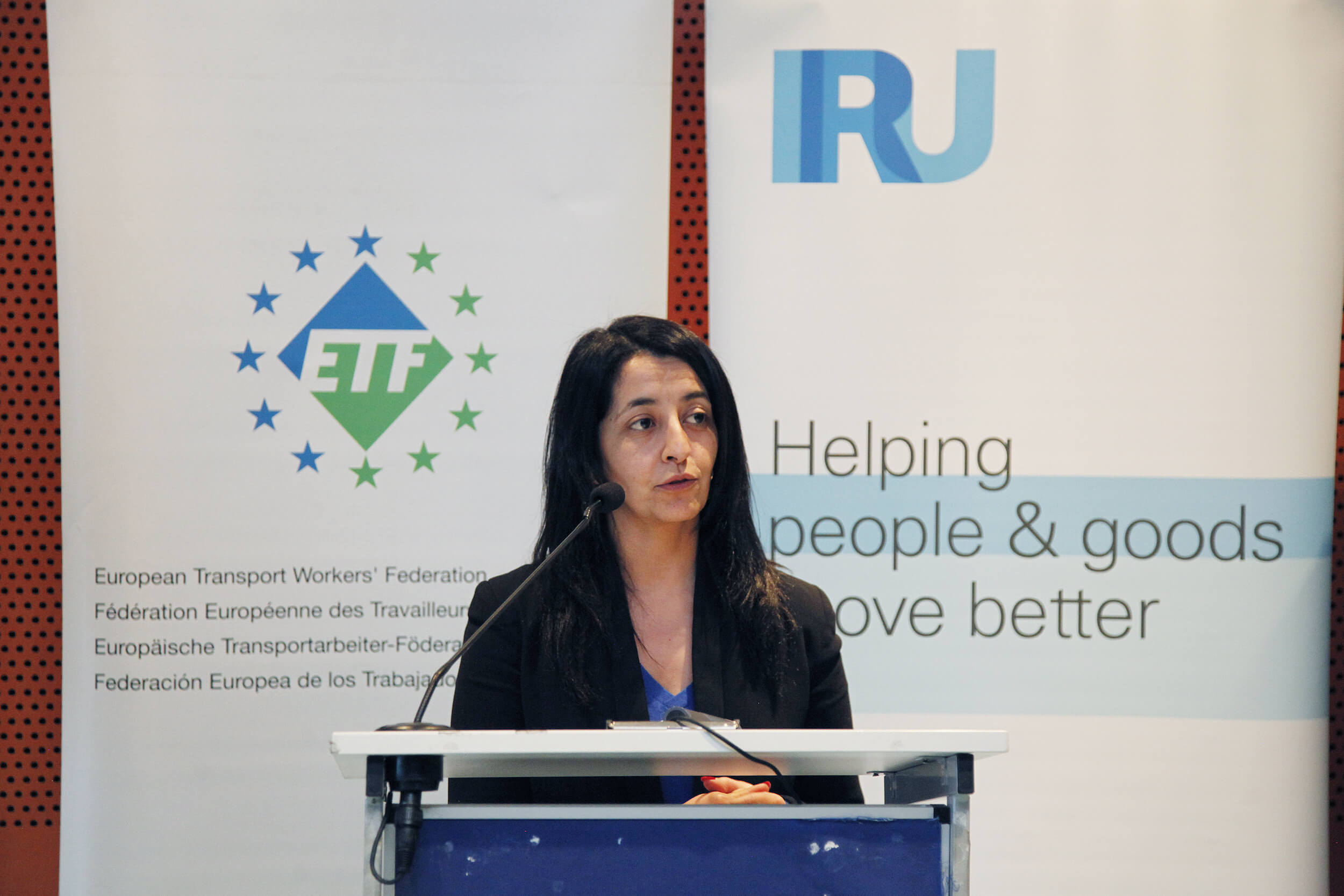
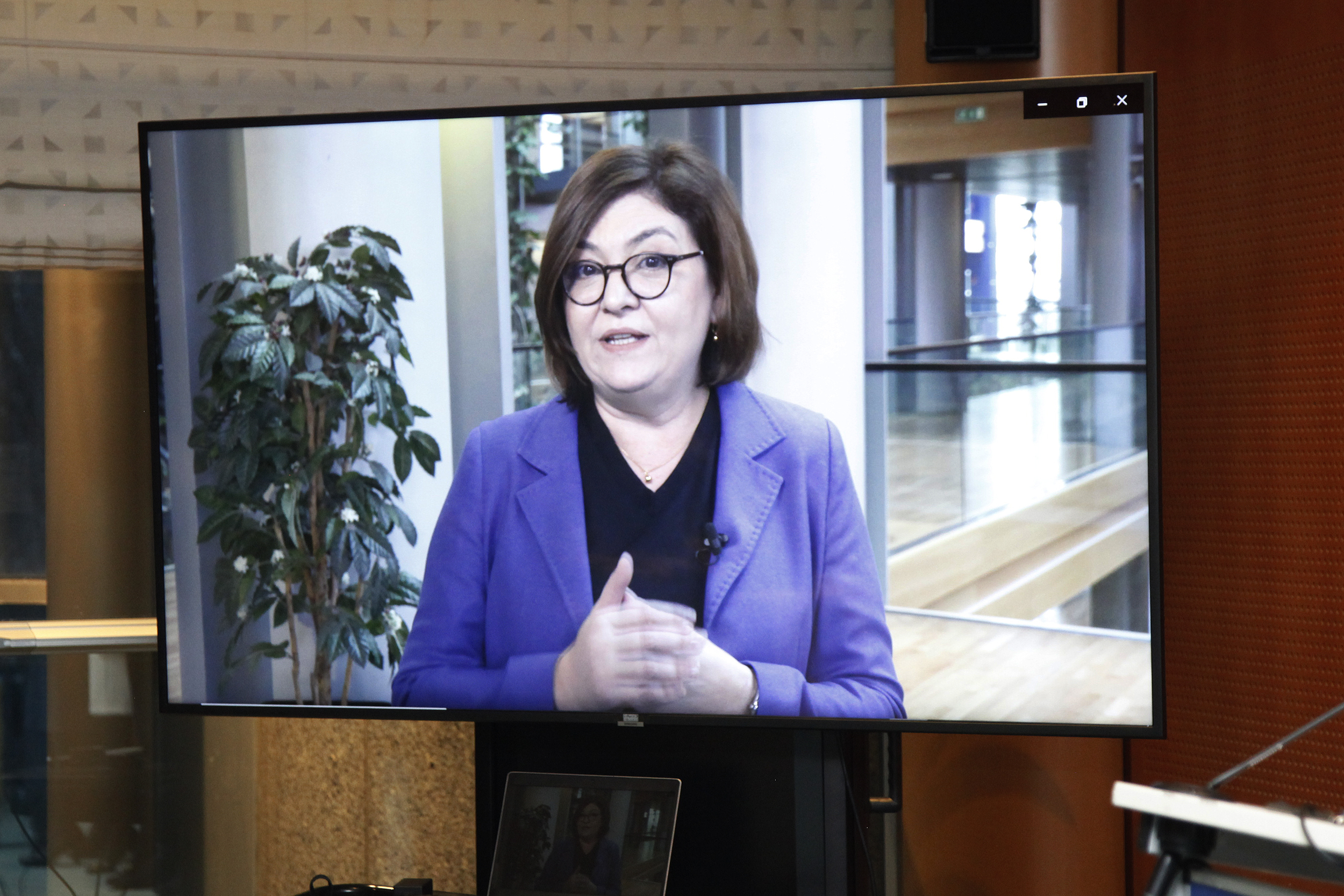
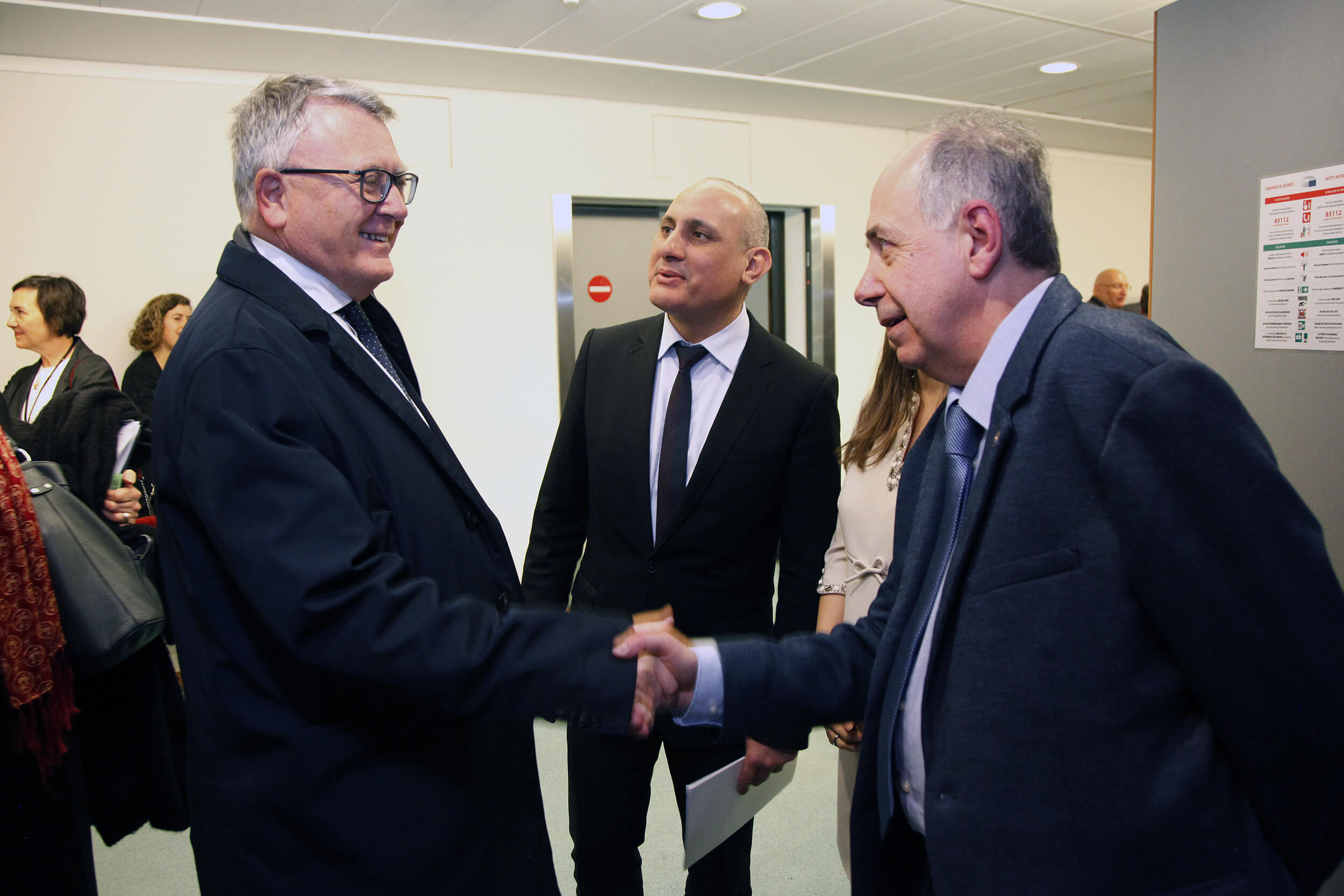
The event was hosted by MEP Ismail Ertug, and featured as speakers key figures in EU transport and employment including the Commissioner for Employment, Mr. Nicolas Schmit, Chair of the EP TRAN Committee, Ms. Karima Delli, and Director General of DG Move, Mr. Henrik Hololei.
ETF and IRU reminded the EU officials that driver shortage is alarmingly increasing in the EU, with 20% of unfilled drivers’ positions in passenger and goods transport in 2019. Working conditions are an undeniable contributor to the lack of attractiveness of the drivers’ profession. ETF and IRU further proposed two areas of concrete EU action to address working conditions and implicitly driver shortage, namely the development of more safe and secure parking areas for truck drivers and efficient enforcement of social rules in mobility and logistics.
Currently, 100,000 parking slots to accommodate the demand for appropriate resting places for truck drivers are missing in the EU. Less than 3% of the 300,000 existing parking spaces in the EU meet the safety and security standards.
As social partners, ETF and IRU call on EU institutions and Member States to take urgent action to solve the lack and insufficient quality of parking areas in the EU. Funding and setting appropriate standards for safe and secure parking areas (SSTPAs) on the core European TEN-T network should be a political priority during the next four-year term of the EU leadership.
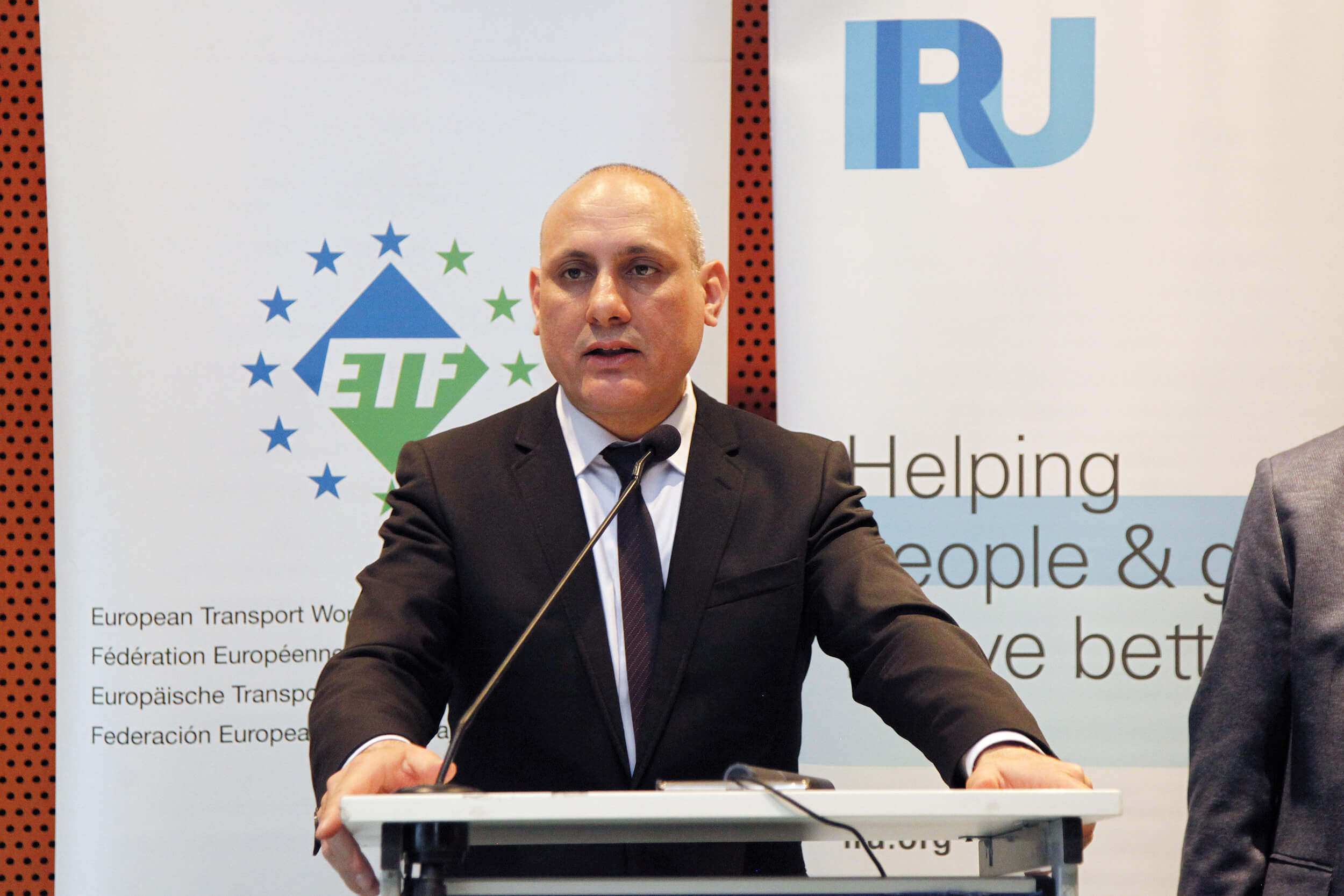
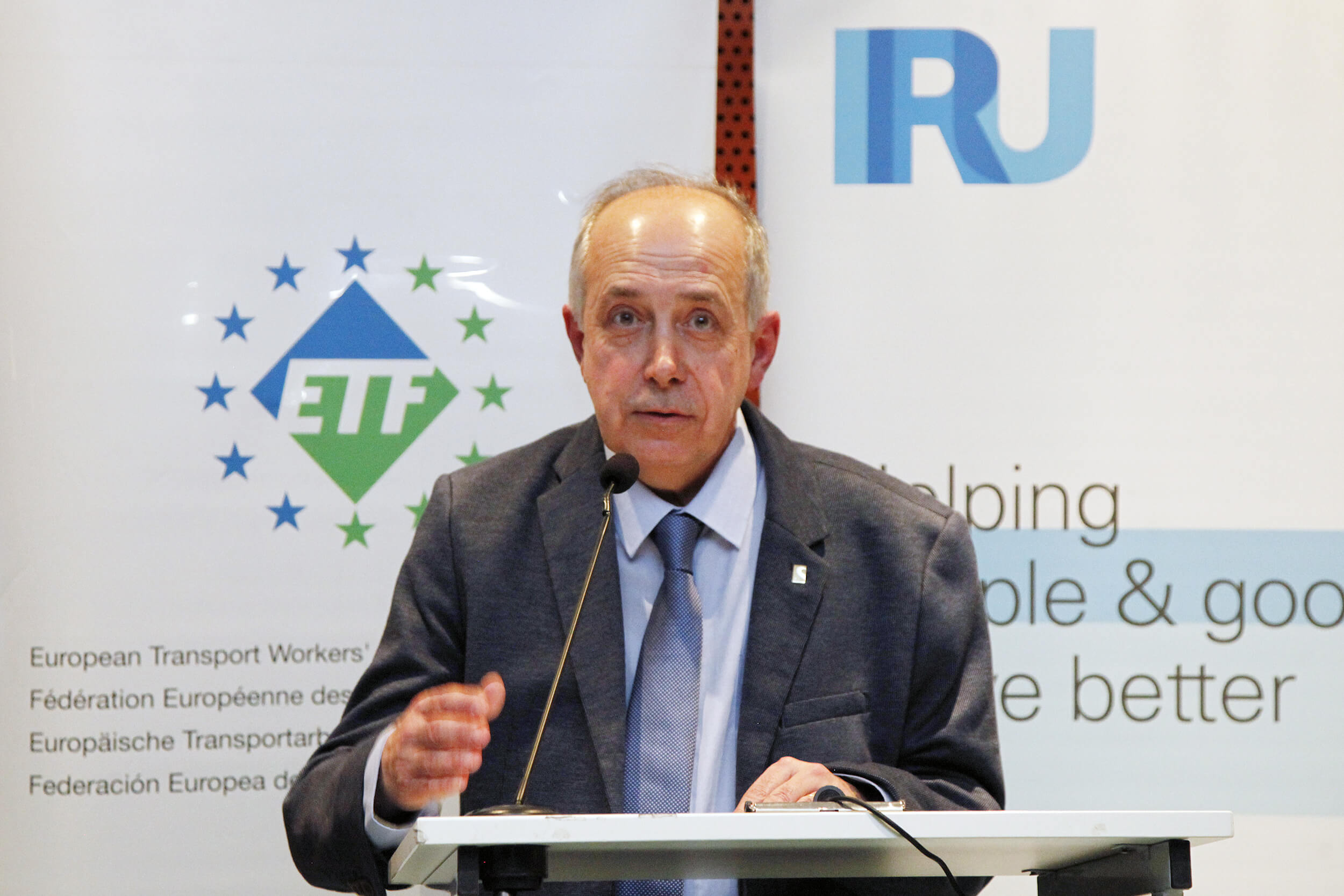
“We need a road transport system, in which safe and secure working conditions of drivers come first. A system in which we work together towards more environmentally friendly transport, better working conditions, and comfort at work. For these reasons, social dialogue is absolutely fundamental, and it is on this basis that the European Commission must invest further in social dialogue”, said the ETF’s Road Section President, Roberto Parrillo.
Financial support from the European Institutions must contribute to completing the core network of SSTPAs by the end of this legislature.
Regarding enforcement of road transport rules, the social partners also emphasised the clear need for targeted and intelligence-led enforcement which can be facilitated by the digitalisation of the EU’s entire road transport.
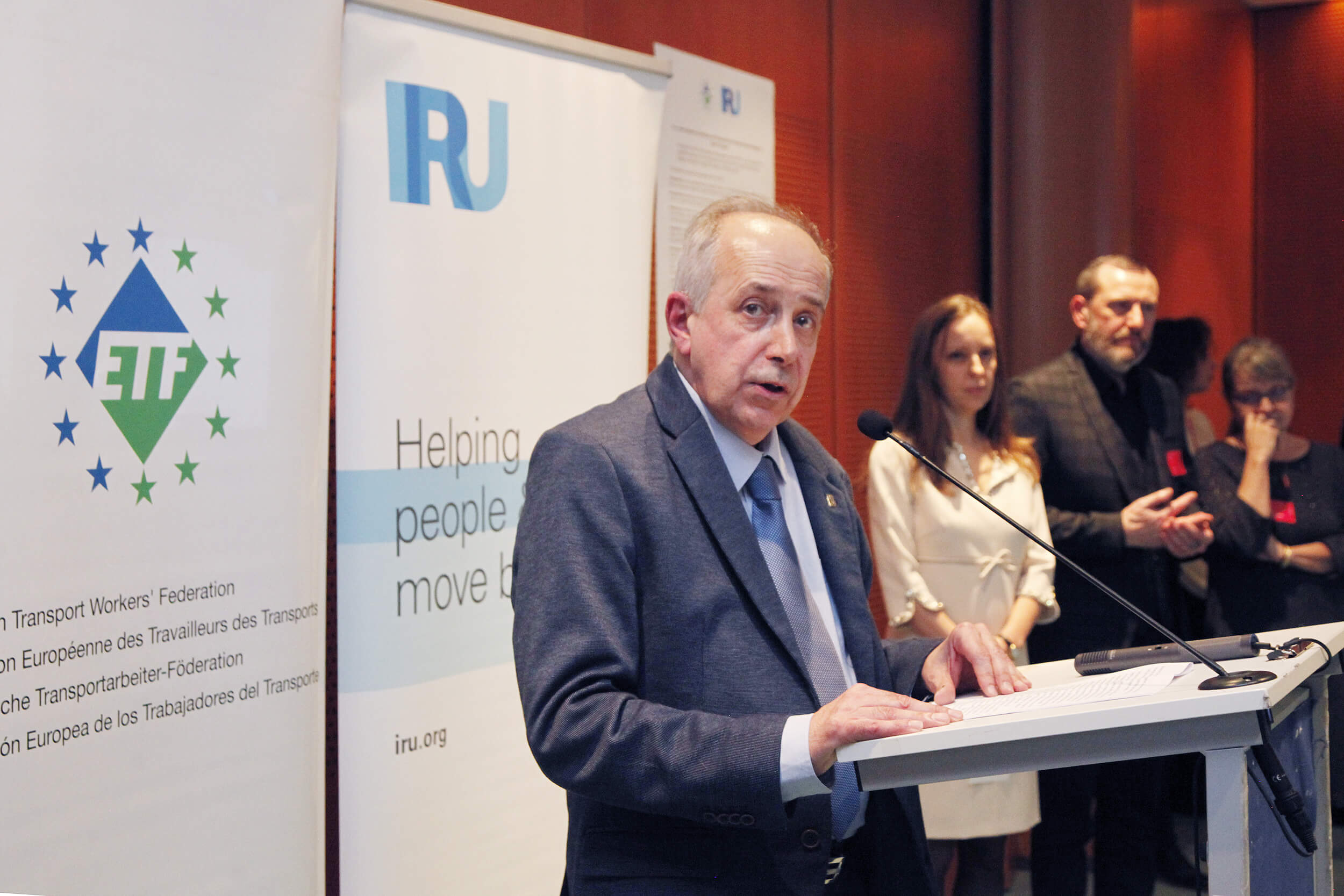
“The European Union is close to adopting new road transport rules grouped under the Mobility Package 1. Enforcement will be key in the upcoming years and without going digital the challenge will be enormous. We urge the European Commission to come up with a comprehensive strategy on digital enforcement,” said Raluca Marian, General Delegate of the IRU Permanent Delegation to the EU.
[ENDS]
You may download our joint declaration and joint statements at your right.
For more information and interviews please contact:
Begüm Boynukalin
Communications Officer, European Transport Workers’ Federation
b.boynukalin@etf-europe.org

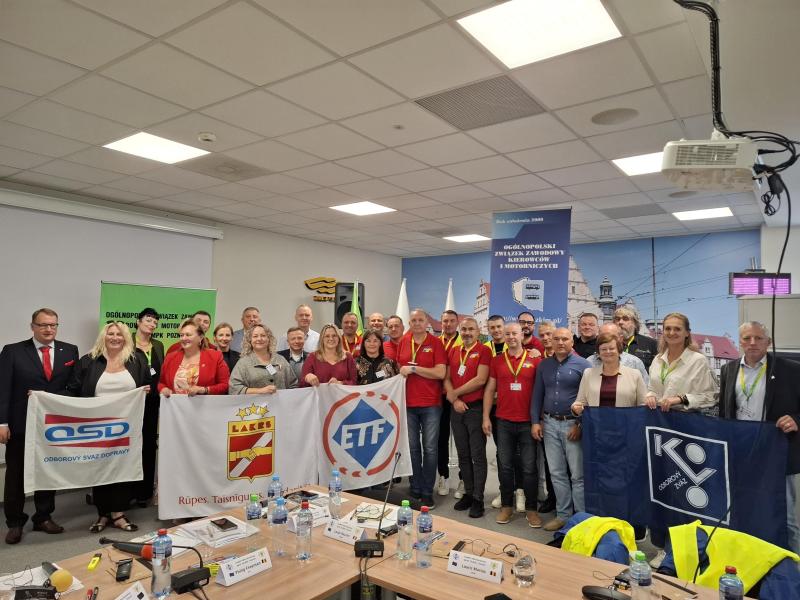
About the European Transport Workers’ Federation (ETF) embraces transport trade unions from the European Union, the European Economic Area, and Central and Eastern Europe. The ETF represents more than 5 million transport workers from more than 230 transport unions and 41 European countries.

About IRU
IRU is the world road transport organisation, promoting economic growth, prosperity and safety through the sustainable mobility of people and goods. Founded in 1948, IRU has members and activities in more than 100 countries. IRU conceived TIR in 1949 and continues to manage the system.