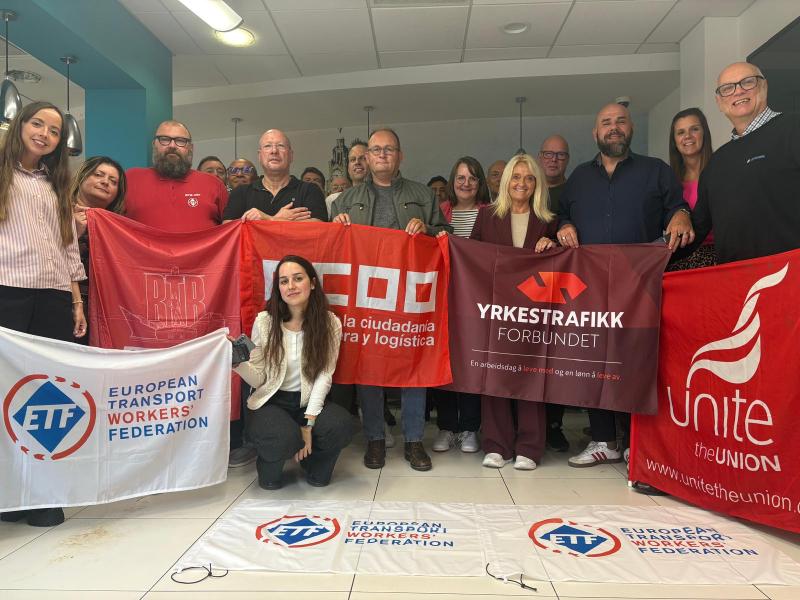
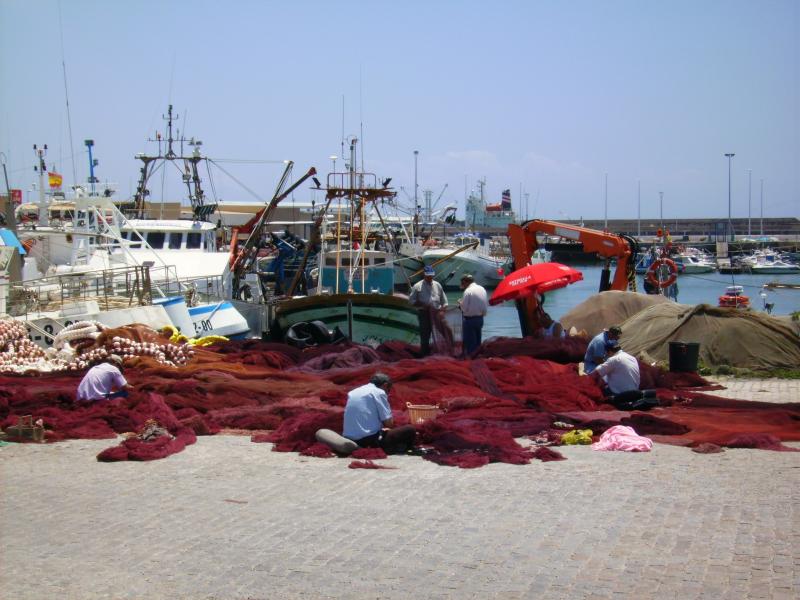
More than 70% of the seafood consumed in the EU is imported, while the European fishing sector is struggling to attract the next generation of workers. Addressing that challenge was at the heart of yesterday’s second Steering Committee meeting of the joint ETF-Europeche project Pillars of the Sea 4 in Rome.
The project supports the implementation of the EU Social Partners’ work programme and aims to strengthen the social dimension of the European fishing sector by making the profession safer, fairer, and more attractive—particularly for young people and women.
The initiative focuses on three key pillars:
Safer workplaces: Developing occupational health and safety (OSH) guidelines for submission to the International Labour Organization (ILO), helping to strengthen the implementation of the ILO Work in Fishing Convention (C188). The guidelines aim to contribute to a stronger safety culture in one of the world’s most hazardous professions and could serve as a global benchmark for improving fishers’ working conditions.
Sector attractiveness: Conducting qualitative research across several EU Member States to better understand why the fishing sector struggles to attract young workers and women. Through interviews with fishers, retired professionals, and those who have chosen not to enter the profession, the project will identify barriers, showcase good practices, and provide concrete policy recommendations to help secure the sector’s future.
Enforcement of minimum social standards: Preparing a legislative proposal to strengthen the control and enforcement of Directive 2017/159, which transposes key provisions of ILO Convention C188 into EU law. The project will assess how the Directive has been implemented across Member States, identify enforcement gaps, and propose measures to ensure better protection for fishers and more consistent application of social standards throughout the EU fleet.
A key highlight of the meeting was an interactive session with representatives from the Italian fisheries sector. Fishers, trade unionists, and cooperatives shared firsthand experiences, discussed the challenges facing coastal communities, and presented innovative initiatives to raise awareness of careers in fisheries and inspire a new generation to join the profession.
The discussions reinforced the importance of continued collaboration between social partners, industry stakeholders, and policymakers to build a more resilient, sustainable, and socially responsible European fisheries sector.