

The rise of green transport starts with the end of social and environmental dumping in the transport sector. At the ETF, we advocate for a comprehensive re-evaluation of transport policies, with particular attention to reviving rail freight services across Europe.
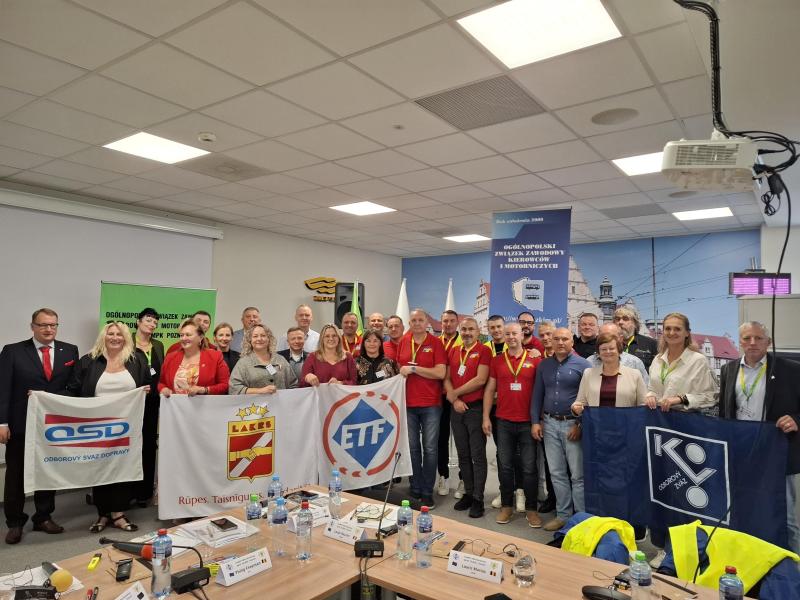
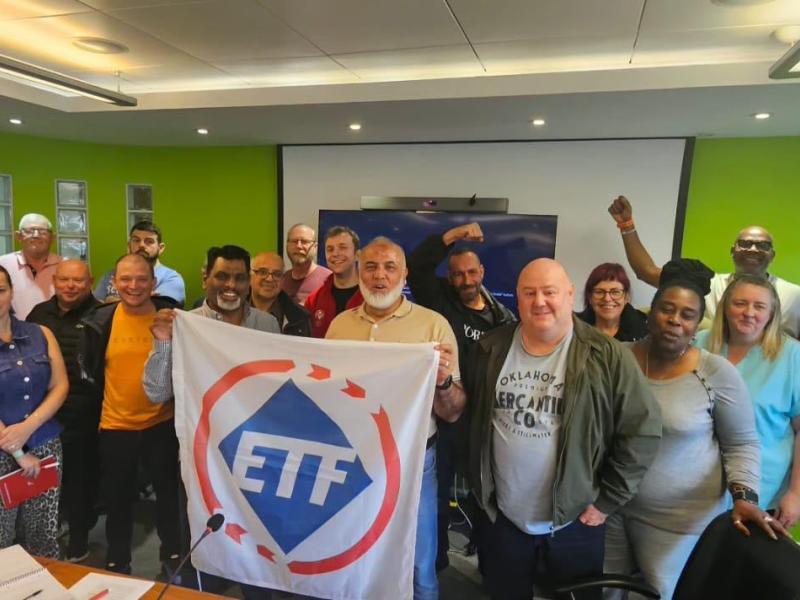
Given the recent EC investigations on state aid previously allocated to French public rail freight company SNCF Fret and German rail freight operator DB Cargo, the ETF affiliates in the railway sector held an emergency meeting last week to discuss the future of rail freight transport in Europe.
Today, the share of freight on rail in the EU is at an all-time low. However, France, Germany and Poland are doing best regarding rail share in freight. Paradoxically, the EU picks up on two of the three. If the Commission succeeds in its initiative, two of Europe’s biggest rail freight operators will be put on their knees; emerging private operators will nowhere near be able to cover the current volumes. Transferring business and freight from existing to new – potentially much smaller companies – will take months, and freight on the rail will be irremediably lost.
Participants at the rail emergency meeting pointed out that the time has come for a serious shift towards public investment in sustainable transport strategies to revive rail freight across Europe, thus ending over 30 years of rail freight decline following misguided transport policies due to liberalisation.
Therefore, at the end of the emergency meeting, ETF and our affiliates in the rail sector launched a word of warning: the European Commission needs to walk its way from ideology and green-washing to hands-on policies on getting rail freight going and growing.
Now it is more important than ever that rail freight is recognised as a service of public interest. Widely considered the most environmentally friendly mode of transport, rail freight plays a pivotal role in the future of transport: it serves our societies and economies by mitigating transportation’s environmental impact while reducing and preventing road congestion.
ETF rail unions also call on the EU policymakers to include comprehensive rail freight revival strategies in their plans for the next EU legislative period. These strategies should have a holistic freight transport view and address social and environmental challenges. By focusing on reviving rail freight, Europe can pave its way for a greener, more sustainable transport sector.