

The transport sector is facing an unprecedented crisis: fewer and fewer people are willing to work in the industry due to deteriorating working conditions and poor salaries.
European transport policies and legislation mainly focused on boosting competition have primarily contributed to this crisis. Now, it’s time for policymakers to put people first and solve the structural issues in transport.
At the invitation of the European Transport Workers’ Federation (ETF), EU Transport Commissioner Adina Vălean, and the European Parliament’s TRAN Committee coordinators – Marian-Jean Marinescu (EPP), Petar Vitanov (S&D), Ciarán Cuffe (Greens/EFA) and Elena Kountoura (The Left) – gathered last week in Brussels to debate on the “Future for Transport”.
The debate centred on the causes of and possible solutions to the structural issues facing transport and transport workers.
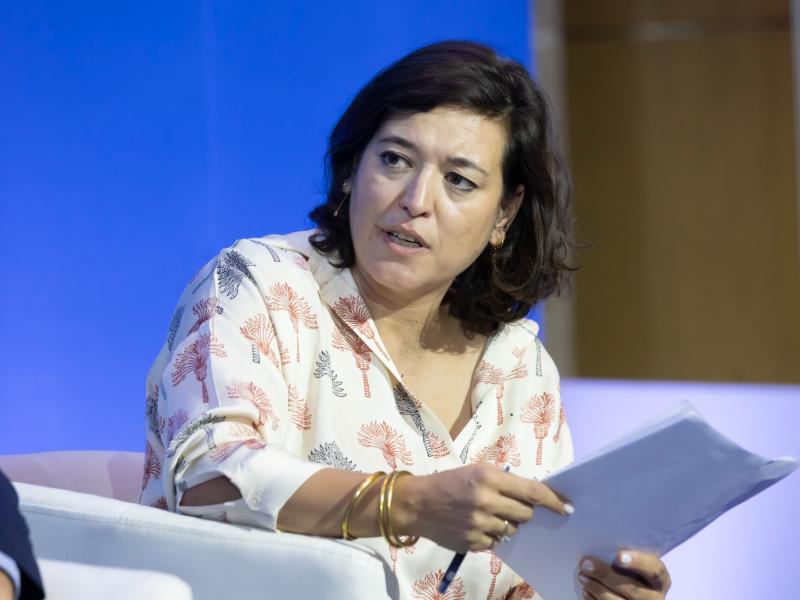
“Our objective is to launch a worker-centred discussion around the future of transport,” started ETF General Secretary Livia Spera.
“The endemic shortage of workers is a crisis that risks bringing the sector to a standstill ‘, the ETF General Secretary stated in her opening, addressing an audience of policymakers, transport attachés of the national permanent representations to the EU, representatives of employers’ associations and other transport stakeholders.
She added:
“The shortage started decades ago, and it is spreading all over transport. This trend, which is symptomatic of the bad state of the sector, also comes as the consequence of 30 years of EU policies aimed at liberalising the sector, which put competition at the centre of all political choices”.
A downward pressure on working conditions and pay, but also an increased threat of violence, make transport an unattractive sector unable to retain workers – particularly during and in the aftermath of COVID-19 and especially young workers and women. It is no surprise that transport is affected by an unprecedented wave of strikes all over Europe.
“This shows two things: there is uneasiness, and social dialogue is not working“, according to the ETF General Secretary.
At the end of the round table, ETF President Frank Moreels stated:
“There are very different views among policymakers. Shockingly, not everyone agrees at this event about the need to boost women’s employment in transport. But we also know that progressive forces are backing us to build a worker-centred and environmentally sustainable transport sector.
Our job, as trade unions, is to represent transport workers in Europe, and we’ll mobilise in view of the next EU elections. First, we want to shape the political agenda ahead of the polls, putting transport workers at its core. At the same time, we are committed to give our contribution to stop the growth of extreme right-wing parties in the EU“.
This roundtable discussion was just the first in a series of initiatives the ETF intends to take with a view to the European Parliament elections in 2024.
You can follow the roundtable discussions here: https://www.youtube.com/watch?v=C8WhIMYAWjM.